
Essential Weather Considerations for Outdoor Bonsai Care During Events
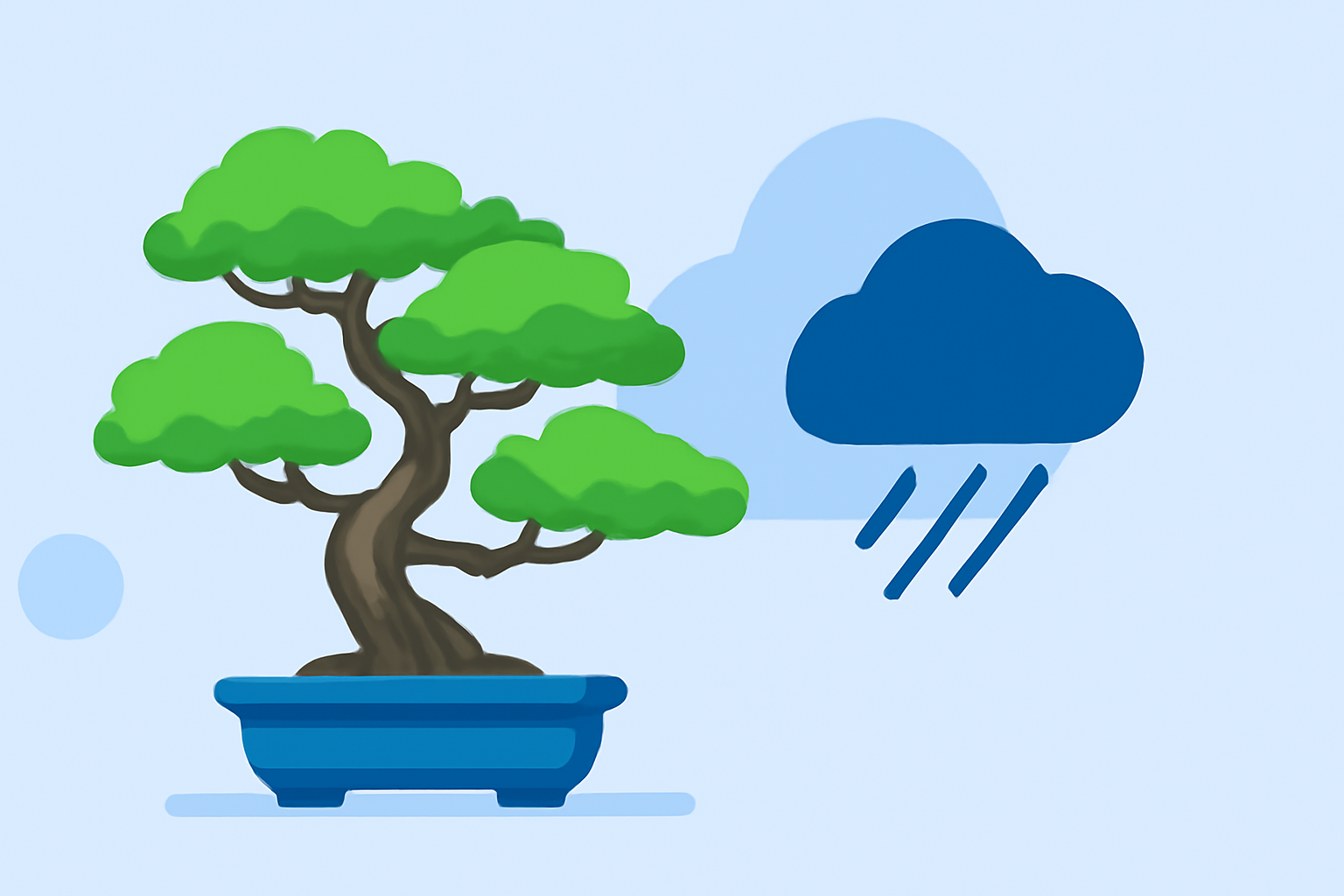
Caring for your bonsai during outdoor events requires careful attention to weather conditions to ensure the health and vitality of your tree. Understanding how various weather elements affect your bonsai can help you make informed decisions and provide optimal care.
How Does Temperature Affect Outdoor Bonsai?
Temperature plays a crucial role in the well-being of outdoor bonsai. Most outdoor bonsai species, such as maples and pines, thrive in temperate climates with distinct seasonal changes. These trees require a period of cold dormancy during winter to maintain health and vigor. In warmer months, they benefit from temperatures that are neither too hot nor too cold, as extreme heat can lead to dehydration and stress, while cold temperatures can cause damage to roots and foliage. Monitoring local temperature forecasts is essential to anticipate and mitigate potential temperature-related issues.
What Impact Does Humidity Have on Bonsai Health?
Humidity levels significantly influence bonsai health. In areas with low humidity, such as arid regions, bonsai trees may suffer from dehydration, leading to leaf curl and reduced growth. To combat low humidity, consider placing your bonsai on a humidity tray filled with water and rocks to elevate the plant above the water. Additionally, misting the tree and the surrounding environment can help increase local humidity levels. Conversely, high humidity can promote fungal diseases; ensuring good air circulation and avoiding waterlogging are key preventive measures.
How Do Wind and Rain Affect Outdoor Bonsai?
Wind and rain can both positively and negatively impact outdoor bonsai. Gentle breezes can strengthen trunks and branches, promoting sturdier growth. However, strong winds can cause physical damage, desiccate the soil, and increase transpiration rates, leading to dehydration. Providing windbreaks, such as placing your bonsai near a wall or behind a hedge, can offer protection. Heavy rain can saturate the soil, leading to root rot if drainage is inadequate. Ensure your bonsai is in a well-draining pot and consider moving it to a sheltered location during heavy downpours.
What Are the Best Practices for Bonsai Care During Outdoor Events?
-
Placement: Position your bonsai in a location that receives appropriate sunlight for its species, typically morning sun with afternoon shade. Avoid areas with reflected heat or strong winds.
-
Watering: Regularly check soil moisture, especially during hot or windy conditions. Water thoroughly when the top inch of soil feels dry, ensuring water drains from the bottom of the pot.
-
Protection: During extreme weather events, such as heavy rain or strong winds, move your bonsai to a sheltered area or provide temporary cover to protect it from potential damage.
-
Monitoring: Keep a close eye on your bonsai for signs of stress, such as wilting, yellowing leaves, or leaf drop, and address issues promptly.
How Can Clime Enhance Your Bonsai Care During Outdoor Events?
Clime offers real-time weather updates and forecasts tailored to your specific location, enabling you to make informed decisions about your bonsai's care during outdoor events. By integrating Clime's weather insights, you can anticipate weather changes and take proactive measures to protect your bonsai, ensuring its health and longevity.
By understanding and anticipating weather conditions, you can provide optimal care for your outdoor bonsai during events, ensuring its health and vitality.