
Essential Weather Considerations for Outdoor Cycling
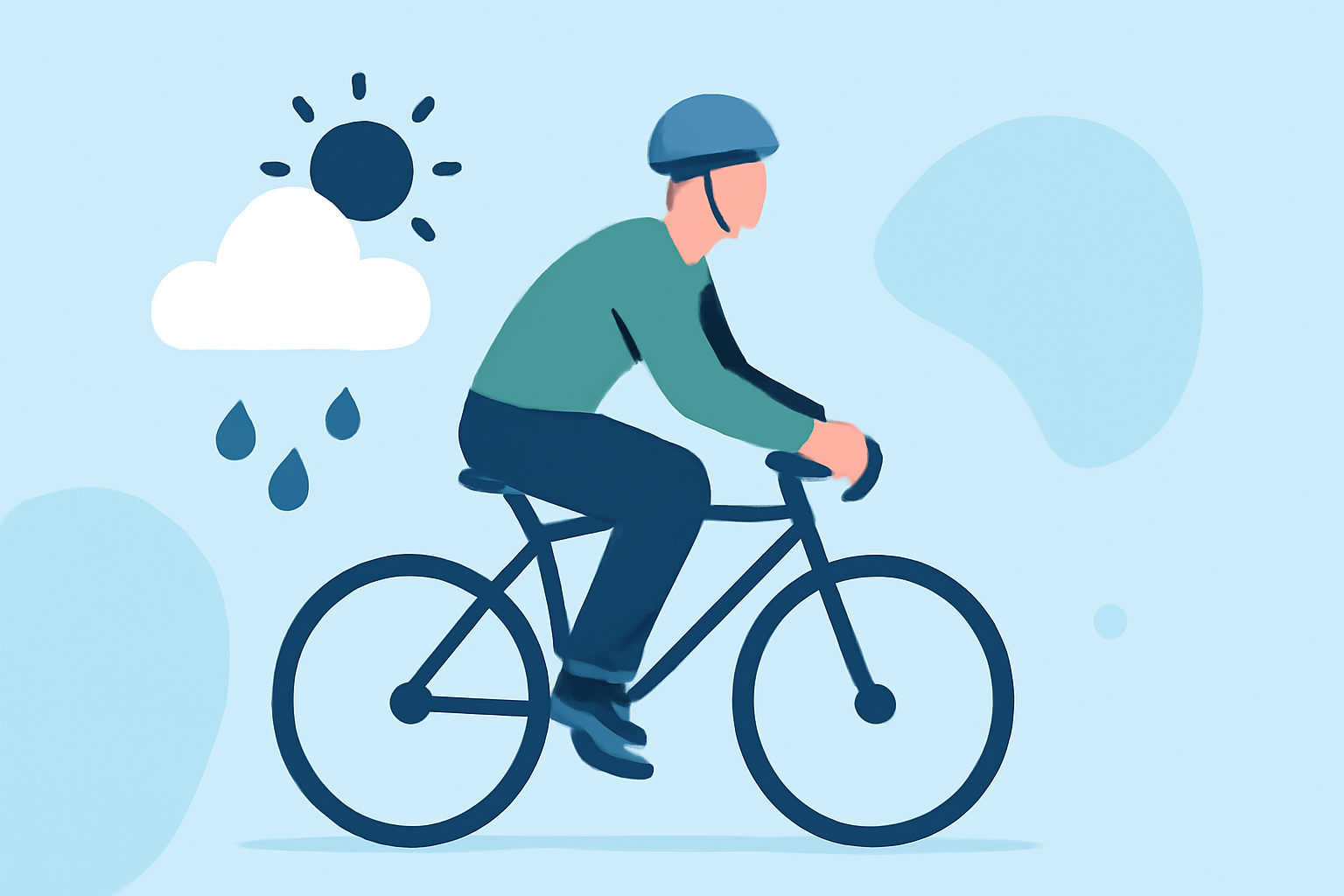
Cycling outdoors offers a refreshing way to stay fit and explore new terrains. However, the experience can be significantly influenced by weather conditions. Proper preparation ensures safety, comfort, and an enjoyable ride.
Understanding Weather Impacts on Cycling
Weather conditions can affect cycling in several ways:
- Temperature: Extreme heat or cold can impact performance and safety.
- Precipitation: Rain or snow can make surfaces slippery and reduce visibility.
- Wind: Strong winds can increase fatigue and affect bike handling.
- Humidity: High humidity levels can lead to discomfort and dehydration.
Pre-Ride Weather Assessment
Before heading out, assess the weather to make informed decisions:
- Check Local Forecasts: Use reliable sources to get accurate weather predictions for your area.
- Monitor Real-Time Conditions: Utilize weather apps or websites for up-to-date information.
- Understand Weather Risks: Be aware of potential hazards like thunderstorms, high winds, or extreme temperatures.
Adapting Gear and Clothing to Weather Conditions
Selecting appropriate gear and clothing is crucial:
-
Hot Weather (Above 85°F/29°C):
-
Wear lightweight, moisture-wicking fabrics.
-
Use light-colored clothing to reflect sunlight.
-
Apply sunscreen to exposed skin.
-
Stay hydrated with water or electrolyte drinks.
-
Cold Weather (Below 50°F/10°C):
-
Layer clothing to adjust to changing temperatures.
-
Use thermal base layers and insulated outer layers.
-
Protect extremities with gloves, thermal socks, and a hat or balaclava.
-
Rainy Conditions:
-
Wear waterproof jackets and pants.
-
Use fenders to prevent water splashes.
-
Opt for waterproof footwear or shoe covers.
-
Windy Conditions:
-
Wear windproof jackets or vests.
-
Secure loose clothing to prevent drag.
-
Choose aerodynamic gear to reduce wind resistance.
Essential Gear for All Weather Conditions
Regardless of the weather, certain items are indispensable:
- Helmet: Always wear a properly fitted helmet for safety.
- Hydration System: Carry water or electrolyte drinks to stay hydrated.
- Repair Kit: Include spare tubes, tire levers, and a pump for emergencies.
- Lights and Reflective Gear: Enhance visibility, especially in low-light conditions.
- Sunscreen: Protect exposed skin from UV rays.
Post-Ride Considerations
After your ride, take steps to care for yourself and your equipment:
- Hydration: Replenish fluids lost during the ride.
- Nutrition: Consume a balanced meal to aid recovery.
- Bike Maintenance: Clean and inspect your bike, especially after riding in wet or muddy conditions.
Leveraging Technology for Weather Monitoring
Utilizing weather apps and devices can provide real-time updates and alerts, helping you make timely decisions about your ride.
Conclusion
By understanding and preparing for various weather conditions, cyclists can ensure safer and more enjoyable rides. Always prioritize safety by staying informed and equipped for the elements.
(rei.com)