
Essential Weather Considerations for Outdoor Meditation
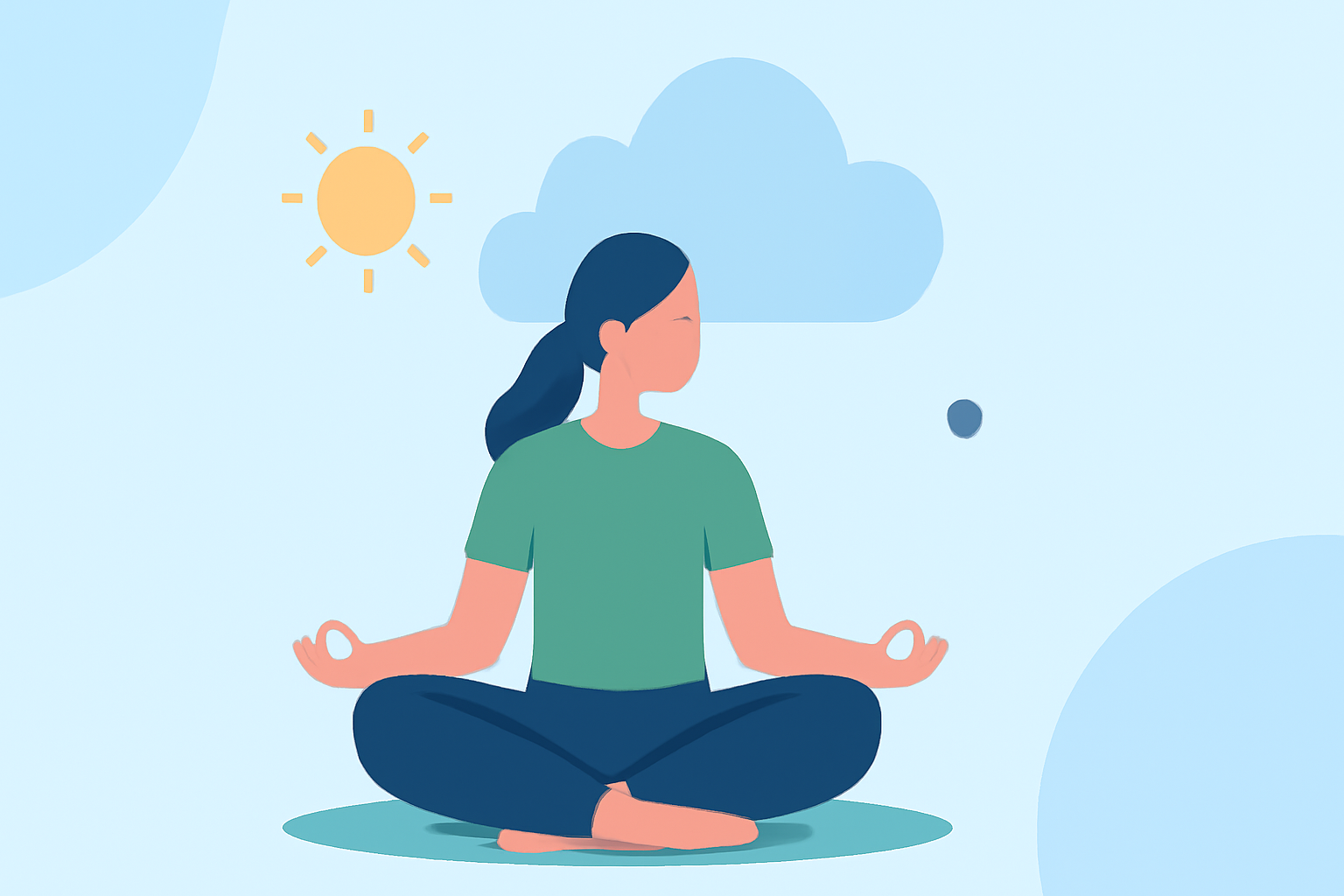
Practicing meditation outdoors offers a unique opportunity to connect with nature and enhance mindfulness. However, understanding and preparing for various weather conditions is crucial to ensure a safe and comfortable experience.
1. How Does Temperature Affect Outdoor Meditation?
Temperature plays a significant role in your meditation comfort. Ideal conditions typically include mild temperatures, gentle breezes, and clear skies. Extreme temperatures can lead to discomfort or health risks. For instance, in Los Angeles, CA, on June 17, 2023, the temperature ranged from 17.2°C to 26.1°C (63°F to 79°F), providing a comfortable environment for outdoor activities. (calm.com)
2. What Are the Implications of Humidity and Wind?
High humidity can make the environment feel warmer and may lead to quicker fatigue. Conversely, low humidity can cause dry skin and discomfort. Wind can introduce distractions and affect the stability of your meditation posture. It's advisable to choose a sheltered spot to minimize wind impact. (realitypathing.com)
3. How Should I Prepare for Rain and Other Precipitation?
Light rain can offer a refreshing ambiance, but heavy rain poses risks such as slippery surfaces and potential lightning. Always check the weather forecast before heading out. If rain is expected, consider rescheduling or finding a sheltered location. (weather.gov)
4. What Are the Risks of High UV Exposure?
Extended exposure to high UV levels can lead to sunburn and increase the risk of skin cancer. It's essential to wear appropriate sun protection, such as sunscreen, hats, and UV-protective clothing. Additionally, seek shaded areas during peak sun hours to minimize exposure. (realitypathing.com)
5. How Can I Adapt to Windy Conditions?
Wind can disrupt your meditation focus and physical stability. To mitigate this, choose a location that offers some protection from strong gusts. Avoid poses that require balance if the wind is too strong. (realitypathing.com)
6. What Are the Best Times of Day for Outdoor Meditation?
Early mornings and late afternoons often provide cooler temperatures and softer lighting, creating an ideal environment for meditation. These times also tend to be quieter, reducing potential distractions. (ungloo.com)
7. How Can I Create a Comfortable Outdoor Meditation Space?
Selecting a quiet, comfortable spot is essential. Ensure the area is free from disturbances and has a stable surface for sitting. Incorporate elements like shade, comfortable seating, and perhaps some greenery to enhance the ambiance. (blog.alomoves.com)
8. What Should I Wear for Outdoor Meditation?
Dress appropriately for the weather conditions. In warmer climates, opt for light, breathable clothing, while in cooler temperatures, layer up to maintain warmth. Always wear comfortable attire that allows for free movement and relaxation. (ungloo.com)
9. How Can I Stay Safe During Outdoor Meditation?
Always inform someone about your meditation plans and location. Carry a mobile phone for emergencies and be aware of your surroundings. Avoid areas with potential hazards, such as unstable ground or proximity to water bodies. (weather.gov)
By considering these weather-related factors and preparing accordingly, you can enhance your outdoor meditation experience, ensuring it is both safe and enriching.