
Essential Weather Considerations for Outdoor Meditation
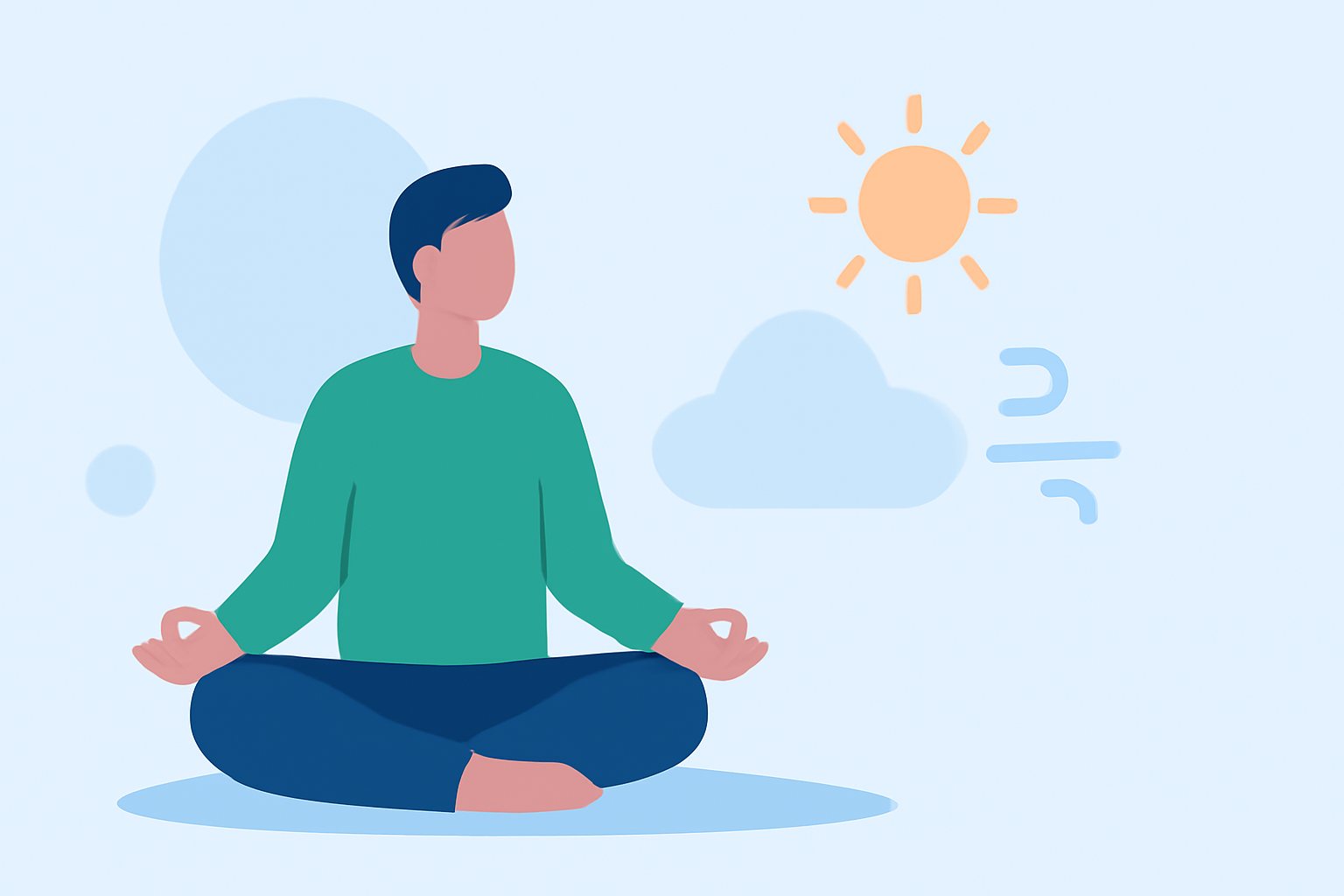
Practicing meditation outdoors offers a unique opportunity to connect with nature and enhance mindfulness. However, understanding and preparing for various weather conditions is crucial to ensure a comfortable and effective session.
1. How Does Temperature Affect Outdoor Meditation?
Temperature plays a significant role in your meditation experience. Extreme heat can lead to discomfort and dehydration, while cold temperatures may cause muscle stiffness and distraction. Aim for mild temperatures to maintain focus and relaxation. Dressing in layers allows you to adjust to changing conditions, ensuring comfort throughout your practice. (ungloo.com)
2. What Impact Does Humidity Have on Meditation Sessions?
High humidity levels can make the air feel warmer and more oppressive, potentially leading to fatigue and discomfort. Conversely, low humidity can cause dryness in the air, affecting your respiratory comfort. Monitoring humidity levels helps in planning your meditation time and attire to maintain a comfortable environment. (tool.teamzlab.com)
3. How Do Wind Conditions Influence Outdoor Meditation?
Wind can introduce noise and physical discomfort, making it challenging to maintain focus. Strong winds may also pose safety risks, especially in areas with loose debris or tall trees. Opt for sheltered locations or practice during calmer periods to minimize these distractions. (realitypathing.com)
4. What Are the Considerations for Rain and Precipitation?
Light rain can create a soothing ambiance, but heavy rain poses risks such as slippery surfaces and potential lightning. Always check the weather forecast before heading out and have a backup plan in case of adverse conditions. (weather.gov)
5. How Does Sun Exposure Affect Outdoor Meditation?
Prolonged sun exposure increases the risk of sunburn and heat-related illnesses. Choose shaded areas or practice during cooler parts of the day, such as early morning or late afternoon. Applying sunscreen and wearing protective clothing are essential precautions. (oneindia.com)
6. What Are the Best Times of Day for Outdoor Meditation?
Early mornings often provide cooler temperatures and a tranquil environment, ideal for meditation. Late afternoons also offer a peaceful setting as the day winds down. Avoid midday when temperatures and sun exposure are typically at their peak. (ungloo.com)
7. How Can I Prepare for Unpredictable Weather During Meditation?
Always check the weather forecast before your session and have a contingency plan. Dressing in layers and bringing waterproof gear can help you adapt to sudden changes. Being prepared ensures that unexpected weather doesn't disrupt your practice. (weather.gov)
By considering these weather-related factors, you can create a more comfortable and effective outdoor meditation experience. Remember, the goal is to harmonize with nature, allowing its elements to enhance your mindfulness practice.