
Weather Considerations for Outdoor Meditation: A Guide for Athletes
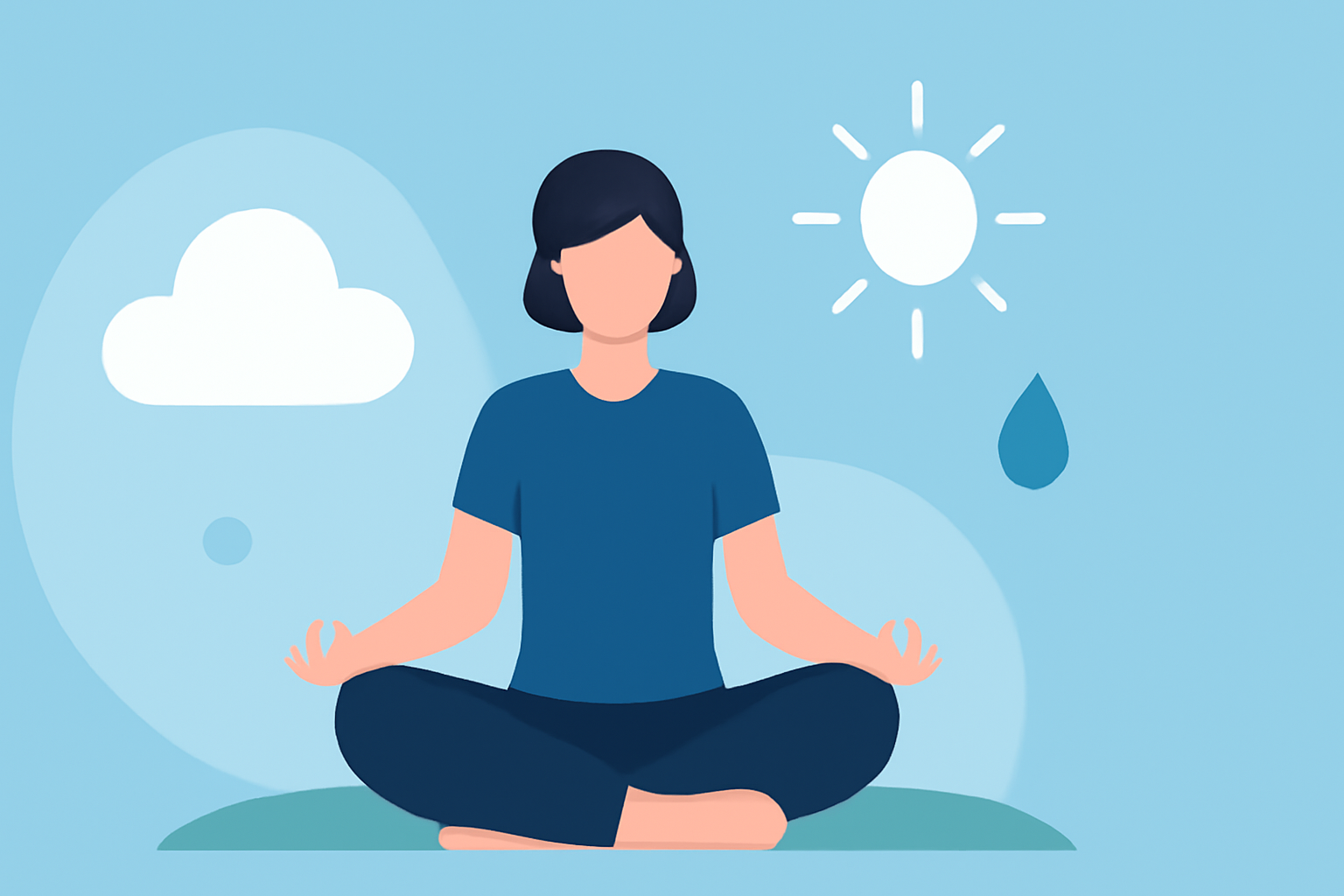
Outdoor meditation offers athletes a unique opportunity to enhance mindfulness and performance by connecting with nature. However, weather conditions play a crucial role in the effectiveness and safety of these sessions.
How Do Weather Conditions Affect Outdoor Meditation?
Weather influences various aspects of outdoor meditation, including comfort, safety, and the overall experience. Understanding these factors can help athletes make informed decisions about when and where to meditate outdoors.
What Are the Ideal Weather Conditions for Outdoor Meditation?
The optimal conditions for outdoor meditation typically include:
-
Temperature: Mild temperatures, generally between 60°F and 75°F (15°C to 24°C), are ideal. Extreme heat or cold can hinder relaxation and increase the risk of discomfort or injury.
-
Humidity: Moderate humidity levels are preferable. High humidity can lead to overheating, while low humidity may cause dehydration.
-
Wind: Light to moderate winds can enhance the meditation experience by providing a soothing natural sound. Strong winds, however, can be distracting and may pose safety risks.
-
Precipitation: Clear skies or light cloud cover are best. Rain or snow can disrupt meditation and create unsafe conditions.
How Can Athletes Prepare for Outdoor Meditation in Various Weather Conditions?
Preparation is key to ensuring a safe and effective outdoor meditation session. Here are some strategies tailored for different weather scenarios:
-
Hot Weather:
-
Timing: Meditate during cooler parts of the day, such as early morning or late evening.
-
Clothing: Wear light, breathable fabrics to facilitate air circulation and sweat evaporation.
-
Hydration: Stay well-hydrated before, during, and after meditation to prevent dehydration.
-
Shade: Seek shaded areas to reduce direct sun exposure and lower the risk of heat-related illnesses.
-
Cold Weather:
-
Layering: Dress in layers to adjust clothing as needed and maintain comfort.
-
Warmth: Focus on keeping extremities warm by wearing gloves, hats, and insulated footwear.
-
Surface: Choose sheltered spots to minimize wind exposure and reduce the chill factor.
-
Windy Conditions:
-
Shelter: Select locations that offer natural windbreaks, such as areas with trees or buildings.
-
Clothing: Wear wind-resistant outer layers to protect against wind chill.
-
Focus: Use the sound of the wind as a focal point to enhance mindfulness.
-
Rainy Conditions:
-
Cover: Use waterproof gear or seek shelter under trees or structures to stay dry.
-
Footwear: Opt for waterproof shoes to keep feet dry and prevent slipping.
-
Mindfulness: Embrace the sound and smell of rain to deepen the sensory experience.
How Can Clime Enhance Your Outdoor Meditation Experience?
Clime offers a comprehensive solution for athletes seeking to optimize their outdoor meditation sessions. By providing real-time weather updates, Clime enables users to plan their meditation times effectively, ensuring they choose conditions that align with their comfort and safety preferences. Additionally, Clime's detailed forecasts assist in selecting appropriate clothing and gear, enhancing the overall meditation experience.
What Are Some Tips for Meditating Outdoors?
-
Choose the Right Time: Early morning or late evening sessions often provide cooler temperatures and reduced wind, creating a more comfortable environment for meditation.
-
Select a Suitable Location: Opt for quiet, peaceful spots with minimal distractions. Natural settings like parks or gardens can enhance the meditation experience.
-
Use Appropriate Gear: Depending on the weather, use items like cooling towels, sun protection, or insulated mats to maintain comfort and focus.
-
Stay Present: Use the natural sounds and sensations around you to anchor your attention and deepen your mindfulness practice.
By considering these factors and utilizing tools like Clime, athletes can create a safe and enriching outdoor meditation practice that complements their training and promotes overall well-being.