
Weather Considerations for Outdoor Meditation: A Traveler's Guide
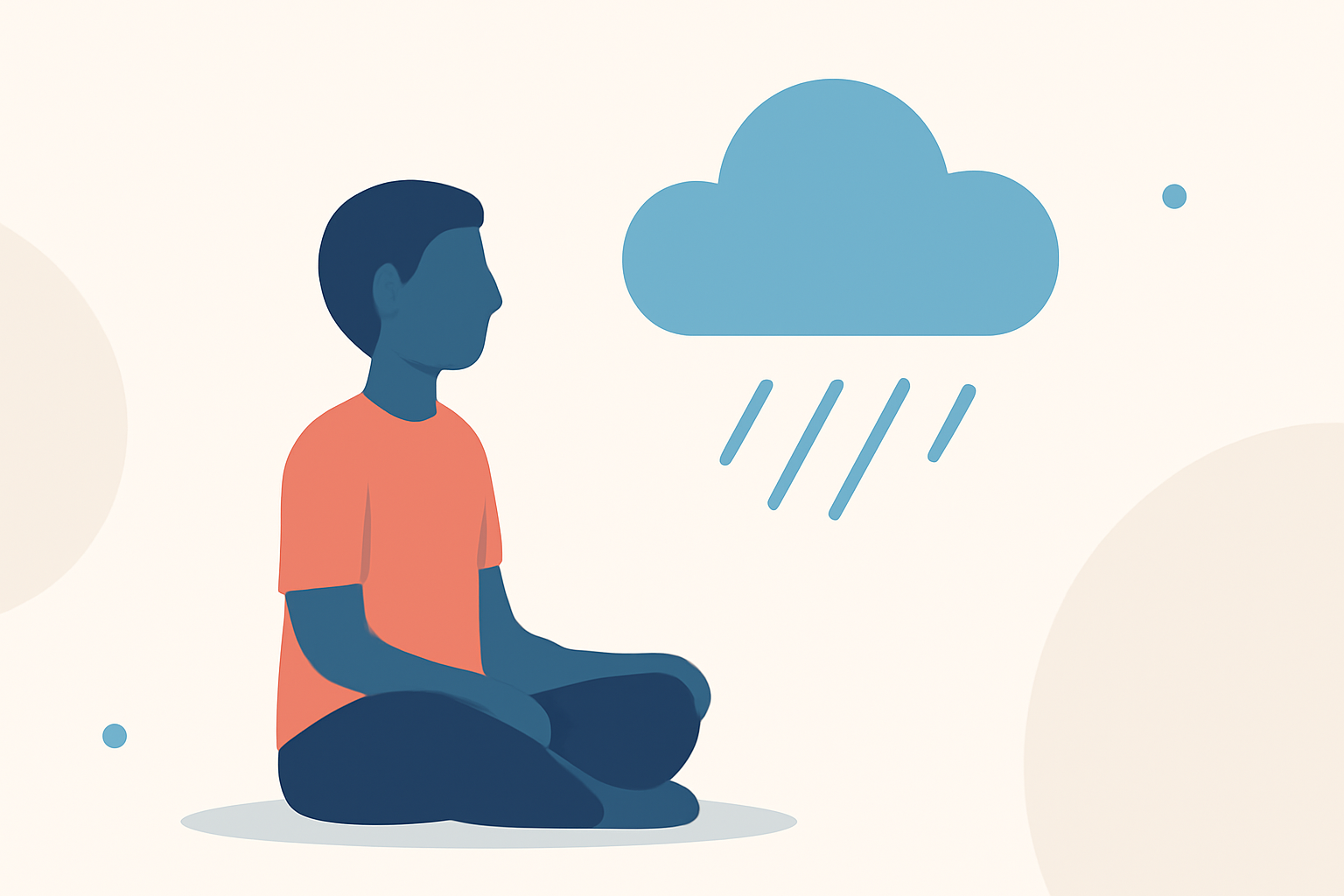
Outdoor meditation offers a unique opportunity to connect with nature, enhancing mindfulness and well-being. However, weather conditions can significantly impact the safety and effectiveness of your practice. This guide provides essential tips for travelers to meditate outdoors safely, considering various weather scenarios and how Clime's features can assist in planning.
Why Consider Weather Conditions for Outdoor Meditation?
Weather plays a crucial role in outdoor activities, including meditation. Extreme temperatures, precipitation, and other weather phenomena can pose risks such as dehydration, hypothermia, or heatstroke. Being aware of these conditions ensures a safe and comfortable meditation experience.
How Can Clime Assist in Planning Outdoor Meditation?
Clime offers real-time weather updates, forecasts, and alerts, enabling travelers to plan their outdoor meditation sessions effectively. By providing accurate and timely information, Clime helps users make informed decisions about the best times and locations for outdoor activities.
What Are the Key Weather Considerations for Outdoor Meditation?
- Temperature Extremes:
- Cold Weather: Meditating in cold conditions can lead to discomfort or hypothermia. It's advisable to check Clime for current temperatures and dress in layers to adjust as needed.
- Hot Weather: High temperatures increase the risk of heat-related illnesses. Clime's heat index feature can help assess the risk level.
- Precipitation:
- Rain: Wet conditions can make outdoor meditation uncomfortable and increase the risk of slipping. Clime's precipitation forecasts can help you choose dry days for your practice.
- Snow: Snow can create serene environments but also presents challenges like cold temperatures and slippery surfaces. Clime's snow forecasts can assist in planning accordingly.
- Wind:
- Strong Winds: High winds can be distracting and pose safety risks. Clime's wind speed and direction data can help identify calm days suitable for meditation.
- Sun Exposure:
- UV Index: High UV levels can lead to sunburn and heat-related illnesses. Clime provides UV index information to help you plan sessions during safer times of the day.
How Can Travelers Prepare for Outdoor Meditation?
- Monitor Weather Forecasts: Regularly check Clime for updates on temperature, precipitation, wind, and UV index to plan your meditation sessions.
- Choose Appropriate Clothing: Dress in layers for cold weather and wear light, breathable fabrics in hot conditions.
- Select Safe Locations: Opt for areas with natural shelter from wind and sun, and ensure the ground is stable and free from hazards.
- Stay Hydrated: Always carry water to prevent dehydration, especially in hot weather.
- Be Aware of Local Wildlife: Research the area for potential wildlife encounters and take necessary precautions.
What Are the Benefits of Outdoor Meditation?
Practicing meditation outdoors can enhance mindfulness, reduce stress, and improve mood. The natural environment provides a serene backdrop that can deepen your meditation experience. Additionally, exposure to nature has been linked to increased attention and creativity. (calm.com)
Conclusion
Outdoor meditation is a rewarding practice that connects you with nature and enhances mindfulness. By considering weather conditions and utilizing Clime's features, travelers can ensure a safe and enriching meditation experience.