
Essential Weather Considerations for Outdoor Pilates Sessions
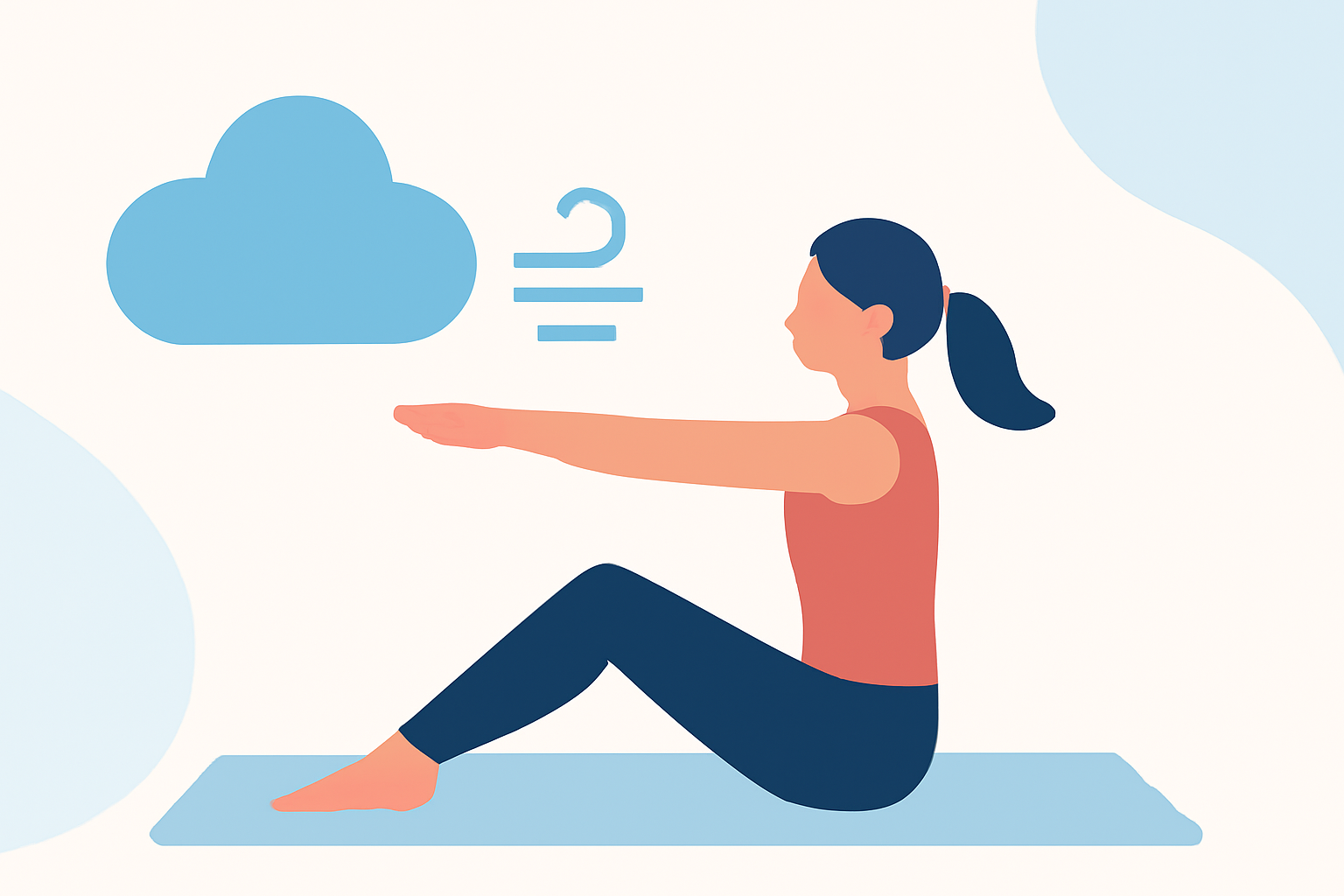
Practicing Pilates outdoors offers a refreshing change from indoor routines, allowing you to connect with nature and enjoy fresh air. However, to ensure safety and maximize the benefits of your outdoor sessions, it's crucial to consider various weather-related factors. This guide provides essential insights to help you prepare effectively for outdoor Pilates, regardless of the conditions.
1. How Does Temperature Affect Outdoor Pilates?
Temperature plays a significant role in your comfort and safety during outdoor Pilates. Both extreme heat and cold can pose challenges:
-
Heat Considerations:
-
Heat Index: The heat index combines air temperature and humidity to indicate the perceived temperature. A higher heat index means it feels hotter than the actual air temperature. For instance, a temperature of 90°F with high humidity can feel like 105°F. It's advisable to exercise caution when the heat index exceeds 90°F, as heat-related illnesses become more likely. (verywellfit.com)
-
Hydration: Staying hydrated is paramount. Drink water before, during, and after your session to prevent dehydration. In hot conditions, consider beverages with electrolytes to replenish lost salts. (chaisefitness.com)
-
Clothing: Opt for light-colored, breathable clothing to help regulate body temperature and reduce heat absorption. (chaisefitness.com)
-
Cold Considerations:
-
Wind Chill: Wind can make the air feel colder than the actual temperature, increasing the risk of hypothermia. Dressing in layers allows you to adjust your clothing as needed. (weather.com)
-
Warm-Up: A thorough warm-up is essential in cold weather to prepare your muscles and joints for activity, reducing the risk of injury. (weather.com)
2. What Are the Risks of Precipitation During Outdoor Pilates?
Precipitation, including rain, snow, or sleet, can create slippery surfaces and reduce visibility:
-
Rain: Wet conditions can make mats slippery, increasing the risk of falls. If you choose to practice in the rain, ensure your mat has a non-slip surface and consider using a towel underneath for added traction. (exercisepick.com)
-
Snow and Ice: These conditions are generally not recommended for outdoor Pilates due to the heightened risk of slips and falls. It's safer to move your practice indoors during snowy or icy weather. (exercisepick.com)
3. How Does Wind Impact Outdoor Pilates Sessions?
Wind can affect your Pilates practice in several ways:
-
Stability: Strong winds can make balancing exercises more challenging. Choose a sheltered location to minimize wind exposure. (exercisepick.com)
-
Equipment: Wind can cause mats and other equipment to shift or blow away. Using a weighted blanket or securing your mat with heavy objects can help keep it in place. (absolutepilates.co)
4. What Are the Guidelines for Air Quality During Outdoor Pilates?
Air quality is a crucial factor in determining whether it's safe to exercise outdoors:
-
Air Quality Index (AQI): The AQI measures the level of pollutants in the air. An AQI above 100 indicates unhealthy air quality, and it's advisable to avoid intense exercise when the AQI exceeds this threshold. (thehealthyhabithub.life)
-
Pollution Levels: In areas with high pollution, consider moving your Pilates practice indoors to reduce exposure to harmful pollutants. (thehealthyhabithub.life)
5. How Can I Prepare for Sudden Weather Changes During Outdoor Pilates?
Weather conditions can change unexpectedly, so it's essential to be prepared:
-
Monitor Forecasts: Regularly check local weather forecasts before heading out to anticipate any changes. (weather.com)
-
Emergency Plan: Have a plan in place for seeking shelter if severe weather conditions arise during your session. (ue.org)
-
Appropriate Gear: Carry essentials such as a rain jacket, extra layers, or a portable shelter to protect yourself from sudden weather changes. (weather.com)
6. How Can I Create an Optimal Outdoor Pilates Environment?
Setting up a suitable environment enhances your outdoor Pilates experience:
-
Surface Selection: Choose a stable, flat surface to prevent strain on your joints. Avoid uneven grass or hard concrete; instead, opt for smooth patio pavers or cushioned interlocking gym tiles designed for outdoor use. (absolutepilates.co)
-
Shade and Shelter: Ensure access to shade or shelter to protect against sun exposure and sudden weather changes. (absolutepilates.co)
-
Equipment Maintenance: Keep your equipment clean and in good condition. After each session, clean your mat and store it properly to prolong its lifespan. (absolutepilates.co)
7. How Does Clime Enhance Outdoor Pilates Sessions?
Clime offers real-time weather updates and forecasts, allowing you to plan your outdoor Pilates sessions with confidence. By providing accurate and timely information, Clime helps you make informed decisions about when and where to practice, ensuring safety and optimal conditions for your workouts.
Conclusion
Engaging in outdoor Pilates can be both invigorating and beneficial, offering a unique connection to nature. By considering the weather-related factors outlined above and utilizing tools like Clime for accurate weather information, you can ensure a safe and enjoyable outdoor Pilates experience. Always prioritize safety by staying informed about weather conditions and making necessary adjustments to your practice as needed.
Highlights:
- How To Stay Safe And Fit No Matter The Weather | Weather.com, Published on Sunday, January 26
- 12 Rules for Staying Safe During Outdoor Workouts, Published on Tuesday, April 28
- Severe Weather at Outdoor Athletic Events | United Educators