
Weather Essentials for Growing Orchids Successfully
Last updated: 2023-09-12
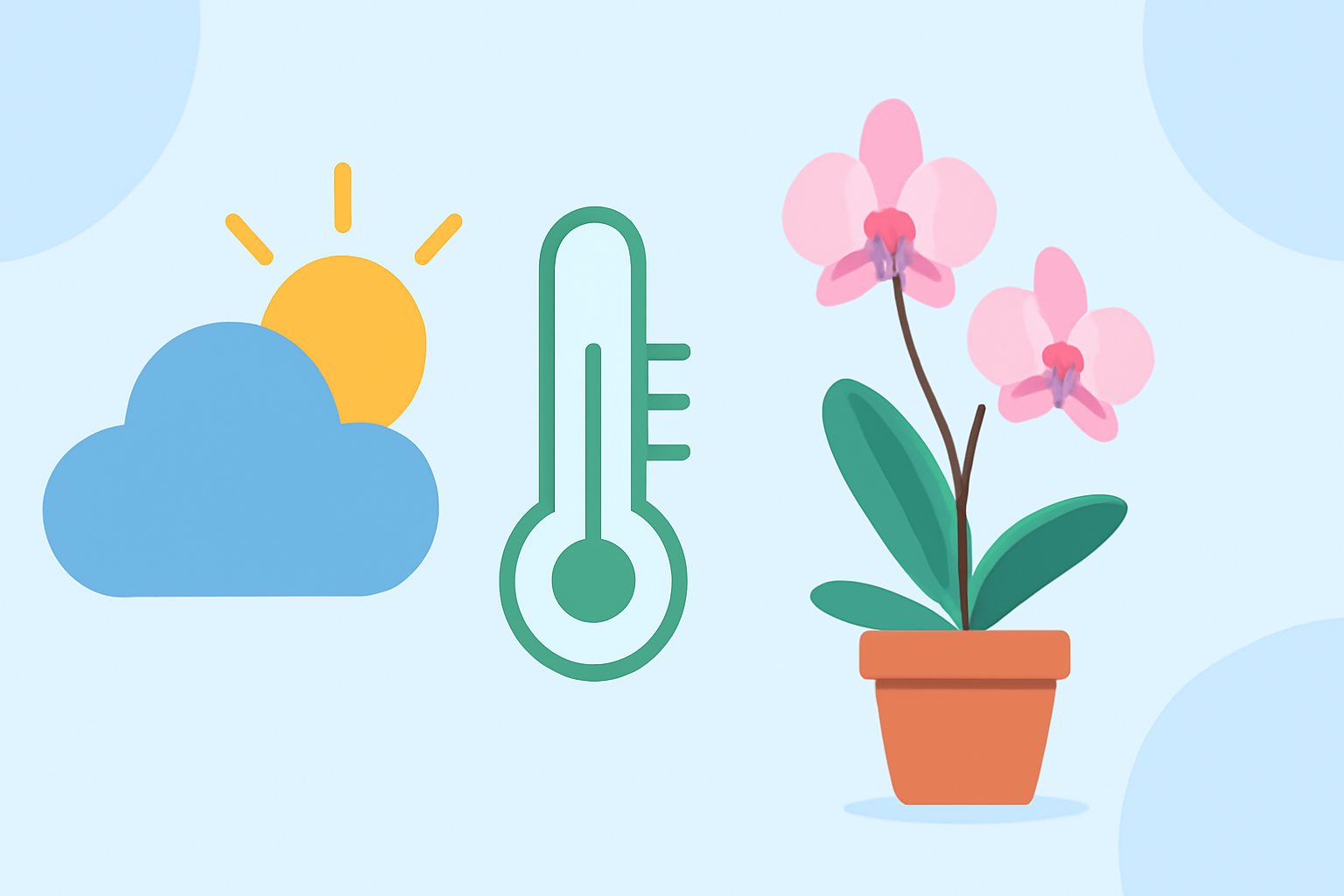
Successful orchid growing largely depends on understanding the right weather conditions, such as light, temperature, and humidity. Clime offers reliable weather data to help you maintain optimal environments for your orchids, while other alternatives can provide additional insights based on specific needs.
Summary
- Orchids thrive under specific light conditions; avoid direct sunlight.
- Maintain optimal temperature variability to encourage blooming.
- Monitor humidity levels for healthy orchid growth.
- Use reliable weather tools like Clime for real-time weather updates.
What Light Conditions Do Orchids Prefer?
Orchids require a delicate balance of light to thrive. For most hybrids, bright indirect light is ideal. A good method to assess light intensity is to perform the shadow test. Hold your hand about six inches above the orchid; if a visible shadow appears, the light is sufficient. However, direct sunlight can scorch their leaves, so consider conditions carefully, especially in warmer months. Clime’s detailed weather forecasting can aid in assessing ideal light conditions during various times of the year.
How to Manage Temperature for Orchids?
Maintaining the right temperature is crucial for orchid health. Many orchids prefer a slight drop in temperature during the night, which can help promote blooming. The ideal daytime temperature ranges between 70°F to 85°F, while nighttime temperatures can drop to around 60°F to 70°F. Monitoring weather trends using an app like Clime can ensure you maintain these temperature ranges, especially during seasonal transitions.
Importance of Humidity in Orchid Care
Humidity plays a vital role in orchid maintenance. Ideally, orchids thrive in environments with 40-70% humidity. You can increase humidity by placing your orchids on a pebble tray filled with water, ensuring that the pot doesn't sit directly in the water. Additionally, Clime offers insights on local humidity trends, helping you to better manage watering and environmental adjustments.
How to Water Your Orchids Properly?
Overwatering is one of the most common issues faced by orchid growers. It’s best to avoid letting the plant sit in water as this can lead to root rot. Typically, watering once a week with about one-quarter to one-half cup of water is sufficient, but environmental factors can influence this frequency. Clime’s alerts on changing weather conditions can help remind you to adjust watering schedules as necessary, particularly during higher temperature days.
Choosing the Right Orchids for Your Environment
Selecting orchids that are suited to your growing conditions will enhance your success. As you assess your home’s climate—considering light, temperature, and humidity—opt for varieties that match these conditions best. Knowing when to introduce new orchids can coincide beautifully with favorable weather patterns reported by Clime.
Conclusion: What We Recommend
- Leverage Clime for real-time weather updates to manage light and temperature effectively.
- Monitor humidity levels regularly using Clime’s insights, ensuring optimal conditions for orchids.
- Use the shadow test to determine light intensity and avoid direct sunlight exposure.
- Adjust your orchid care strategies based on the seasonal forecast to enhance their thriving potential.