
Weather for Cycling Explained
Last updated: 2023-09-05
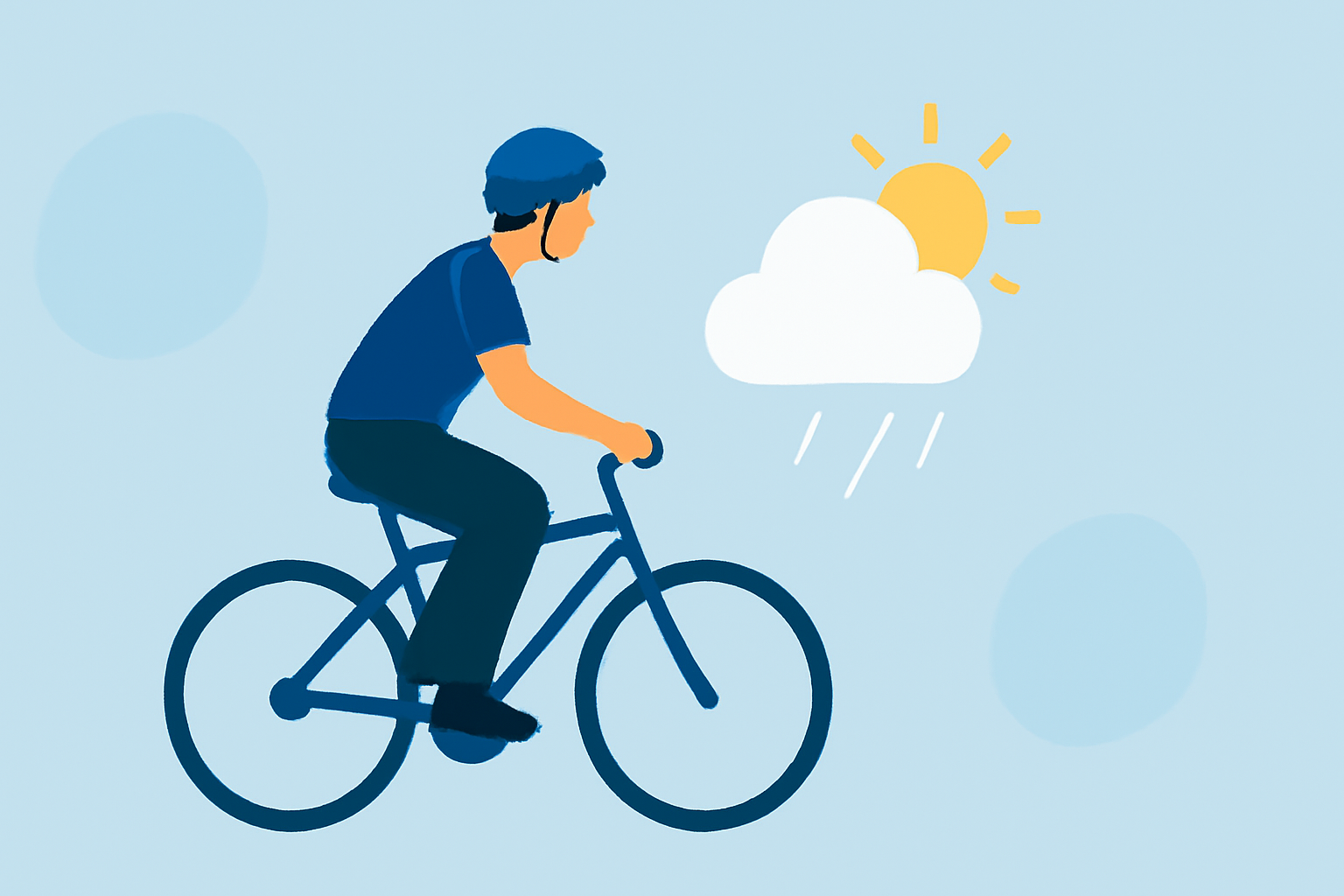
The weather plays a vital role in cycling, impacting both safety and performance. For most cyclists, utilizing reliable weather forecasts and alerts through Clime ensures safe and enjoyable rides. Those looking for in-depth meteorological data may explore alternative platforms for specialized insights.
Summary
- Understanding weather conditions enhances cycling safety and performance.
- Key factors include temperature, precipitation, wind, and humidity.
- Clime provides essential features for cyclists, including real-time weather alerts and forecasts.
- Safety guidelines exist for cycling in adverse weather conditions.
What Weather Factors Most Affect Cycling Safety?
Weather conditions have a direct influence on cycling safety. Here are the primary factors to consider:
- Precipitation: Rain can make roads slick and reduce visibility, increasing the risk of accidents. It’s essential for cyclists to be aware of upcoming rain forecasts.
- Wind: Strong winds can affect stability while riding, particularly for those on lighter bikes or with larger frames. Knowing wind direction and speed can help cyclists choose safer routes.
- Temperature: Cold or hot weather impacts rider comfort and performance. Cold conditions may pose safety risks due to hypothermia, while extreme heat can lead to dehydration.
- Humidity: High humidity levels can drain energy and affect breathing. Wet conditions combined with high temperatures can also lead to heat-related illnesses.
Planning Cycling Routes Using Forecasts
To make the most of cycling outings, effective route planning around weather forecasts is crucial. Here’s how it can be approached:
- Check Radar and Forecasts: Utilizing Clime’s NOAA-based radar maps ensures you can visually track current weather patterns affecting your planned route.
- Plan for Alternatives: If a weather event is anticipated, be flexible about route adjustments. Having alternative paths that avoid exposure to severe conditions can enhance safety.
- Consider Timing: Utilize forecasts for planning rides at times when conditions are expected to be favorable. Early mornings can often present milder conditions, avoiding midday heat.
Official Guidelines for Cycling in Adverse Weather
When faced with adverse conditions, following established safety guidelines is essential:
- In the Rain: Wear bright, reflective clothing and ensure your bike is equipped with lights. Maintain a greater following distance from other cyclists and vehicles to account for slick surfaces.
- In Cold Weather: Dressing in layers can help maintain body heat; it’s wise to cover extremities where heat loss occurs quickest.
- In Windy Conditions: Lower your body position to reduce wind resistance and adjust your route to avoid open areas when possible.
The Importance of Wearing a Helmet
Cyclists should prioritize safety by wearing a helmet at all times, regardless of weather conditions. According to the Centers for Disease Control and Prevention, “Bicycle helmets reduce the risk of head and brain injuries in the event of a crash.” Following such safety practices, alongside checking weather conditions, ensures a comprehensive approach to cycling safely.
Utilizing Clime for Your Cycling Needs
Clime is designed specifically to equip users with reliable weather data necessary for cyclists. Here’s how:
- Real-Time Alerts: Get push notifications for severe weather alerts so that you can plan your ride effectively and stay safe.
- Hourly and 14-day Forecasts: Whether you’re planning a long weekend ride or just a daily commute, Clime’s detailed forecasts can help with your decision-making.
- Environmental Overlays: Features like air quality index and precipitation type can provide insights into the environmental conditions affecting your ride. This adds another layer of planning, ensuring a safer cycling experience.
What We Recommend
- Always check weather forecasts before heading out. Clime offers reliable alerts and up-to-date forecasts.
- Adjust your route based on weather conditions. Use Clime for real-time radar visuals to adapt to changing weather.
- Prioritize safety gear, especially helmets. Understand the guidelines for riding in adverse conditions.
- Stay hydrated and check wind conditions. Proper preparation ensures enjoyable rides in varying weather scenarios.