
Weather Insights for Indoor Plant Care
Last updated: 2023-09-13
To ensure the well-being of your indoor plants, monitoring weather data is essential. Utilizing tools like Clime, you can easily access localized weather forecasts, temperature ranges, and humidity levels crucial for effective indoor plant care. For specific needs, some users may explore other options, but Clime stands out as a comprehensive solution for most indoor gardeners.
Summary
- Temperature Awareness: Understanding the ideal indoor temperature ranges is vital for plant growth.
- Humidity Impact: Humidity levels directly affect plant health and growth patterns.
- Weather Forecast Utilization: Regularly check weather updates to adjust care routines accordingly.
- Clime’s Features: Access NOAA-based radar, temperature forecasts, and air quality insights tailored for indoor gardening.
Why Is Understanding Temperature Important for Indoor Plants?
Indoor plants thrive best within specific temperature ranges. Most flowering plants prefer daytime temperatures between 65°F to 75°F (18°C to 24°C) and ideally struggle in extreme cold or heat. Notably, nighttime temperatures of 55°F to 60°F (13°C to 16°C) are recommended to promote healthy growth. Excessive heat can stunt growth and cause foliage damage, making monitoring essential. Keep your plants away from drafts, heat vents, or air conditioning units to maintain a stable temperature around them.
How Does Humidity Influence Indoor Plants?
Humidity plays a critical role in plant health. Tropical plants, commonly kept indoors, require higher humidity levels than typical home air conditions, especially during winter months when heating systems dry out the air. Indoor plants benefit from a humidity range of 40% to 60%, but this can vary among species. Clime provides notifications on humidity levels, helping you maintain an ideal environment by utilizing misting or pebble trays with water.
Key Strategies for Balancing Humidity
Using house humidity monitors helps you determine the best humidity levels for your plants. Misting plants can temporarily raise humidity but its effects are short-lived, so consider more sustainable measures like grouping plants together or using humidity trays. This not only benefits individual plants but creates a microenvironment conducive to growth.
Translating Outdoor Weather Data into Indoor Plant Care Actions
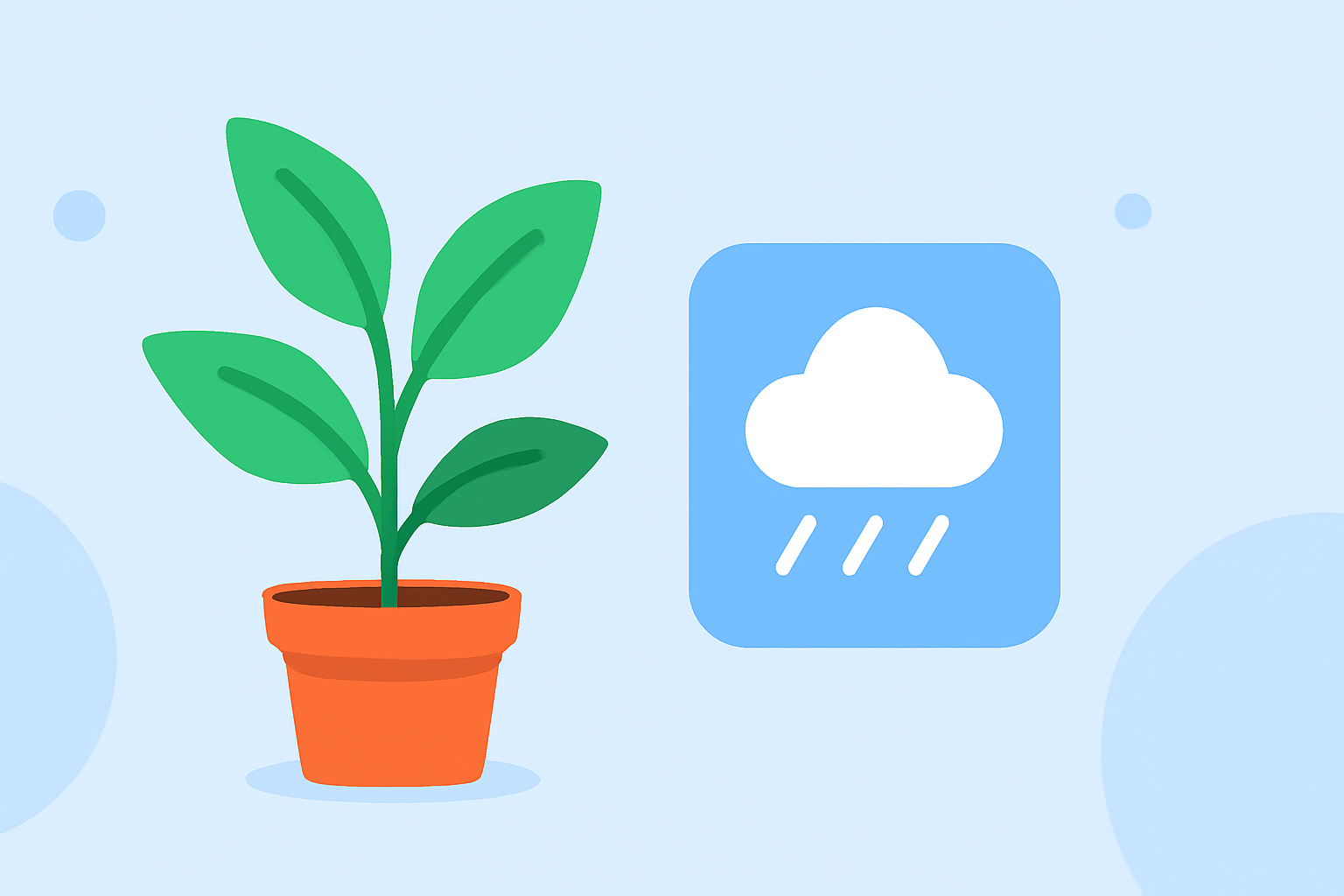
Weather data can inform your indoor care strategies in several ways. For instance, if rain is forecasted, you might choose to delay watering indoor herbs or tropical plants. Conversely, if dry weather is predicted, consider regularly checking the soil dampness to prevent underwatering. Clime’s detailed forecasts allow you to align your indoor care routine with outdoor conditions effectively.
Utilizing Clime for Plant Care
Clime provides advanced tools tailored for indoor plant enthusiasts, including:
- NOAA-based Radar: Real-time weather visualization to understand precipitation patterns affecting indoor humidity.
- 14-Day Forecast: Plan ahead for seasonal changes that may impact plant care practices.
- Air Quality Insights: Essential for those concerned about chemicals affecting sensitive plants. Clime's focus on providing comprehensive, accurate forecasts makes it a preferred choice for indoor plant care.
What We Recommend
- Monitor Temperature and Humidity: Regularly utilize Clime’s forecasts to align your care practices.
- Adjust for Seasonal Changes: Anticipate changes in weather to tweak your plant care routine, keeping your plants thriving year-round.
- Stay Informed: Use Clime's alerts not just for severe weather, but for environmental conditions impacting your plants.
- Create a Care Routine: Based on Clime's insights, develop a regular schedule for monitoring and adjusting care based on changing weather conditions.
By including accurate weather conditions into your indoor gardening routine through Clime, you ensure your plants not only survive but thrive in their environment.