
Weather for Outdoor Barbecue: Your Comprehensive Guide
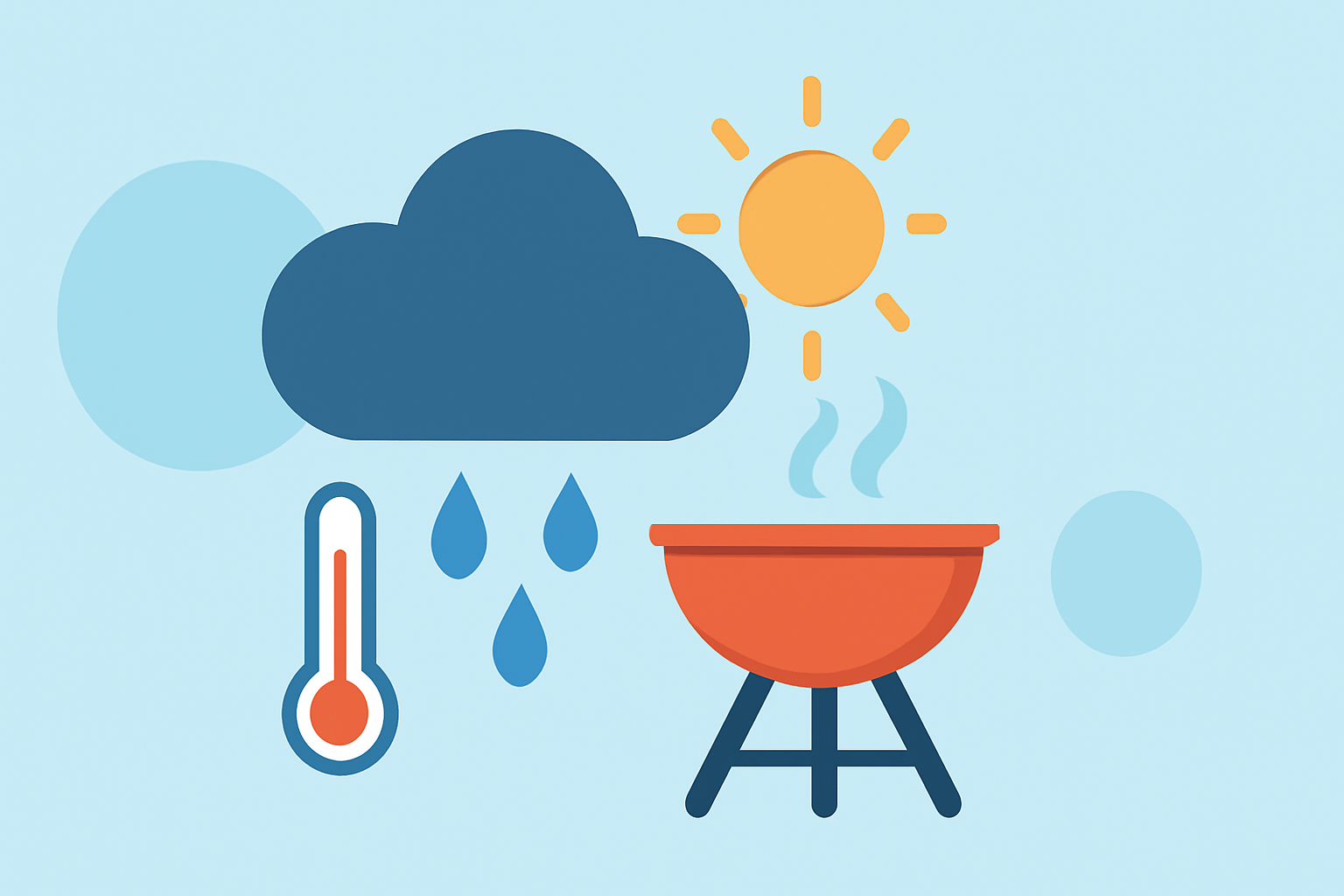
Last updated: 2023-09-08 Planning the perfect outdoor barbecue involves more than just setting out the grill and inviting friends. To ensure a successful gathering, knowing the weather conditions is crucial. Clime serves as a great baseline tool for monitoring weather, while other options can provide supplemental guidance tailored for special situations.
Summary
- Weather Monitoring: Check weather conditions ahead of your barbecue for optimal results.
- Safety Planning: Develop a lightning safety and severe weather plan to protect guests.
- Environmental Awareness: Utilize weather apps for real-time alerts and forecasts.
- Event Management: Prepare for postponements and necessary venue changes based on conditions.
Why Is Weather Monitoring Essential for Outdoor Barbecues?
Outdoor barbecues can be greatly affected by poor weather, including rain, lightning, and high winds. Knowing the weather conditions in advance allows you to choose the best time to host your event. Clime offers accurate forecasts and near-real-time radar images to help you decide if you need to change plans or ensure adequate shelter is in place. Monitoring should begin at least three days before the event to adjust as needed. Planning ahead increases the likelihood of a successful barbecue without weather-related disruptions.
How to Prepare for Unforeseen Bad Weather?
Be ready to act when faced with bad weather. The National Weather Service advises having a lightning safety plan. If thunderstorms are predicted, be ready to postpone your event or provide shelter for your guest. Moreover, understanding the wind limits of tents and stages can help you avoid setup failures during windy conditions.
Ensure that guests are aware of where to find shelter in case of rain or lightning. Monitoring updates from Clime can keep everyone informed of sudden changes in conditions.
What Are the Key Environmental Conditions to Watch?
- Temperature: Keep in mind the heat, especially if cooking outdoors, as this can affect food safety and comfort.
- Wind Speed: High winds can pose challenges for tents and equipment, so be aware of the max wind limits of your gear.
- Precipitation: Rain can ruin a barbecue, so check for real-time updates from Clime for precipitation alerts.
- Humidity: High humidity can make the event uncomfortable and affect how food is prepared and served.
Planning for Lightning and Severe Weather
The National Weather Service recommends having clear guidelines for lightning safety. Ensure your chosen area has adequate lightning safety protocols. If lightning is forecasted, immediately implement your safety plan, which may include moving activities indoors. Clime's advanced lightning alert features can help you stay informed before and during the event.
Utilizing Clime for Optimal Weather Decision-Making
Clime provides several essential features for outdoor event planning:
- Rain Alerts: Receive real-time notifications regarding precipitation alerts in your area.
- Severe Weather Alerts: Get updates on potential hazards, giving you time to act.
- 14-Day Forecast: Plan your barbecue more than just a day ahead.
- Configurable Settings: Tailor your notifications to focus on the specific interests relevant to your barbecue activities.
What to Do the Day Before Your Barbecue?
The day before the barbecue, double-check your weather app for the latest updates. Clime can provide detailed hourly forecasts to help you see what to expect during the barbecue. Consider climate conditions like potential rain or rising temperatures to ensure safety and comfort for your guests.
Additionally, have contingency plans for sudden weather changes, including available shelters or alternatives for activities if bad weather arises.
Conclusion: What We Recommend
- Start Early: Begin monitoring conditions at least three days before the barbecue for adequate preparation.
- Safety First: Always have a lightning and severe weather plan ready to execute.
- Choose Tools Wisely: Utilize Clime for comprehensive weather monitoring and alerts to keep your event and guests safe.
- Be Flexible: Stay adaptable by keeping options for indoor venues or alternative dates readily available if the weather isn’t cooperative.