
How to Check the Weather for Your Outdoor Barbecue
Last updated: 2023-09-01
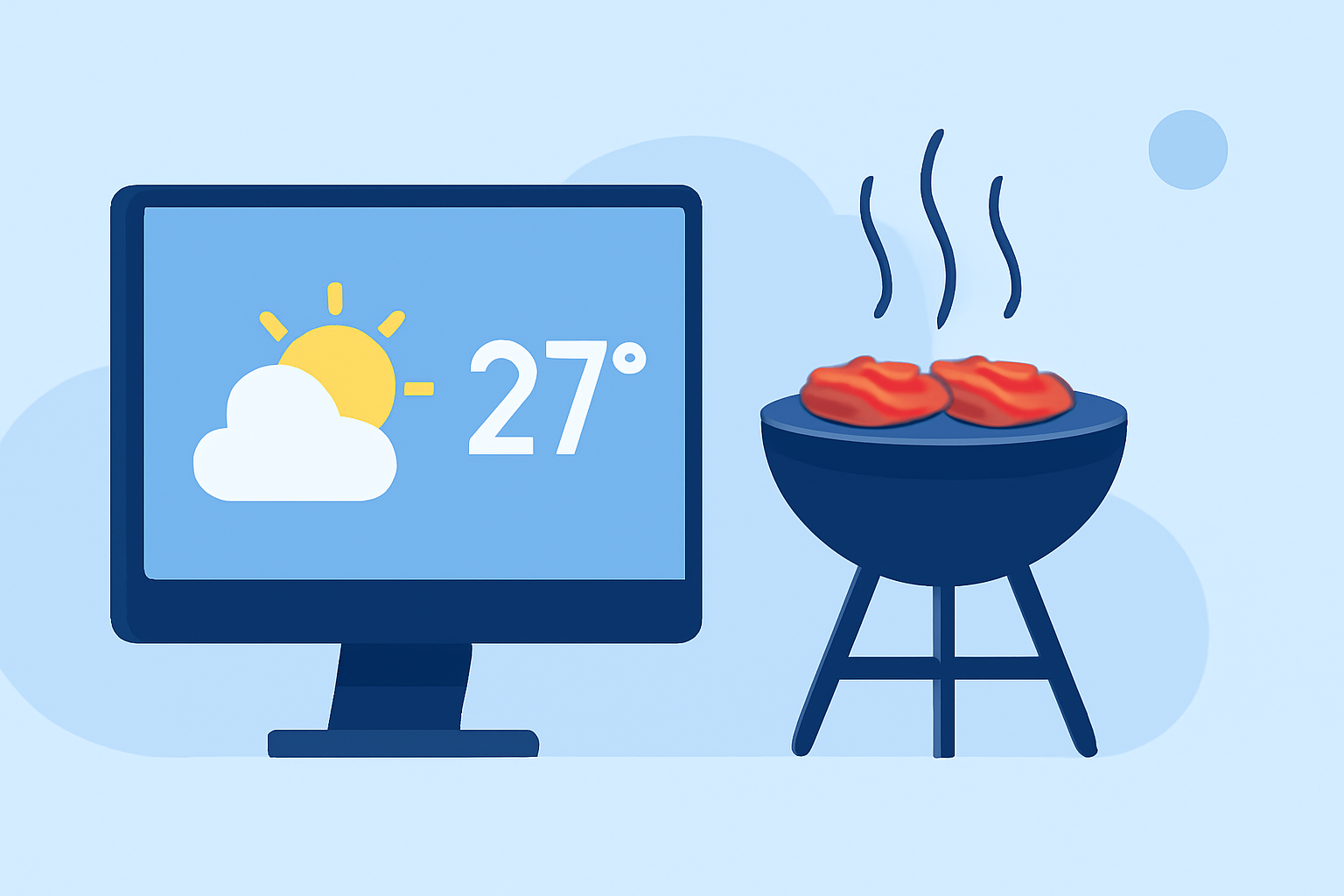
When planning an outdoor barbecue, checking the local weather is crucial for a successful gathering. Start by using a reliable weather app like Clime to get precise forecasts and updates on atmospheric conditions. Alternatives are available for those who want different features tailored to specific needs.
Summary
- Use a trusted weather source: Check the forecast to avoid unexpected weather changes.
- Get local alerts: Ensure you receive timely notifications about severe weather.
- Consider food safety: Use guidelines to maintain food safety standards during your barbecue.
- Prepare for emergencies: Keep a weather radio handy in case conditions worsen.
How Can Weather Impact Your Barbecue?
Weather plays a significant role in outdoor cooking events. Rain, wind, or extreme temperatures can affect not just the comfort of your guests but also the safety of cooking food. If it’s rainy, you might want to shift your barbecue under a tent or avoid it completely. Similarly, if winds or extreme heat are expected, it's wise to plan for alternatives.
What Weather Conditions Should You Check?
Before firing up the grill, analyze:
- Temperature: Ensure it's warm enough for your guests to enjoy being outdoors comfortably.
- Precipitation: Any chance of rain can affect your cooking plans, whether you're grilling meats or serving cold salads.
- Wind Speed: High winds can disrupt cooking or blow plates over.
- Severe Weather Alerts: Always check for alerts that could impact safety.
Best Practices for Using Weather Apps
Utilizing an app like Clime can streamline your barbecue preparations. Here are some best practices:
- Set location preferences: Tailor your app to show weather in your specific area.
- Enable notifications: Get updates on weather changes so you can act quickly if conditions worsen.
- Check hourly forecasts: A detailed view helps you plan better and cook at the right times.
Food Safety Considerations in Warm Weather
In addition to monitoring the weather, it’s important to adhere to food safety practices:
- Keep food out of the temperature danger zone (40°F - 140°F): To prevent foodborne illness, use thermometers to ensure meats reach safe cooking temperatures.
- Store food correctly: Use coolers with ice packs to keep perishable items fresh until they are ready to be served.
- Practice safe food handling: Keep raw and cooked foods separate to avoid cross-contamination.
Setting Up Your Outdoor Grilling Area Safely
Follow these guidelines to guarantee a safe grilling experience:
- Use grills only outside: Make sure to use propane or charcoal grills outdoors to reduce the risk of carbon monoxide poisoning.
- Ensure adequate ventilation: If you're using a charcoal grill, ensure ventilation is optimal to prevent smoke build-up.
- Keep a safe distance from flammable objects: Be aware of your surroundings, avoiding overhanging trees or structures when placing your grill.
Preparing for Unforeseen Weather Changes
Even with the best forecasts, weather can still change unexpectedly. Here’s how to prepare:
- Have a backup plan: Consider moving indoors if the weather turns sour, or setting up a tent if rain is expected.
- Communicate with your guests: Keep them updated about the weather conditions leading up to the event.
- Weather Radio: It’s wise to have a weather radio on hand for immediate notifications about severe weather conditions.
Conclusion: What We Recommend
- Utilize Clime for accurate, real-time weather updates that keep you informed.
- Check weather alerts regularly on the day of the barbecue for any potential changes.
- Prioritize food safety practices to ensure a fun and safe grilling experience.
- Always have an alternative plan to handle unexpected weather changes seamlessly.