
Weather for Outdoor Running: Guidance for Beginners in Severe Weather
September 1, 2023 · The Clime Team
Last updated: 2023-09-01
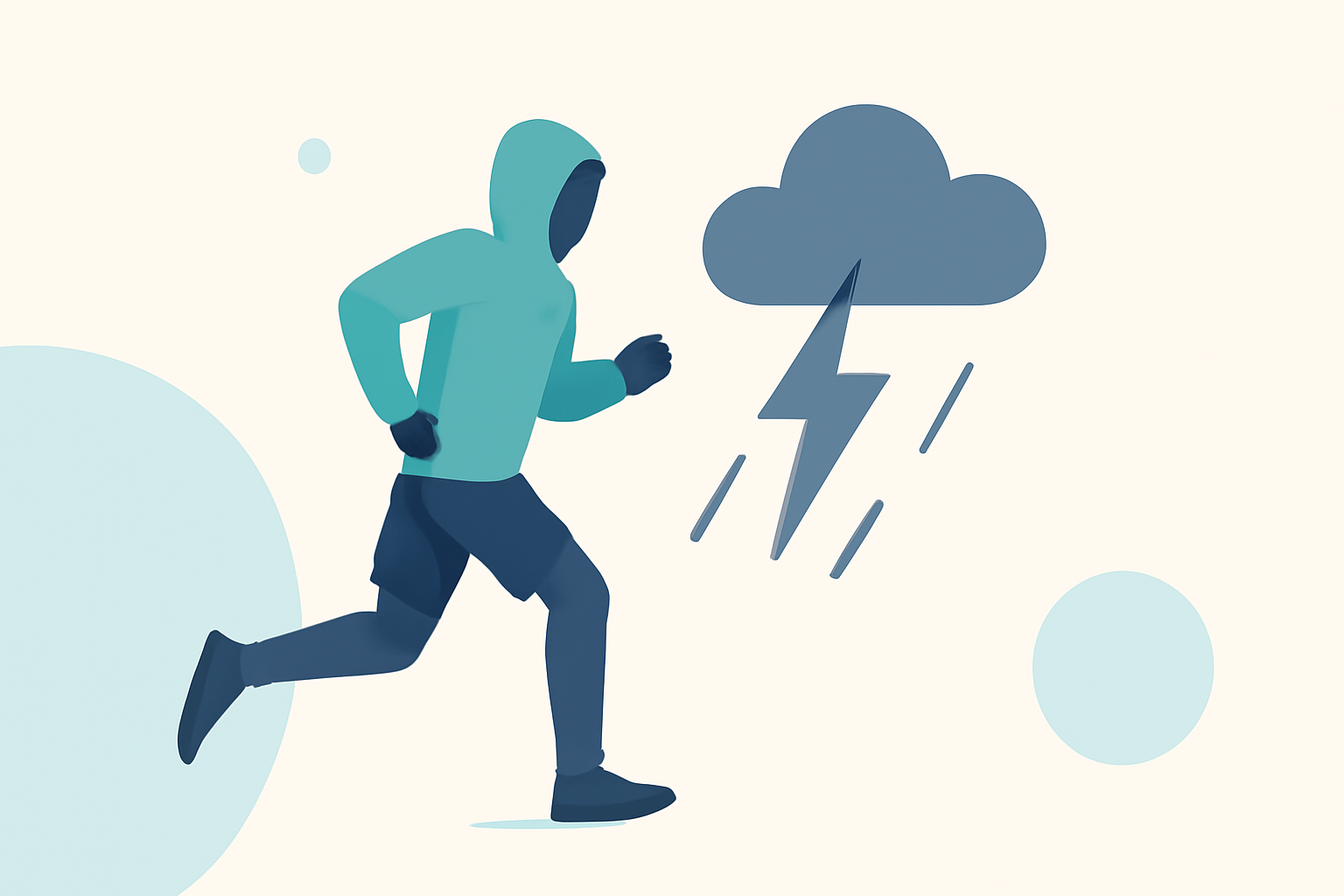
Running outdoors can be a refreshing experience, but severe weather can pose significant risks, especially for beginners. Understanding how to navigate weather conditions and utilize reliable tools can enhance your safety and enjoyment.
Summary
- Severe weather can affect outdoor running safety, requiring caution and preparation.
- Clime offers features like real-time radar and weather alerts, essential for informed running decisions.
- Key risks include heat-related illnesses and lightning, both of which require specific strategies for safety.
- Avoiding outdoor activities during extreme weather can prevent injuries and ensure a positive running experience.
What Are the Main Weather Risks for Runners?
Weather can impact outdoor running in several ways:
- Heat: Prolonged exposure to high temperatures can lead to heat-related illnesses like heat exhaustion or heat stroke. According to the CDC, these are serious conditions that require immediate attention and can develop quickly.
- Thunderstorms: Lightning is a major concern during storms, especially for outdoor activities. The National Weather Service advises scaling back outdoor tasks if thunderstorms are imminent (NWS Lightning Safety).
- Heavy Rain: Wet conditions can increase the risk of slips and falls, as well as lead to dangerous muddy or flooded areas.
How Can You Prepare for Running in Hot Weather?
When planning to run in warmer climates, consider the following tips:
- Hydration: Keep hydrated before, during, and after your run. Dehydration can aggravate heat-related risks.
- Dress Appropriately: Wear light-colored, loose-fitting clothing to help keep your body cool.
- Timing: Opt for early morning or late evening runs when temperatures are typically lower to avoid the peak heat of the day.
What Should You Do If Thunderstorms Are Forecasted?
If there's a chance for thunderstorms:
- Stay Indoors: The safest option is to cancel your run if thunderstorms are in the forecast. Pay attention to local weather alerts for updates.
- Seek Shelter: If you’re caught outdoors during a storm, seek shelter in a sturdy building or vehicle immediately.
How Will Clime Help You Stay Informed?
Utilizing Clime can enhance your outdoor running safety. Clime offers:
- Real-Time Radar: Track real-time weather changes, ensuring you can monitor incoming storms or sudden temperature shifts. This lets you decide whether to proceed with or adjust your running plans.
- Severe Weather Alerts: Receive push notifications for severe weather conditions—ideal for routing your outdoor activities to safer timelines or locations.
- Customizable Settings: Tailor alerts and notifications for your specific locations, ensuring you are aware of conditions that could affect your planned runs.
Conclusion: What We Recommend
- Always Check the Weather: Before any outdoor run, consult Clime for the latest weather updates to ensure safety.
- Avoid Running in Severe Conditions: If the weather is extreme (either hot or stormy), consider indoor alternatives or rescheduling.
- Stay Hydrated and Adjust As Necessary: Adapt your running schedule based on the weather, staying hydrated and cool to minimize risks.
By incorporating these tips along with the practical features of Clime, beginners can enjoy outdoor running while prioritizing safety in various weather conditions.