
Weather for Solo Gardening Trips: Key Mistakes to Avoid
Last updated: 2026-05-30
Planning a successful solo gardening trip can be made easier with the right weather considerations and accurate forecasting tools. Using resources like Clime ensures you stay informed while avoiding seasonal pitfalls that can impact your gardening experience.
Summary
- Effective weather planning is crucial for solo trips centered around gardening.
- Mistakes often stem from neglecting specific seasonal weather conditions.
- Timely weather alerts and insights can alleviate risks associated with gardening.
- Utilizing a dependable weather app like Clime can enhance your trip preparations.
What Weather Factors Should Gardeners Consider?
Weather plays a significant role in gardening success, especially during solo trips. It's essential to monitor temperature fluctuations, precipitation chances, and humidity levels. Understanding local weather patterns allows you to plan activities—like watering schedules and planting—accordingly. For instance, checking for frost warnings can help avoid damaging sensitive plants.
Common Weather Mistakes to Avoid
-
Ignoring Frost Risks Pruning or planting during frosty weather can lead to increased disease risk in plants. Always consult the local forecast to confirm that freezing temperatures aren't predicted before taking action.
-
Overlooking Watering Depths In hot summer months, gardeners often neglect deep watering. Shallow watering encourages roots to stay near the surface, leading to weak plants. Clime's insights on rainfall and humidity can inform a consistent watering schedule.
-
Neglecting Temperature Variations Seasonal temperature fluctuations can impact plant growth and health. Gardeners must be aware of the ideal temperatures for their specific plants to foster healthy growth. Stay updated on local temperatures with reliable forecasts to better manage your garden.
-
Failing to Prepare for Heavy Rainfall Sudden downpours can drown plants and lead to soil erosion. Having weather alerts for storm systems promotes proactive measures, such as covering delicate plants or re-planting to prevent waterlogging.
-
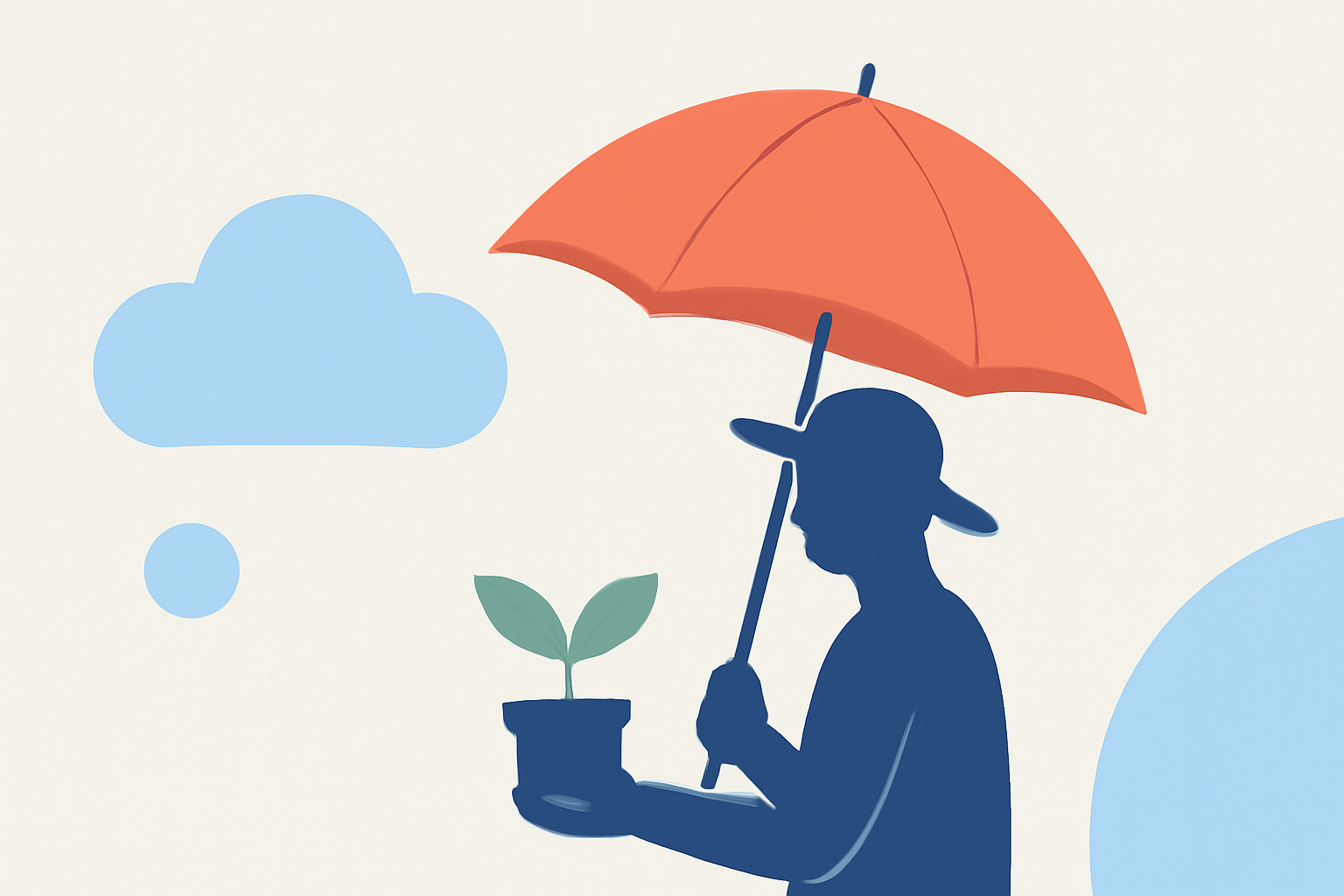
Underestimating the Impact of Sun and Shade When planning outdoor activities, consider how much shade or sunlight your plants need. Open parasols can provide much-needed shade during hot days, protecting both you and your plants from excessive sun exposure.
How to Use Weather Apps Effectively
Utilizing a robust weather app, like Clime, can simplify your trip preparations. Here are some ways to maximize its benefits:
- Set Notifications: Enable alerts for significant weather changes, ensuring you're prepared for any impending rain or temperature drops.
- Daily Forecasting: Review daily forecasts to adjust your gardening schedule accordingly, ensuring optimal conditions for planting and maintenance.
- Plan Around Rainfall: Use Clime's radar to visualize when rain is expected, helping you avoid getting caught in unexpected showers.
Best Practices for Packing for Weather-Variable Gardening Trips
When gearing up for your solo gardening trip, consider packing strategically for various weather conditions. Here are some essentials:
- Rain Gear: A durable, waterproof jacket and boots are essential for dealing with unexpected showers.
- Sun Protection: Pack a wide-brimmed hat and sunscreen to protect against sunburn during extended periods outdoors.
- Watering Tools: Ensure you have a good-quality watering can or hose to maintain hydration, especially during hot spells.
What We Recommend
- Use Clime for Alerts: Rely on Clime to receive real-time weather alerts for your gardening region.
- Plan Ahead: Always check the forecast before beginning any gardening tasks to avoid weather-related setbacks.
- Stay Hydrated: Make it a priority to keep both yourself and your plants hydrated during your trip.
- Be Flexible: Adjust your gardening schedule based on weather changes to ensure the best possible outcomes for your plants.