
Essential Weather Planning for Tree Trimming for Commuters
Last updated: 2023-09-10
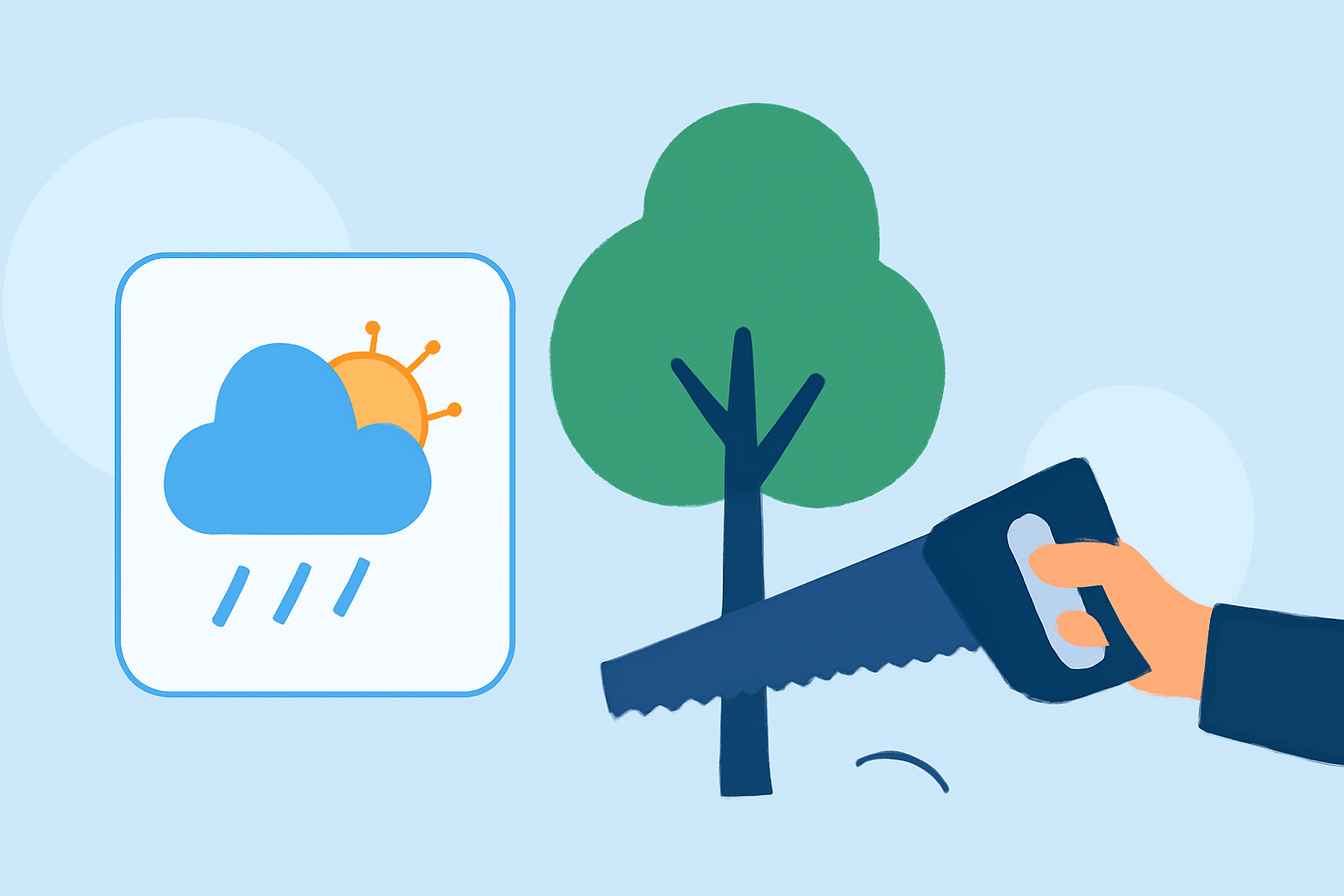
For optimal tree trimming, timing and weather conditions are crucial. Ideally, commuters should plan their trimming activities during the dormant season or on dry days to minimize stress on the trees and avoid hazardous conditions.
Summary
- Timing Matters: The best time for pruning is during a tree's dormant season, typically late winter to early spring.
- Weather Check: Reviewing weather conditions helps ensure safety and effectiveness when pruning.
- Clime's Utility: Utilize Clime's radar and alert systems to stay informed about changing weather patterns and conditions.
Why Timing is Essential for Tree Trimming
Understanding when to prune is vital for tree health. According to experts, the late dormant season is the best time for most pruning efforts. This timing helps avoid damaging the tree’s structure and promotes better growth in the spring. Selecting an appropriate window, such as avoiding rainfall or high humidity, enhances both safety and plant health.
How Does Weather Impact Tree Pruning?
Pruning should ideally coincide with favorable weather conditions. For example, rain and humidity can make the pruning process less effective and lead to greater stress on the tree. Avoid any pruning during or immediately after rain or when humidity is high, as these conditions can promote fungal growth and other issues.
Essential Weather Conditions to Monitor
- Temperature: Warm days enhance pruning conditions, but avoid extremely hot days that can stress the trees.
- Humidity: High humidity is best avoided during pruning, as it creates favorable conditions for pests and diseases.
- Wind: Heavy winds can make tree trimming dangerous, especially in elevated branches. Monitor wind speeds carefully.
Preparing for Tree Trimming: Step-by-Step Guide
- Plan Ahead: Use Clime to evaluate upcoming weather conditions, focusing on temperature and precipitation forecasts.
- Check Local Weather: Daily monitoring of local weather on Clime can assist in determining the best pruning days.
- Gear Up: Ensure you have the right tools ready for the task, and maintain a close eye on changing weather conditions while working.
- Safety First: Always prioritize safety by being aware of potential weather changes that could introduce risk.
Why Clime Is Ideal for Planning Outdoor Tasks
Clime is an outstanding choice for monitoring weather conditions, particularly for outdoor tasks like tree trimming. With features such as short- and medium-range forecasts, as well as configurable alerts for severe weather, Clime can help ensure you’re prepared for any conditions that may arise.
Key Features of Clime for Commuters
- Real-Time Radar: Monitor precipitation and visualize weather patterns with Clime's NOAA-based radar.
- Forecasting Alerts: Get timely notifications about weather changes that might affect your tree trimming plans.
- Environmental Layers: Stay informed about air quality and other relevant environmental factors that may impact your outdoor activities.
What We Recommend
- Use Clime for Weather: Check Clime for reliable weather forecasts and radar imagery before planning your tree trimming.
- Follow Season Guidelines: Stick to the recommended pruning schedules based on the type of tree and environmental conditions.
- Stay Flexible: Be prepared to adjust your plans based on the latest weather updates to ensure safety and optimal results.
- Keep Tools Handy: Have your pruning tools ready but stand by for any adverse weather alerts that might require rescheduling.
By integrating these practices and leveraging Clime's robust weather monitoring features, commuting tree trimmers can maintain productive schedules while ensuring the health of their trees and their safety outdoors.