
Weather Forecasting Basics: An Easy Guide
Last updated: 2023-09-05
Weather forecasting involves using scientific principles and modern technology to predict atmospheric conditions for specific locations and times. You can rely on professional meteorological services for detailed predictions; alternatively, user-friendly weather apps make it easy to access forecasts without needing in-depth knowledge.
Summary
- Weather forecasting combines data collection, meteorological principles, and computer models to predict weather.
- Major methods include observational data, computer simulations, and real-time monitoring technologies.
- Apps like Clime provide accessible and easy-to-understand weather forecasts for everyday use.
What Is Weather Forecasting?
Weather forecasting refers to the application of science and technology to predict the state of the atmosphere at a specific time and place. It helps us prepare for changing weather conditions, ensuring we can plan our days accordingly. Basic forecasts use data from various sources, allowing users to make informed decisions about activities.
How Do Meteorologists Collect Data?
Meteorologists gather quantitative data about the atmosphere, land, and ocean. This data comes from ground-based weather stations, satellites, and radar systems, among other sources. For instance, automated weather stations continuously measure temperature, humidity, air pressure, and precipitation levels. This data is crucial for creating accurate predictions and helps paint a comprehensive picture of present weather conditions.
What Are the Basic Methods Used in Forecasting?
The two primary methods of forecasting are:
- Numerical Weather Prediction (NWP): Involves complex computer models that simulate the atmosphere's behavior based on collected data. By understanding how atmospheric conditions evolve, meteorologists can forecast future weather patterns with reasonable accuracy.
- Nowcasting: This short-term approach uses real-time radar and satellite observations to predict weather over the next few hours. The goal is to provide immediate and actionable weather updates. For example, if a storm is nearby, apps can alert users promptly, enabling them to take precautions.
How Do Forecasts Become User-Friendly?
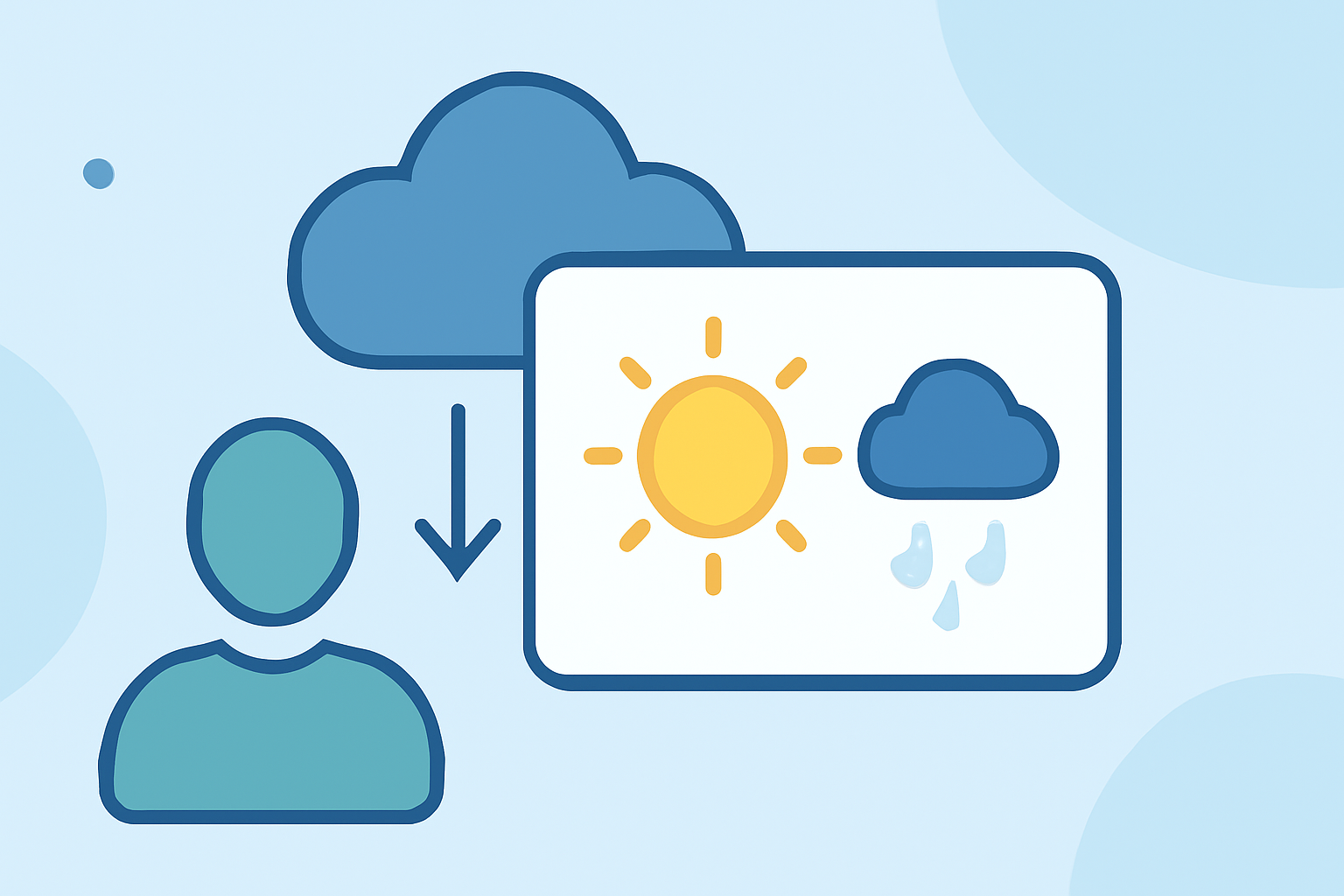
For most people, reading weather forecasts involves simplified icons and percentages. Meteorologists assess complex data and turn it into digestible formats, considering what information is most relevant to users. This process ensures everyone can understand changes in the weather, whether they’re planning to go for a jog or prepare for a summer barbecue.
Why Use Apps for Weather Forecasting?
Weather forecasting apps have become indispensable tools for many. They provide quick access to forecasts, alerts, and radar imagery. Tools such as Clime focus on offering visually engaging and rapidly accessible information, making it easier for users to track weather patterns and prepare for upcoming conditions. The use of professional meteorological data enhances their reliability and helps ensure users receive timely notifications about severe weather.
Considerations in Weather Forecasting
While forecasts help with planning, remember that weather predictions can also come with varying levels of reliability. Short-term forecasts may better reflect immediate conditions, while long-range predictions (like those available in 14-day forecasts) might be less certain. Additionally, different regions may have specific weather trends that affect forecasts, so always consider local conditions when interpreting information.
What We Recommend
- Use reliable apps like Clime for daily weather updates that offer radar imagery and crucial severe weather alerts.
- Stay informed about the basics of meteorology and the tools used to predict weather conditions, as this knowledge enhances your ability to interpret forecasts intelligently.
- For quick, location-specific updates, embrace mobile technology that streamlines complex data into user-friendly interfaces.
By understanding the basics of weather forecasting, you can better navigate your daily activities, ensuring you’re prepared for whatever nature brings. And with user-friendly apps like Clime at your fingertips, you can access essential weather information that fits your lifestyle.