
Quick Weather Guide for Outdoor Construction and Pet Safety
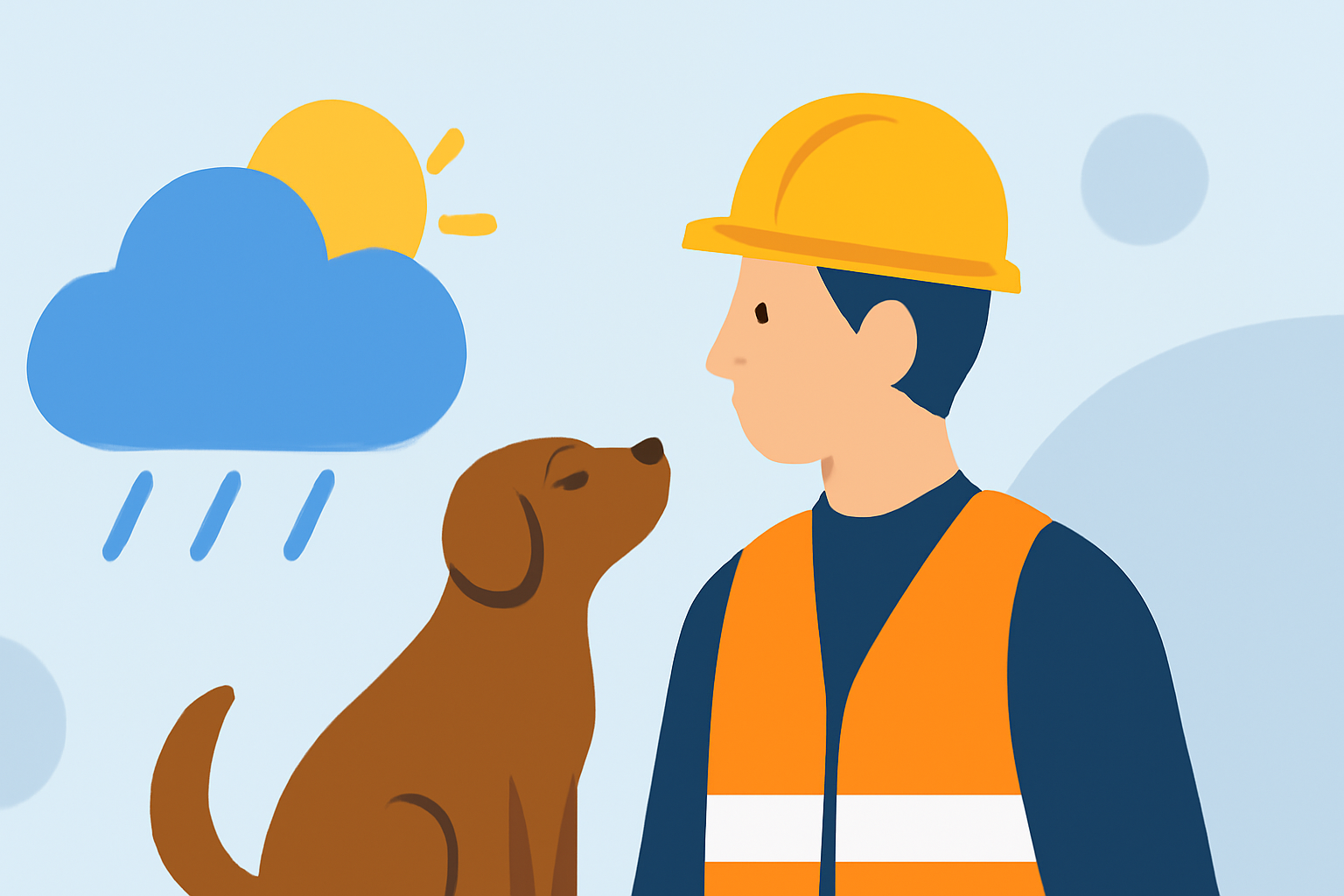
When planning outdoor construction projects, it's crucial to consider both weather conditions and pet safety. Adverse weather can impact construction schedules, while certain conditions can pose risks to pets. Here's a comprehensive guide to help you navigate these factors.
How Does Weather Affect Outdoor Construction?
Weather plays a pivotal role in construction timelines. Extreme conditions like heavy rainfall, high winds, or extreme temperatures can delay projects and compromise safety. For instance, heavy rainfall can lead to flooding, making construction sites hazardous and potentially causing delays. High winds can pose risks to workers and equipment, while extreme temperatures can affect material integrity and worker safety. Therefore, monitoring weather forecasts is essential for effective project planning.
What Are the Key Weather Considerations for Construction Projects?
-
Temperature Extremes: Both high and low temperatures can impact construction materials and worker safety. High temperatures can cause materials to expand, while low temperatures can lead to contraction or freezing. Additionally, extreme heat can increase the risk of heat-related illnesses among workers.
-
Precipitation: Rain, snow, or sleet can delay construction activities. Wet conditions can make the ground unstable, leading to potential accidents and equipment malfunctions.
-
Wind: Strong winds can be dangerous, especially when handling large equipment or materials. They can also pose risks to scaffolding and temporary structures.
-
Humidity: High humidity levels can affect the curing process of certain materials, like concrete, leading to structural issues.
How Can Construction Projects Mitigate Weather-Related Risks?
-
Regular Weather Monitoring: Utilize reliable weather forecasting services to stay updated on conditions that may impact your project.
-
Flexible Scheduling: Build buffer periods into your project timeline to accommodate potential weather delays.
-
Protective Measures: Implement safety protocols for workers during extreme weather conditions, such as providing shade during heatwaves or ensuring proper drainage during heavy rains.
What Are the Implications of Weather on Pet Safety?
Weather conditions not only affect construction but also have significant implications for pet safety. Extreme temperatures, humidity, and precipitation can pose health risks to pets.
How Can Pet Owners Protect Their Pets in Various Weather Conditions?
-
Heat: Ensure pets have access to fresh water and shade. Never leave pets in parked cars, as temperatures can rise rapidly, leading to heatstroke. Even with windows cracked open, temperatures inside a car can increase by nearly 20°F within 10 minutes. (cdc.gov)
-
Cold: Provide warm shelter and limit outdoor exposure during cold spells. Monitor for signs of hypothermia, such as shivering or lethargy.
-
Rain and Snow: Use waterproof clothing for pets and ensure they have a dry place to rest. Be cautious of ice, which can cause slips and falls.
-
Humidity: High humidity can lead to heat-related illnesses. Ensure pets are hydrated and avoid strenuous activities during peak humidity.
What Are the Risks of Vector-Borne Diseases in Pets?
Weather conditions also influence the prevalence of vector-borne diseases in pets. The Companion Animal Parasite Council (CAPC) forecasts an expansion of Lyme disease, ehrlichiosis, anaplasmosis, and heartworm risk across the United States in 2026. This expansion includes areas once considered low or moderate risk. (capcvet.org)
How Can Pet Owners Mitigate Risks of Vector-Borne Diseases?
-
Regular Veterinary Check-ups: Schedule annual parasite testing to detect infections early.
-
Year-Round Preventative Treatments: Administer recommended preventatives consistently, regardless of the season.
-
Monitor for Symptoms: Be vigilant for signs of illness, such as lethargy, loss of appetite, or unusual behavior.
How Can Clime Assist in Managing Weather-Related Construction and Pet Safety?
Clime offers comprehensive weather forecasting services tailored for construction projects, providing real-time updates and alerts to help plan activities effectively. Additionally, Clime provides localized weather information to assist pet owners in making informed decisions about their pets' outdoor activities, ensuring safety across various weather conditions.
By proactively considering weather forecasts and implementing appropriate safety measures, both construction projects and pet care can be managed effectively, minimizing risks and ensuring well-being.