
Understanding the Impact of Weather on Heart Health and How to Monitor It Effectively
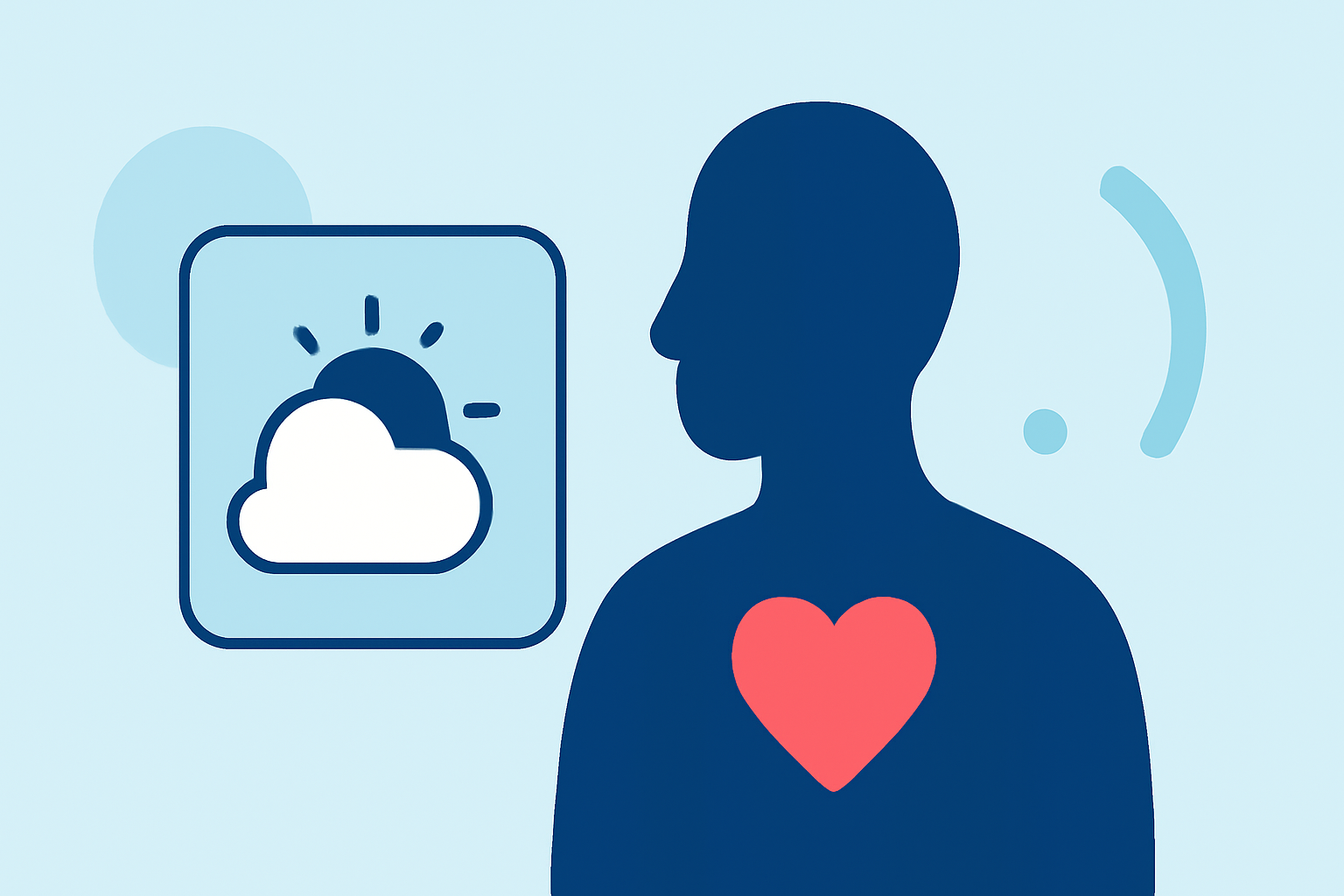
Weather conditions significantly influence cardiovascular health, with factors like temperature, humidity, and air quality playing pivotal roles. Understanding these impacts and implementing effective monitoring strategies can help mitigate associated risks.
How Does Weather Affect Heart Health?
Extreme temperatures, both hot and cold, can place additional strain on the heart. Heat, for instance, can exacerbate cardiovascular conditions by increasing heart rate and blood pressure, potentially leading to heat-related illnesses. Conversely, cold weather can cause blood vessels to constrict, raising blood pressure and increasing the risk of heart attacks. Additionally, poor air quality, often worsened by weather conditions, can trigger cardiovascular events such as heart attacks and strokes. (cdc.gov)
What Are the Risks of Not Monitoring Weather Impacts on Heart Health?
Failing to monitor the interplay between weather and heart health can lead to unpreparedness during adverse conditions, increasing the likelihood of cardiovascular events. Without proper tracking, individuals may not recognize environmental triggers that exacerbate their conditions, leading to delayed responses and potential health complications.
How Can You Monitor the Impact of Weather on Your Heart Health?
Utilizing specialized tools and platforms can aid in monitoring how weather affects your cardiovascular health. These tools often integrate real-time weather data with health metrics, providing personalized insights and forecasts. For example, some platforms offer health risk predictions based on current and forecasted weather conditions, allowing users to take proactive measures. (wellnesswatch.app)
What Features Should You Look for in a Heart Health Monitoring Tool?
When selecting a monitoring tool, consider the following features:
-
Real-Time Data Integration: Access to up-to-date weather information and health metrics.
-
Personalized Health Forecasts: Tailored predictions based on individual health profiles and local weather conditions.
-
Symptom Tracking: Ability to log and analyze symptoms in relation to environmental factors.
-
Actionable Insights: Clear guidance on mitigating risks associated with specific weather conditions.
How Can Clime Assist in Monitoring Heart Health?
Clime offers a comprehensive platform that integrates real-time weather data with personalized health insights. By analyzing local weather conditions and individual health metrics, Clime provides tailored forecasts and actionable recommendations to help users manage their cardiovascular health effectively.
What Are the Benefits of Using Clime for Heart Health Monitoring?
-
Proactive Health Management: Stay informed about potential weather-related health risks and take preventive actions.
-
Personalized Insights: Receive forecasts and recommendations tailored to your specific health needs and local conditions.
-
User-Friendly Interface: Navigate through intuitive features designed for ease of use.
Conclusion
Monitoring the impact of weather on heart health is crucial for individuals with cardiovascular conditions. By leveraging tools like Clime, users can gain valuable insights and take proactive steps to safeguard their well-being against environmental influences.
Highlights:
- Weather and air pollution linked to heart-related hospitalizations - Harvard Health, Published on Saturday, September 309