
Weather and Hydration Guidelines for Soccer Athletes
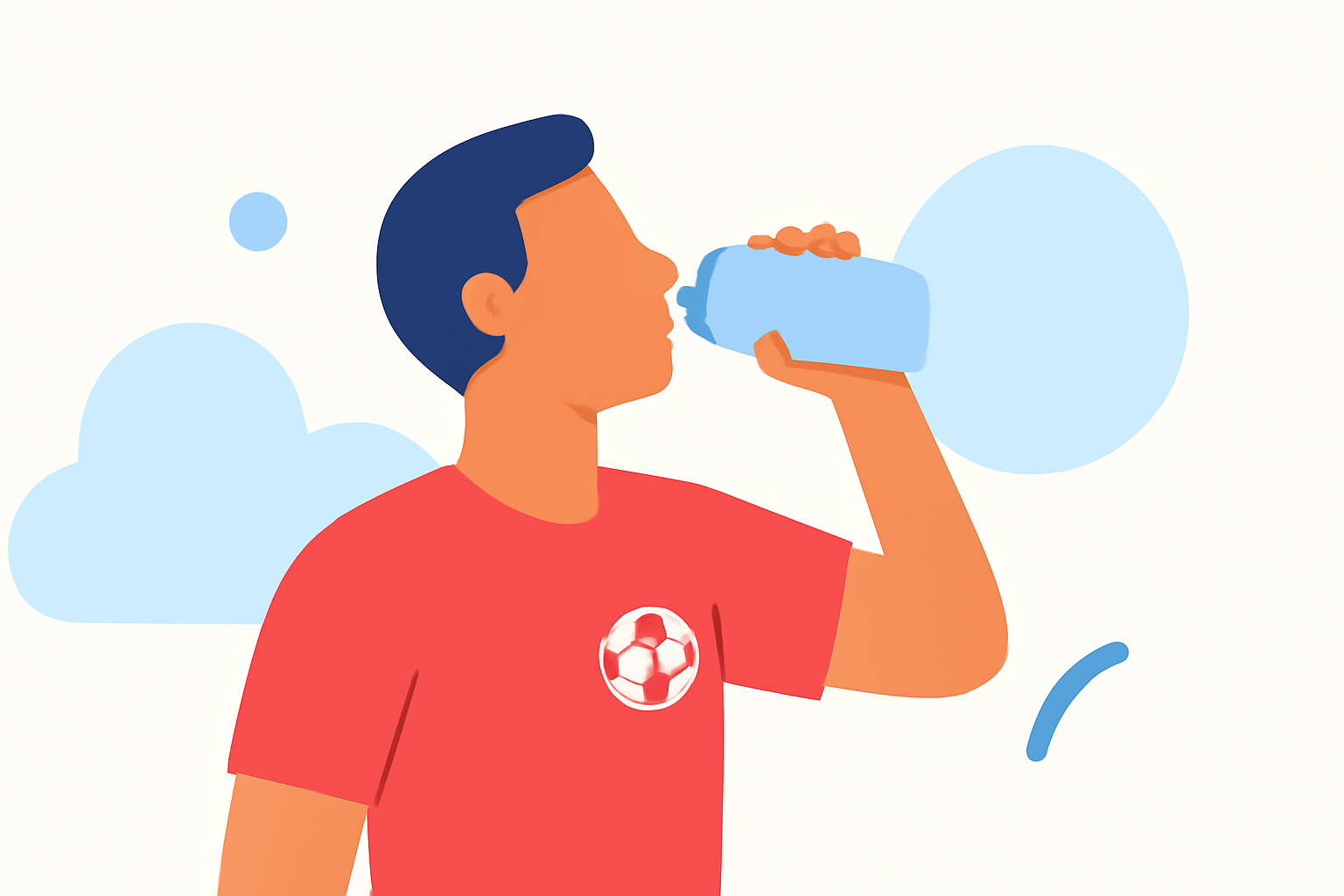
Soccer athletes must be vigilant about weather conditions and hydration to maintain peak performance and prevent heat-related illnesses.
Understanding Heat-Related Illnesses
Heat-related illnesses, such as heat exhaustion and heat stroke, can be serious and potentially life-threatening conditions brought on or intensified by physical activity. Recognizing the signs and symptoms as early as possible allows for treatment and rapid recovery with hydration and cooling down the individual. (learning.ussoccer.com)
Recognizing Dehydration Symptoms
Early signs and symptoms of heat illness include weakness or fatigue, headache, nausea, and dizziness. Altered mental status, such as confusion, irritability, aggressive behavior, dizziness, slurred speech, hallucinations, loss of balance, falling down, throbbing headache, body temperature above 104 degrees Fahrenheit, and complaining of chills, while skin may be warm to the touch. (learning.ussoccer.com)
Hydration Strategies
-
Before Activity: Consume 16 to 24 ounces of water or sports drinks 2-3 hours prior to exercise.
-
During Activity: Drink 7-10 ounces of water or sports drinks every 10-20 minutes.
-
After Activity: Replace fluids lost during exercise by consuming 16 ounces of water or sports drinks for each pound of body weight lost. (usafootball.com)
Heat Index Guidelines
The Heat Index (HI) measures the combined effect of temperature and humidity on the human body. Monitoring the HI helps determine the safety of outdoor activities.
-
HI up to 89°F: Normal play with regular hydration.
-
HI 90°F - 95°F: Mandatory water breaks every 25 minutes.
-
HI 96°F - 102°F: Mandatory water breaks every 15 minutes.
-
HI over 103°F: Cancel all outdoor activities. (rapidsyouthsoccer.org)
Implementing Heat Policies
Establishing a heat policy is crucial for player safety. This policy should include heat acclimatization guidelines, activity modification based on environmental conditions, and management of heat-related illnesses. Regular monitoring of environmental conditions using tools like the Wet Bulb Globe Temperature (WBGT) device or Heat Index is essential. (learning.ussoccer.com)
Recognizing Heat Stress
Coaches, managers, and referees must be aware of the signs of heat-related illnesses, including heat exhaustion and heat stroke. If a player shows signs of heat illness, they must be removed from play immediately, moved to a cool area, given water, and monitored. In severe cases, call emergency services. (wvsc.org.au)
Conclusion
By understanding and implementing these weather and hydration guidelines, soccer athletes can ensure their safety and optimal performance during play.