
Understanding Weather's Impact on Vegetable Pollination During Pollen Season
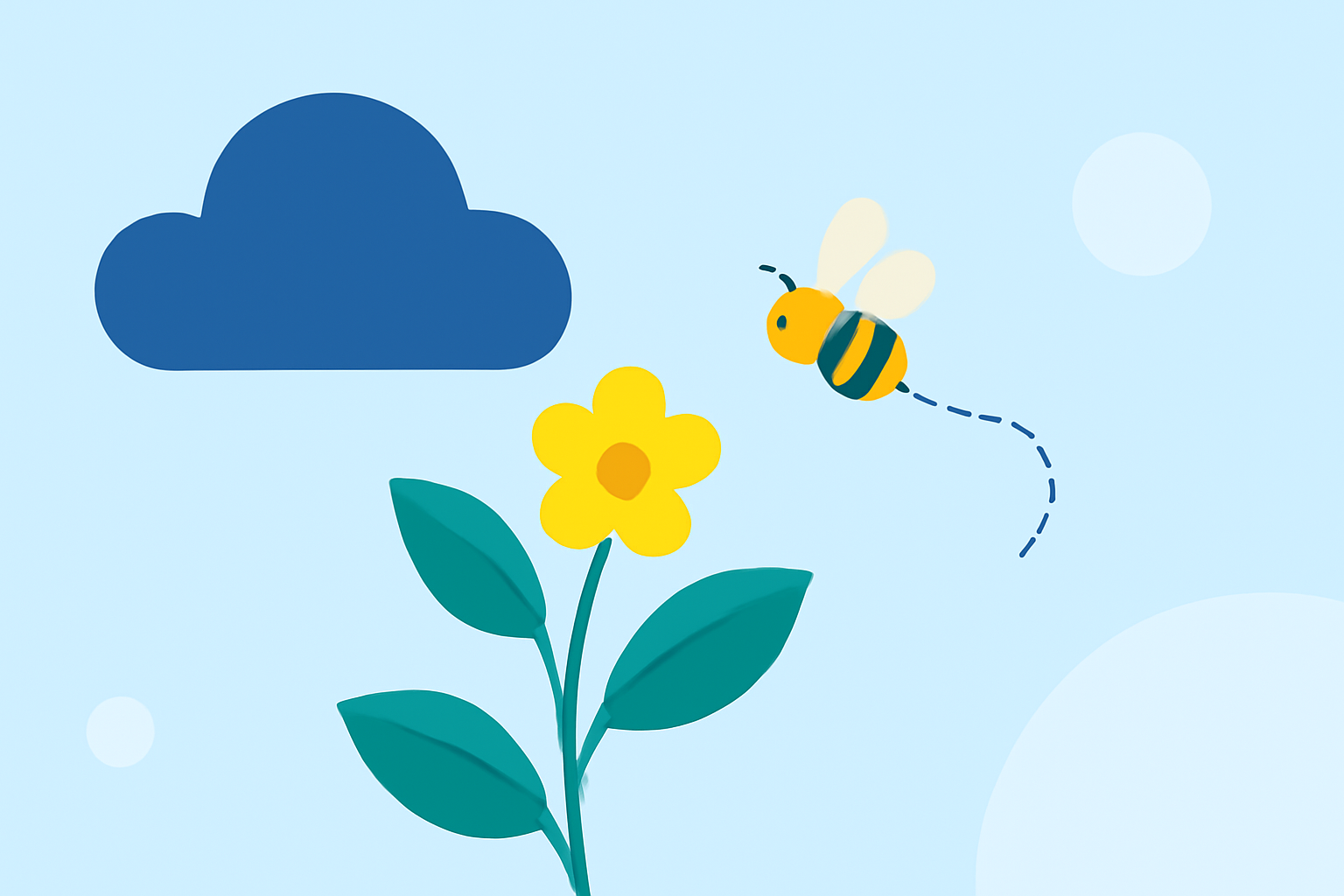
Pollination is a critical process for vegetable production, directly influencing fruit development and yield. During pollen season, various weather conditions can significantly impact pollination efficiency.
How Do Weather Conditions Affect Vegetable Pollination?
Optimal pollination occurs within specific temperature and humidity ranges. Deviations from these conditions can hinder pollination:
-
Temperature Extremes: High daytime temperatures (above 85°F) and low nighttime temperatures (below 55°F) can disrupt pollination, leading to flower drop and poor fruit set. (iowaspecialtycrop.org)
-
Humidity Levels: High humidity can cause pollen grains to clump together, reducing their ability to transfer effectively. (missouribotanicalgarden.org)
-
Wind and Rain: Strong winds can physically damage flowers, while excessive rainfall can wash away pollen, both negatively affecting pollination success.
How Does Clime Assist in Managing Pollination Challenges?
Clime offers advanced weather forecasting tools that provide real-time, hyper-local weather data, enabling gardeners to anticipate and mitigate adverse weather conditions affecting pollination. By accessing Clime's detailed forecasts, gardeners can make informed decisions about planting schedules, irrigation, and protective measures to optimize pollination outcomes.
What Are the Benefits of Using Clime's Weather Forecasting Tools?
-
Accurate Forecasts: Clime delivers precise, location-specific weather predictions, allowing gardeners to plan activities around optimal pollination conditions.
-
Timely Alerts: Receive notifications about impending weather events that could impact pollination, such as temperature extremes or high humidity periods.
-
Data-Driven Decisions: Utilize Clime's insights to adjust gardening practices, such as scheduling pollinator-friendly activities during favorable weather windows.
How Can Gardeners Optimize Pollination Using Clime's Tools?
-
Monitor Local Weather Trends: Regularly check Clime's forecasts to stay informed about upcoming weather patterns that may affect pollination.
-
Adjust Planting Schedules: Plan planting and flowering times to coincide with periods of favorable weather for pollination.
-
Implement Protective Measures: Use Clime's alerts to prepare for adverse weather by deploying shade cloths, windbreaks, or other protective strategies to safeguard pollinators and flowers.
By leveraging Clime's comprehensive weather data, gardeners can enhance pollination success, leading to healthier plants and more abundant harvests.
Highlights:
- Pollination of Vegetable Crops in a Changing Climate | University of Maryland Extension, Published on Sunday, July 27
- How excessive heat affects the vegetable garden | UMN Extension
- Pollination on fruit and vegetable farms | UMN Extension