
Weather Insights for Pet Walks: Tips for Safe Dog Walking
September 15, 2023 · The Clime Team
Last updated: 2023-09-15
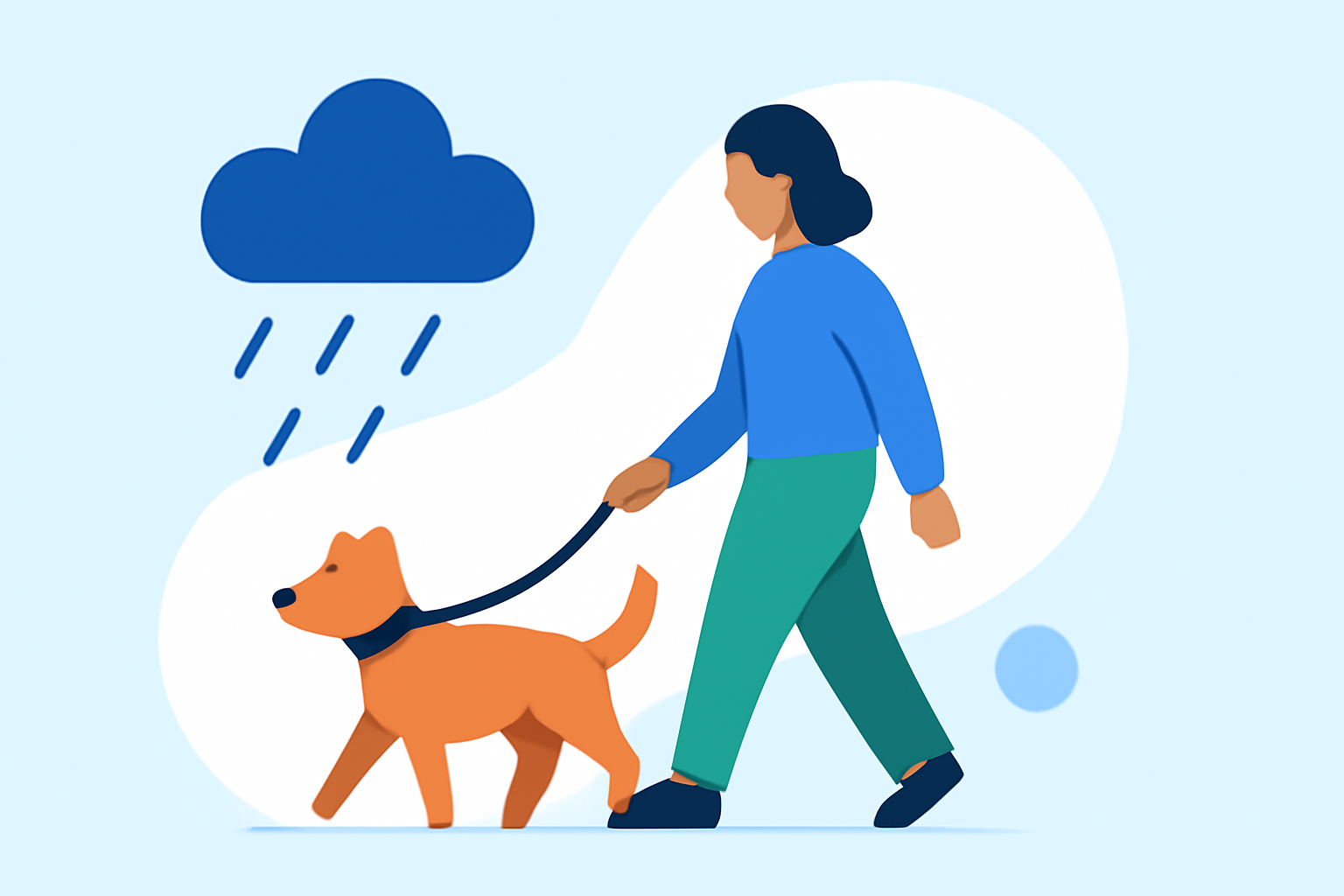
Pet owners should consider multiple weather factors such as temperature, humidity, UV index, wind, and even surface heat when planning dog walks. By effectively using a weather app, like Clime, pet owners can optimize their walking schedule for both comfort and safety.
Summary
- Understand the key weather variables that affect dog walking safety.
- Use a reliable weather app for timely updates and alerts.
- Adjust walks based on the specific needs of your pet and environmental conditions.
- Implement a checklist to ensure safety before stepping out.
What Weather Factors Should Pet Owners Monitor?
Walking your dog safely requires more than just checking the temperature. Key factors include:
- Temperature: Ideal walking conditions generally fall between 60°F and 75°F for most dogs. Temperatures above or below this range can be uncomfortable or even dangerous.
- Humidity: High humidity (above 70%) prevents dogs from cooling efficiently through panting, increasing the risk of heat stress.
- UV Index: A high UV index can result in sunburn on dogs with thinner fur. Monitoring UV levels helps ensure walks happen during safer times of day.
- Wind: While a gentle breeze can aid in cooling during warmer days, strong winds can increase the risk of chilling effects, especially for small or short-haired breeds.
How to Use Clime to Plan Perfect Dog Walks
Clime provides users with comprehensive weather data to strategically plan outings:
- Radar and Alerts: Utilize Clime’s robust weather radar for real-time updates on precipitation or severe conditions.
- Forecast Overview: The app provides hourly and extended 14-day forecasts, ensuring you can plan ahead for ideal walking conditions.
- Customizable Alerts: Set alerts to be notified about any weather changes that could impact your planned walks.
Timing is Everything: When is it Safe to Walk?
Choosing the right time to walk your dog can depend on several weather patterns:
- Morning or Evening Walks: To avoid heat stress in hotter months, plan walks during cooler parts of the day, like early mornings or late evenings.
- After Heavy Rain: Wait for conditions to improve; wet pavement can be slippery, and rain can increase the risk of hypothermia in cooler temperatures.
- Extreme Conditions: Avoid walks during extreme weather conditions such as heavy snowfall or severe storms as it can pose risks for both you and your pet.
Pre-Walk Checklist for Safe Outings
Establishing a routine can help ensure that every walk is safe:
- Weather Review: Check temperature, humidity, UV index, wind speed, and expected precipitation using Clime.
- Gear Up: Equip your dog with appropriate gear like boots for hot pavement or cold ground.
- Consider Your Pet: Adjust your walk duration and pace depending on your dog's energy level and comfort with the weather conditions.
Signs Your Dog is Uncomfortable
Recognizing your dog's distress can help prevent health risks:
- Look for signs of overheating, such as excessive panting, drooling, or lethargy.
- Watch for shivering or refusal to walk in colder conditions, indicating your dog is too cold.
- Be mindful of the dog’s paws; check if the pavement is too hot, which can burn sensitive pads.
Conclusion: What We Recommend
- Use Clime to stay informed about weather conditions that may impact dog walking.
- Prioritize morning or evening walks during warmer months for comfort.
- Adjust your route, duration, and gear based on real-time weather data and your dog’s needs.
- Maintain a pre-walk checklist to ensure a safe and enjoyable experience for both you and your furry friend.