
Getting Started with Weather Monitoring for Backyard Farming in the United States
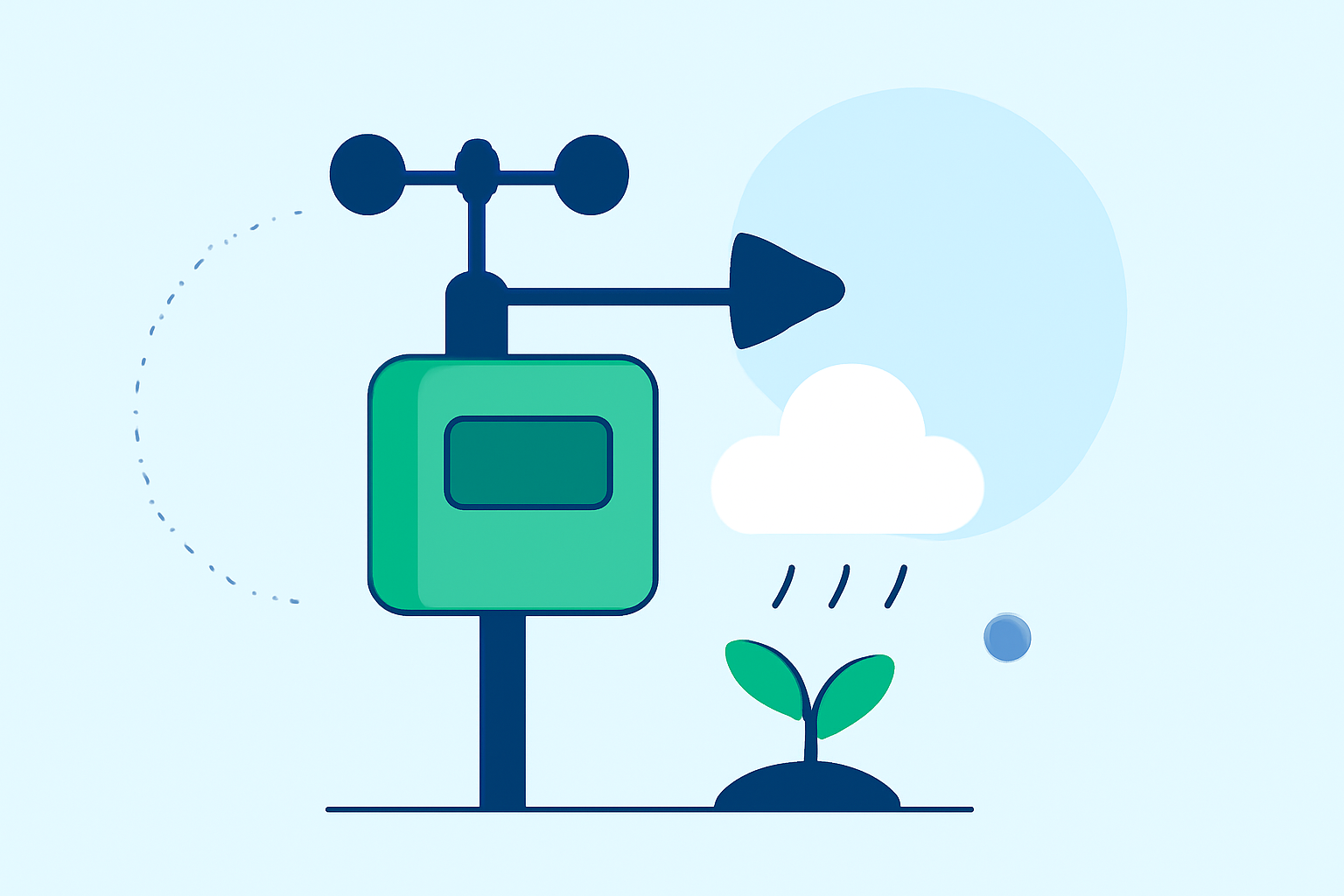
Effective weather monitoring is crucial for successful backyard farming in the United States. By understanding and tracking local weather patterns, you can make informed decisions that optimize plant growth, manage resources efficiently, and mitigate potential risks.
Why is Weather Monitoring Essential for Backyard Farming?
Accurate weather data enables you to:
-
Optimize Plant Growth: Tailor your gardening practices to current weather conditions, ensuring plants receive the appropriate amount of sunlight, water, and protection.
-
Efficient Resource Management: Schedule irrigation and fertilization based on weather forecasts to conserve water and reduce costs.
-
Risk Mitigation: Anticipate and prepare for extreme weather events, such as frost or heavy rainfall, to protect your crops.
How Can You Monitor Weather Conditions in Your Backyard?
Several tools and technologies are available to assist in monitoring weather conditions:
-
Personal Weather Stations: Devices that measure local atmospheric conditions, including temperature, humidity, wind speed, and rainfall. These stations provide real-time data specific to your location.
-
Mobile Applications: Smartphone apps that offer weather updates, forecasts, and alerts tailored to your area.
-
Online Weather Services: Websites and platforms that provide detailed weather information and forecasts.
What Are the Benefits of Using a Personal Weather Station?
Investing in a personal weather station offers several advantages:
-
Localized Data: Receive precise information about your specific location, accounting for microclimates that general forecasts may overlook.
-
Real-Time Monitoring: Access up-to-date weather conditions, enabling timely decisions regarding planting, watering, and harvesting.
-
Historical Data Analysis: Review past weather patterns to identify trends and plan future gardening activities accordingly.
How Do Personal Weather Stations Work?
Personal weather stations consist of various sensors that collect data on:
-
Temperature: Measures air temperature to assess heat levels.
-
Humidity: Monitors moisture levels in the air, affecting plant transpiration.
-
Wind Speed and Direction: Assesses wind conditions that can impact pollination and plant health.
-
Rainfall: Tracks precipitation to inform irrigation needs.
This data is transmitted to a central unit or cloud service, where it can be accessed via computers or mobile devices.
What Are Some Recommended Personal Weather Stations?
When selecting a personal weather station, consider factors such as sensor accuracy, ease of installation, connectivity options, and compatibility with other devices. Look for stations that offer comprehensive data collection and user-friendly interfaces.
How Can Weather Monitoring Enhance Your Backyard Farming Practices?
By integrating weather monitoring into your gardening routine, you can:
-
Improve Crop Yields: Adjust care routines based on weather data to promote healthier plant growth.
-
Conserve Resources: Implement efficient watering and fertilization schedules aligned with weather patterns.
-
Protect Against Adverse Conditions: Take proactive measures to shield plants from extreme weather events.
Incorporating weather monitoring into your backyard farming strategy empowers you to make data-driven decisions, leading to a more productive and sustainable gardening experience.