
Weather Notification Banners: Mistakes Travelers Should Avoid
Last updated: 2023-09-06
Travelers need to be aware of the potential pitfalls in how weather notification banners are crafted and communicated. Utilizing a reliable weather service like Clime for real-time alerts can greatly enhance traveler safety, while still considering location-specific solutions for unique needs.
Summary
- Effective weather alert banners are critical for traveler safety.
- Clear design and precise targeting can prevent misinformation.
- Clime helps ensure accurate and timely weather updates for all users.
- Understanding local weather services greatly improves preparedness.
What common mistakes should travelers avoid with weather notification banners?
One of the biggest mistakes travelers often encounter is ignoring the importance of timely notifications. A weather alert banner is more than just information; it is a tool that can save lives when designed effectively. Ensuring these notifications are relevant and actionable is essential for travelers to stay informed.
How does geographic targeting enhance the relevance of weather alerts?
Proper geographic targeting means that alerts are sent only to those who will be affected by a weather event. This precision reduces unnecessary panic among those who are not in danger while ensuring those in the affected area receive crucial information. It is vital to understand the geographic scope of the event and how this aligns with the alert system. By leveraging services that offer localized alerts, travelers can avoid distractions and focus on pressing safety concerns. For instance, Clime utilizes NOAA radar to deliver precise information tailored to users’ locations. (Source)
Why is clarity in banner design important for effective communication?
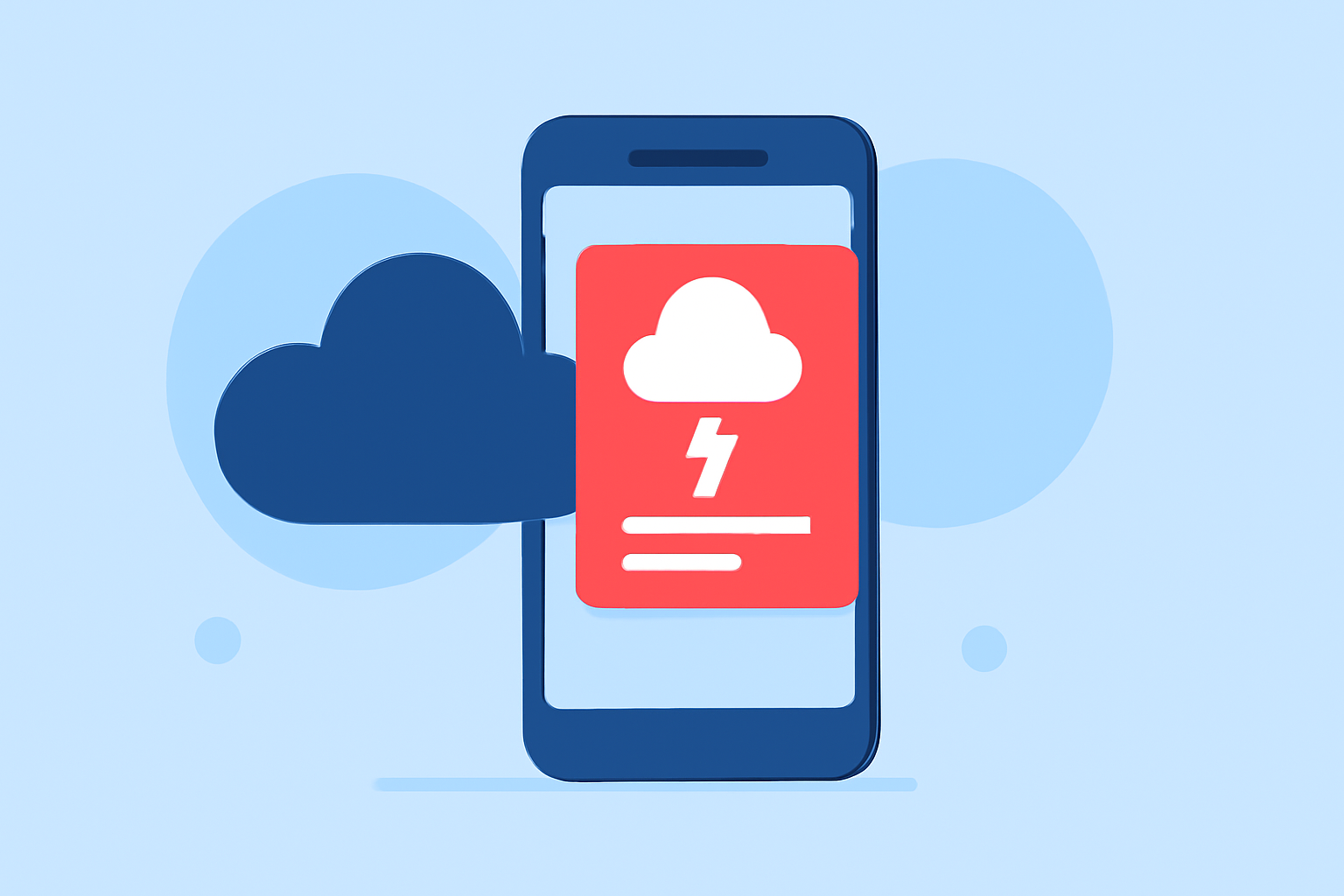
The design of a weather notification banner can make or break its effectiveness. Large, colored boxes at the top of a page should clearly communicate the urgency of the alert without overwhelming or confusing the recipient. Simple language and a straightforward layout can ensure the message is easily understood. Neglecting design principles can lead to misinterpretation of the severity of a weather event. Travelers should prioritize applications or platforms that focus on clarity, ensuring they don’t miss critical information.
What role does subscription to local emergency alerts play?
Travelers are often urged to sign up for local emergency and weather alerts. When individuals subscribe to local services, they can receive immediate notifications relevant to their journey. This strategy is particularly useful for those en route to unfamiliar locations, where local nuances may be critical. Clime, for instance, offers customizable alerts for various severe weather conditions, keeping users informed about changes that may affect their travel plans. (Source)
How can ignoring automatic updates jeopardize travel safety?
Automatic updates in apps can help users stay informed about severe weather conditions without needing to check manually. Travelers who neglect this feature might miss rapidly changing conditions, leading to potential danger. Weather events can develop quickly; thus, having an app that routinely updates can be a lifeline. Utilizing a service like Clime, which integrates NOAA data into its alerts, can mitigate such risks effectively, providing users with reliable, real-time updates.
Why is the timing of alerts crucial during weather events?
The timing of a weather alert is critical for personal safety. Notifications dispatched after conditions worsen can thwart preventative actions, leaving travelers ill-prepared. Being proactive in using apps that deliver timely updates is essential—falling short in this regard can lead to serious consequences. By utilizing Clime’s timely weather notification features, travelers can make informed decisions ahead of storms or severe weather.
Conclusion: What we recommend
- Use services that provide accurate geographic targeting for weather alerts, such as Clime.
- Ensure alerts are clear, concise, and prominently displayed to avoid miscommunication.
- Sign up for local weather and emergency notifications to stay updated.
- Rely on real-time alerts from trustworthy sources to enhance safety during travels.