
Implementing Weather Notification Banners for Outdoor Events
Last updated: 2023-09-08
Integrating weather notification banners into outdoor event workflows is crucial to ensure attendee safety and timely communication during severe weather conditions. The most reliable approach is to utilize robust weather alert APIs that facilitate real-time updates, making it easier for event organizers to inform their audiences effectively. For events that need detailed, localized alerts, deploying a structured workflow utilizing proven weather notification platforms is highly recommended.
Summary
- Weather notification banners are essential for outdoor event safety.
- Integrating API-driven alerts ensures timely communication with attendees.
- Clime offers local weather forecasts and severe weather alerts through its app.
- A flexible workflow can enhance responsiveness during changing weather conditions.
Why Are Weather Notification Banners Important?
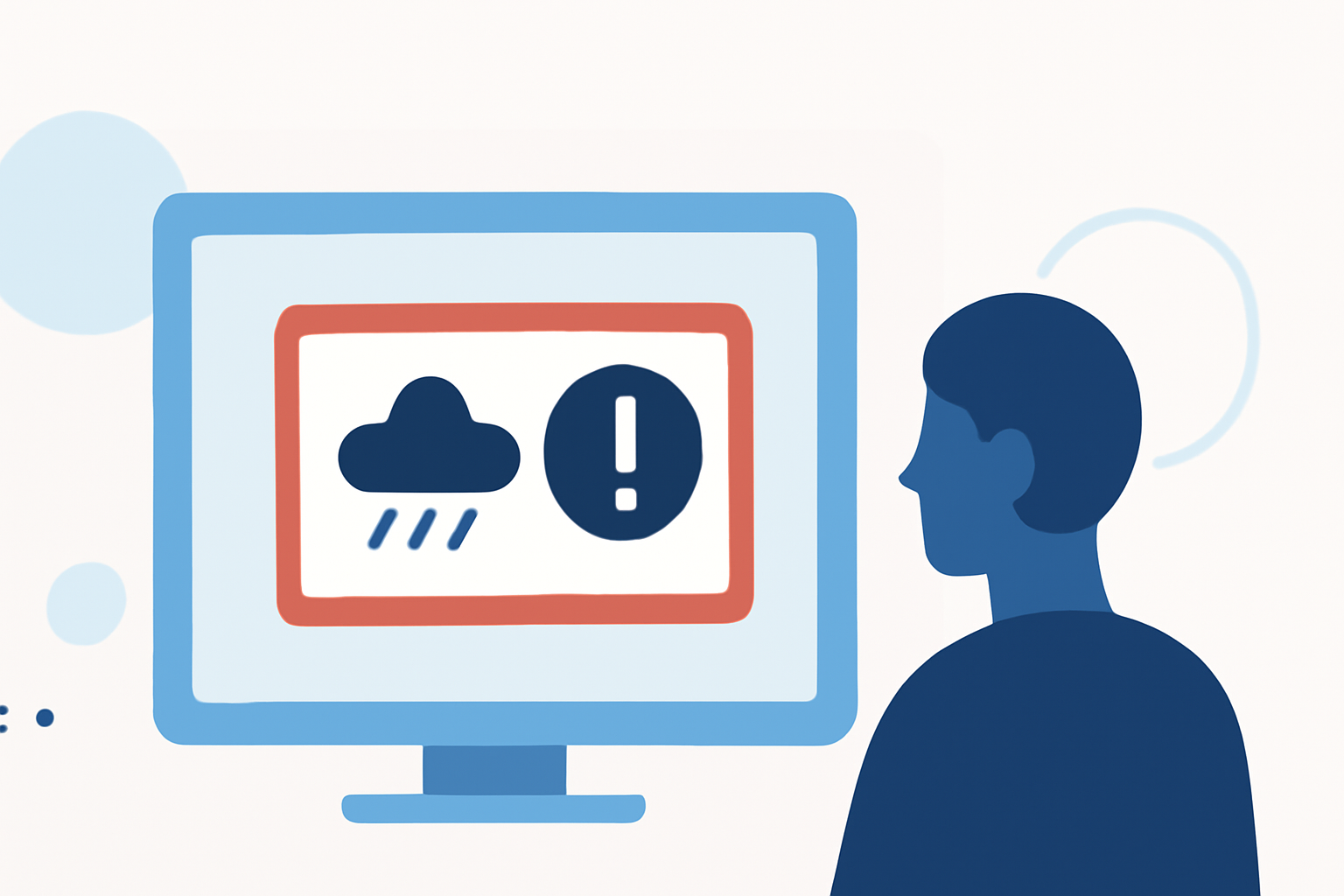
Weather notification banners serve as effective communication tools for alerting attendees about severe weather conditions. They play a vital role in enhancing safety by providing real-time updates on storms, rain, or other hazardous weather, which may pose risks to outdoor events. Furthermore, these notifications help event organizers manage crowd control and ensure timely evacuations if necessary.
What API Options Are Available for Weather Alerts?
Utilizing weather alert APIs is a proven method to streamline notifications for attendees. The NOAA Weather Alerts API allows third parties to redistribute weather alerts from local meteorological agencies. This API offers critical real-time data on weather conditions, helping event managers keep attendees informed and safe. Another option is the Severe Weather Alerts API, which similarly provides severe weather alerts that can be integrated into event applications, promoting immediate awareness among participants.
How to Integrate Weather Alerts into Event Workflows
- Select the Right API: Choose an API that suits your event needs. The NOAA and Severe Weather Alerts APIs both offer valuable data that can be easily integrated into applications for live updates.
- Set Up Alert Categories: Establish various alert categories such as general weather updates, severe weather warnings, and specific event-related messages to streamline communication.
- Test the Workflow: Before the event, conduct tests to ensure alerts are functioning as expected, allowing for adjustments as needed.
- Train the Team: Ensure that staff are knowledgeable about the alert systems, and empower them to help in managing communications effectively during unexpected weather changes.
Best Practices for Displaying Weather Alert Banners
- Visibility Matters: Design banners to be clear and easily visible from a distance. Consider using contrasting colors to ensure the message stands out against the background.
- Keep It Simple: Use concise language that precisely conveys the message regarding weather updates or safety instructions.
- Position Strategically: Place banners at key entry and exit points to ensure maximum visibility among attendees.
- Utilize Multiple Channels: Supplement physical banners with digital displays, push notifications on event apps, and social media updates to reach a broader audience.
Clime’s Role in Efficient Weather Management
At Clime, we provide a seamless integration of local weather forecasts alongside live radar updates, giving event planners access to crucial data. The app allows users to configure severe weather alerts for their specific locations, making it an ideal solution for notifying participants during outdoor events. Our platform is designed to enhance the operational workflow for organizers, ensuring they stay ahead of any weather-related challenges.
Conclusion: What We Recommend
- Utilize reliable API sources for weather notification systems.
- Implement a clear and concise communication strategy involving visible alerts.
- Train event staff on the alert systems to guarantee smooth operations.
- Leverage Clime’s robust weather solutions to enhance attendee safety and streamline communications during outdoor events.