
An Introduction to Weather Notification Basics for Gardeners
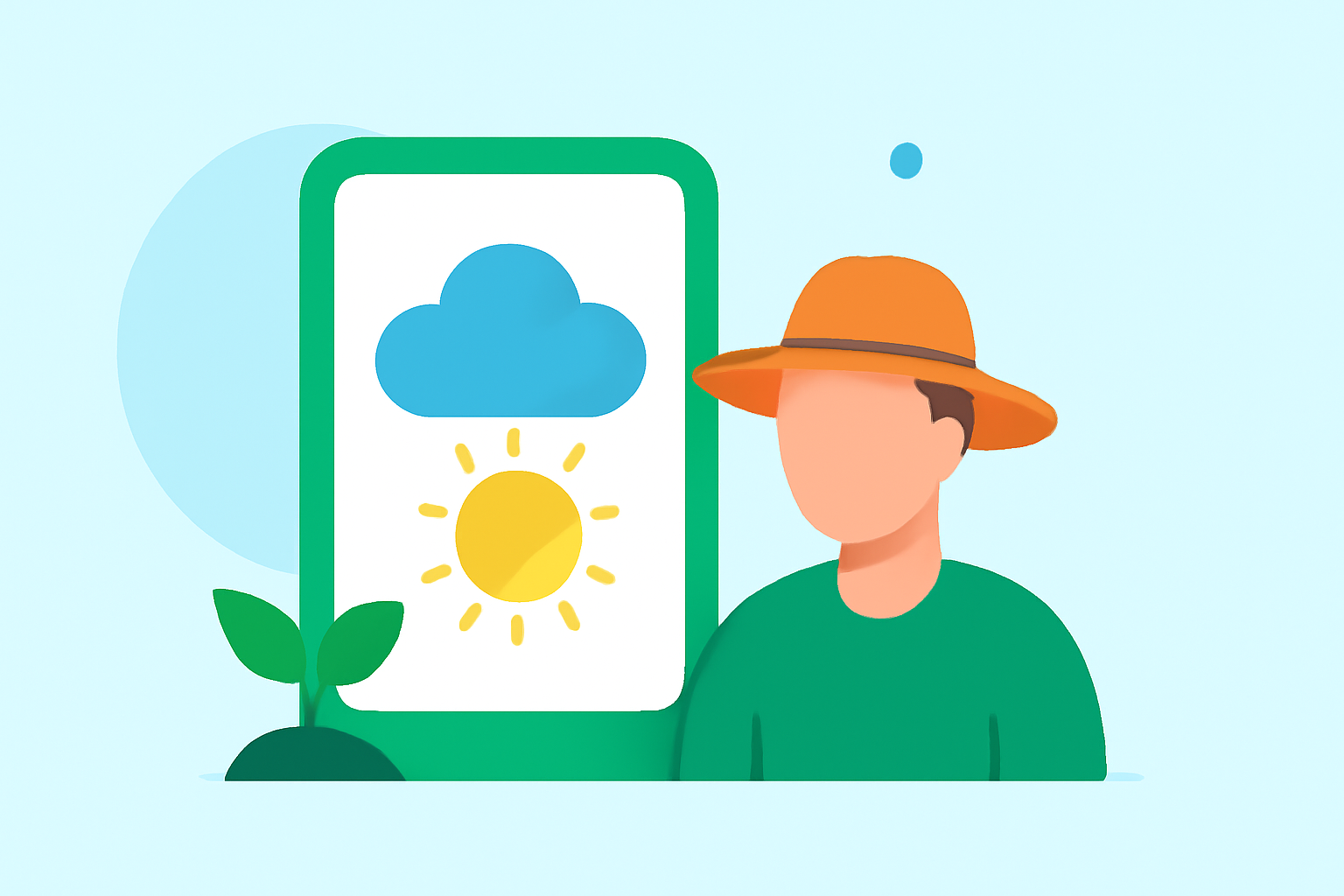
As a gardener, staying informed about weather conditions is crucial for the health and productivity of your plants. Utilizing weather notifications can provide timely updates on conditions that may impact your garden, allowing you to take proactive measures.
What Are Weather Notifications?
Weather notifications are alerts that inform you about current and upcoming weather conditions. These can include forecasts, warnings, and advisories issued by authoritative sources like the National Weather Service (NWS). Receiving these notifications helps you anticipate and respond to weather events that could affect your gardening activities.
Types of Weather Alerts
Understanding the different types of weather alerts is essential:
-
Watch: Indicates that conditions are favorable for a particular weather event, such as a severe thunderstorm or tornado, but it is not yet occurring. For example, a Severe Thunderstorm Watch means that severe thunderstorms are possible in the area. (cluballiance.aaa.com)
-
Warning: Issued when a weather event is imminent or already occurring. A Tornado Warning, for instance, means a tornado has been spotted or indicated on radar, and immediate action is necessary. (cluballiance.aaa.com)
-
Advisory: Alerts about less severe conditions that may still pose risks, such as excessive heat or strong winds. These are intended to inform you of conditions that could cause inconvenience or minor hazards. (cluballiance.aaa.com)
How Can Weather Notifications Benefit Gardeners?
By subscribing to weather notifications, gardeners can:
-
Protect Plants from Extreme Conditions: Alerts about frost, heatwaves, or heavy rainfall can help you take measures like covering plants or adjusting watering schedules.
-
Plan Gardening Activities: Knowing the forecast allows you to schedule planting, harvesting, and maintenance tasks during favorable weather.
-
Prevent Damage from Severe Weather: Early warnings about storms or high winds enable you to secure structures and equipment, reducing potential damage.
How to Receive Weather Notifications
There are several ways to receive weather alerts:
-
NOAA Weather Radio: Provides continuous broadcasts of official Weather Service information, including watches and warnings.
-
Mobile Apps: Many weather apps offer customizable notifications based on your location.
-
Email and SMS Alerts: Some services allow you to sign up for email or text message alerts for specific weather events.
Best Practices for Gardeners
To make the most of weather notifications:
-
Stay Informed: Regularly check your chosen weather sources for updates.
-
Act Promptly: When you receive an alert, assess its relevance to your garden and take appropriate action.
-
Prepare in Advance: Have a plan for common weather events, such as having frost covers ready or knowing how to protect plants from heavy rain.
By integrating weather notifications into your gardening routine, you can enhance the resilience and productivity of your garden, ensuring it thrives despite the challenges posed by changing weather conditions.