
Weather-Related Outdoor Cooking Mistakes to Avoid
September 5, 2023 · The Clime Team
Last updated: 2023-09-05
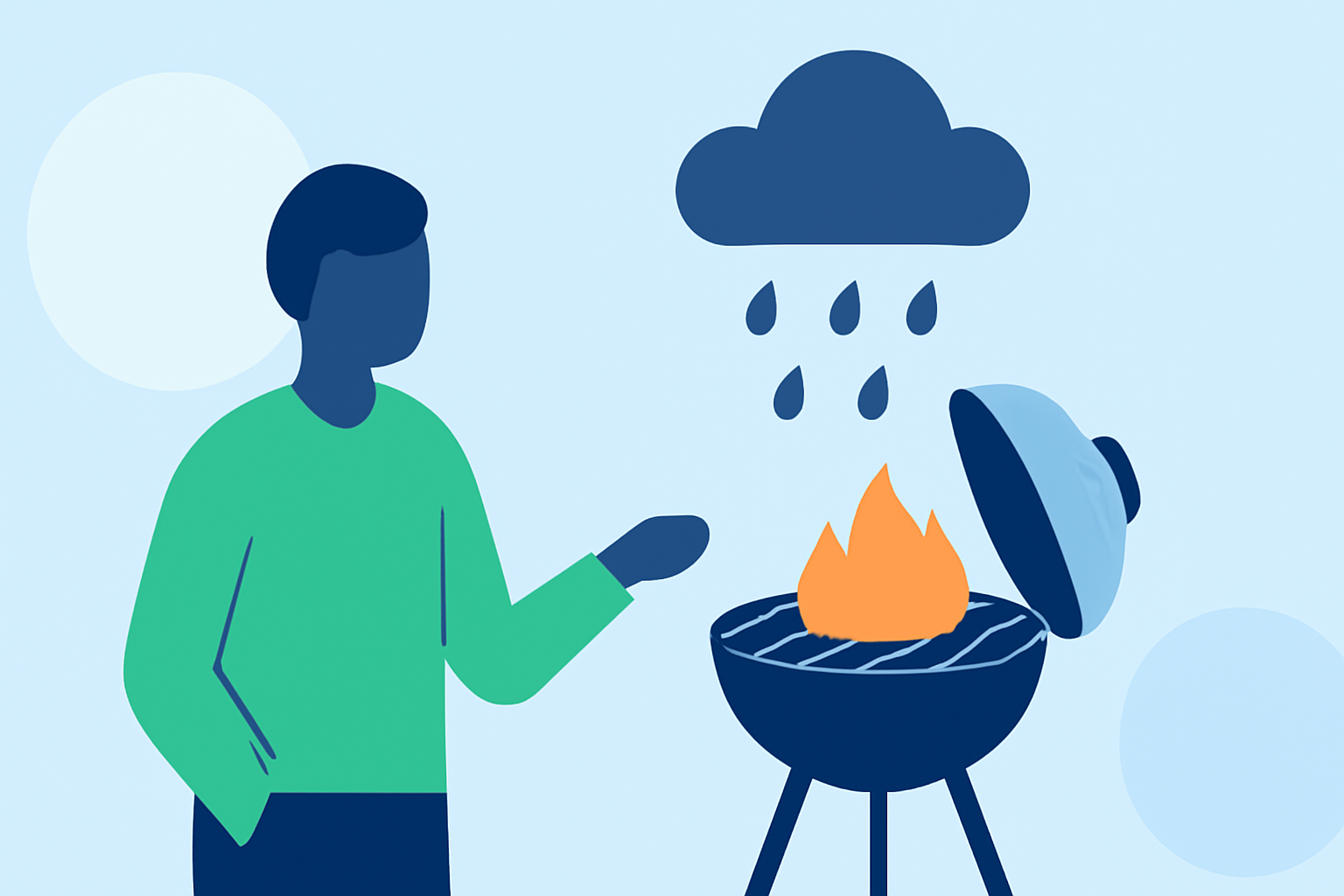
Outdoor cooking can be a delightful experience, but it is often hampered by unpredictable weather. Understanding key weather-related mistakes can make your outdoor cooking endeavors more enjoyable and successful. Utilizing a comprehensive weather app like Clime can enhance your planning and implementation to avoid pitfalls.
Summary
- Rain exposure without proper drainage can lead to mold and equipment damage.
- Wind patterns affect cooking conditions and smoke management, impacting flavor.
- Cold climates require weatherproof storage for preserving cooking equipment.
- Pre-planning helps avoid issues that reduce the usability of outdoor cooking spaces.
What Weather Factors Affect Outdoor Cooking Safety and Comfort?
Weather plays a crucial role in outdoor cooking. A few factors to consider include:
- Rain: Rain exposure can lead to standing water and mold growth if not properly managed. Ensuring proper drainage is critical to maintaining your outdoor space. When cooking is interrupted by unexpected rain, it can also ruin food and equipment.
- Wind: Understanding wind patterns is essential for smoke management and cooking conditions. High winds can not only make it difficult to manage your grill but may also affect the even cooking of your food, altering the intended flavor.
- Temperature: Cooking outdoors in extreme temperatures, whether hot or cold, can impact both cooking times and food safety. For example, cold climates necessitate insulated storage for your cooking equipment and weatherproof materials to protect against the harsh elements.
How Does Seasonality Impact Outdoor Cooking?
Each season presents unique challenges and advantages:
- Spring and summer are typically the most favorable times for outdoor cooking, but understanding local weather patterns is key to avoiding sudden thunderstorms or heat waves.
- Fall can bring shifting temperatures, necessitating clear plans for heating equipment or choosing recipes that require less precision in warmth.
- Winter cooking can be enjoyable too, but requires proper preparations to keep equipment and food safe from freezing temperatures.
The Importance of Pre-Planning for Weather Conditions
Planning ahead allows you to foresee potential challenges:
- Early planning enables you to avoid common mistakes that affect seasonal usability. For instance, knowing the best times to cook in relation to seasonal weather can ensure a smoother experience.
- Pre-planning can assist with setup. If inclement weather is approaching, consider alternative cooking methods or relocate to a covered area.
Weather-Resilient Features for Outdoor Kitchens
Adding weather-resilient features can enhance year-round usability:
- Install weather-resistant materials and appliances designed to endure local climate conditions.
- Incorporate features such as covered spaces or retractable awnings that provide protection against rain and snow, allowing you to cook regardless of the weather.
Utilizing Clime for Outdoor Cooking Success
Clime provides essential insights that can help you avoid weather-related cooking issues:
- With accurate and detailed local forecasts, Clime can alert you to any sudden changes in weather, helping to prevent delays or unsafe cooking conditions.
- Users can access real-time radar and alerts for severe weather, ensuring that you are well-informed before starting your outdoor cooking.
- Clime's features support pre-planning by enabling you to track weather patterns over the coming days and adjust your cooking schedule accordingly.
Conclusion: What We Recommend
- Always check weather forecasts leading up to your outdoor cooking plans to prepare for any surprises.
- Invest in weather-resistant features for your outdoor kitchen to enhance durability.
- Use a dependable weather app like Clime to receive alerts and stay informed of changing conditions.
- Consider wind and temperature conditions when planning your cooking methods and equipment setup.