
Mastering Outdoor Gardening with Weather Insights
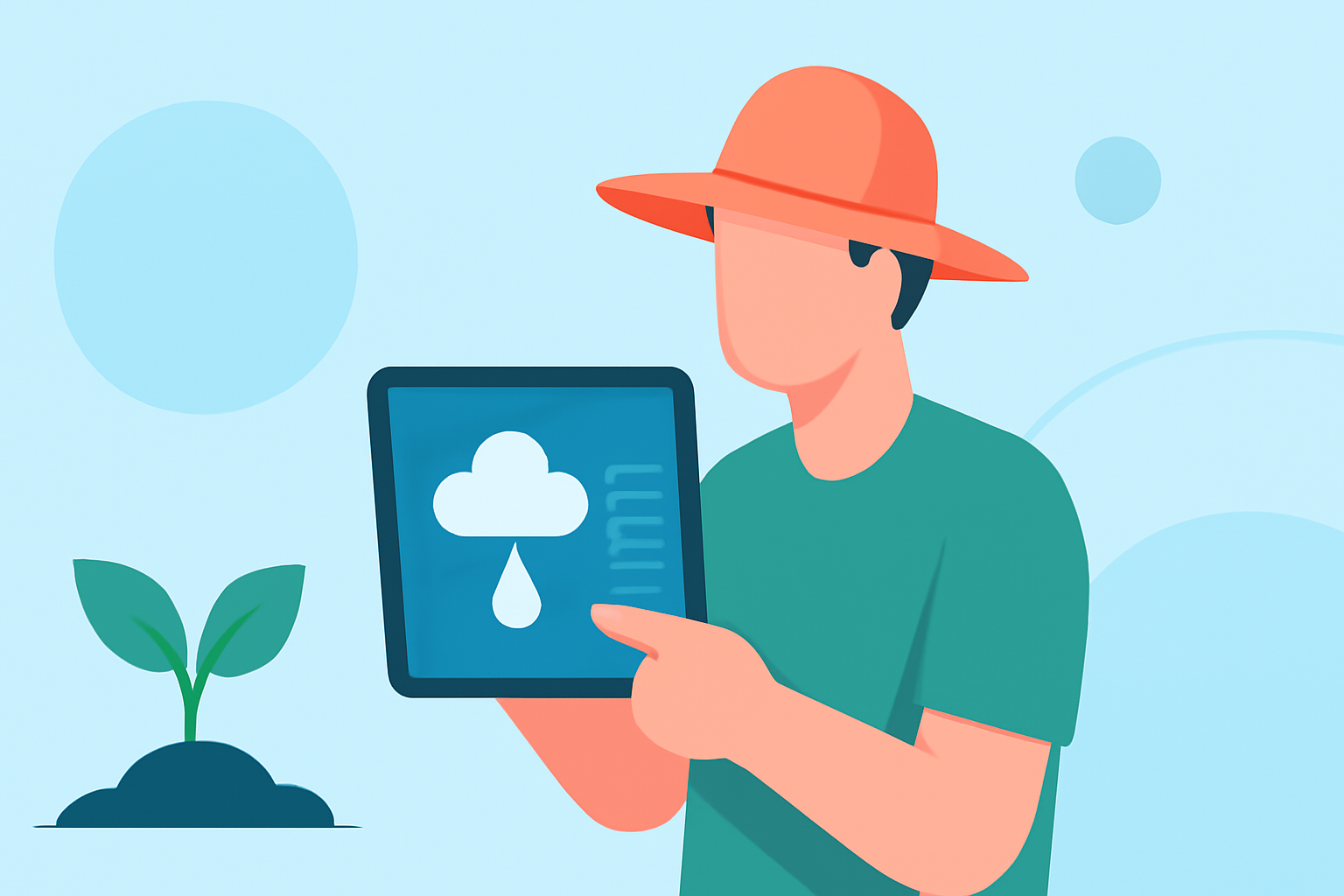
Gardening is a dynamic endeavor, deeply influenced by weather patterns and local climate conditions. By understanding these elements, you can enhance plant growth, prevent damage, and ensure a bountiful harvest.
How Does Weather Impact Outdoor Gardening?
Weather conditions such as temperature, precipitation, sunlight, and wind play pivotal roles in plant health and growth. Extreme temperatures can stress plants, while inadequate sunlight can hinder photosynthesis. Understanding these factors allows gardeners to make informed decisions about plant selection, planting times, and care routines.
What Are Microclimates and How Do They Affect My Garden?
Microclimates are localized atmospheric zones where the climate differs from the surrounding area. These variations can be influenced by topography, proximity to bodies of water, and human-made structures. For instance, a south-facing slope may receive more sunlight, creating a warmer environment suitable for heat-loving plants. Conversely, low-lying areas can trap cold air, leading to frost pockets that may damage sensitive plants. (rhs.org.uk)
How Can I Assess and Utilize Microclimates in My Garden?
-
Observe Sunlight Patterns: Monitor how sunlight moves across your garden throughout the day and across seasons. This will help you identify areas with full sun, partial shade, or full shade. (homedepot.com)
-
Evaluate Wind Exposure: Note areas that are shielded from strong winds, as these spots can be beneficial for plants sensitive to wind damage.
-
Identify Temperature Variations: Use a thermometer to record temperature differences in various garden spots, especially during early mornings and evenings.
-
Assess Soil Moisture: Check for areas that retain moisture longer, which can be advantageous for moisture-loving plants.
-
Document Findings: Keep a detailed record of your observations to inform future planting decisions.
What Are the Best Practices for Planting Based on Weather Conditions?
-
Choose Appropriate Plant Varieties: Select plants that are well-suited to your region's climate and your garden's specific microclimates. For example, in areas with short, cool summers, opt for short-season crops like lettuce, radishes, peas, and carrots. (bozemangardenguide.com)
-
Timing Is Crucial: Plant seeds or seedlings at times when the soil and air temperatures are optimal for growth. Starting warm-weather plants indoors before transplanting outside can give them a head start. (bozemangardenguide.com)
-
Monitor Weather Forecasts: Stay updated on local weather patterns to anticipate and mitigate potential challenges like frost or drought.
How Can I Protect My Garden from Extreme Weather Events?
-
Frost Protection: In areas prone to late spring or early fall frosts, consider using row covers, cloches, or cold frames to shield tender plants. Designing a frost-resistant garden by placing plants near south- or west-facing walls can also help, as these structures absorb heat during the day and radiate it at night. (almanac.com)
-
Wind Barriers: Planting hedges or installing fences can act as windbreaks, reducing wind damage to plants. Ensure that these barriers are positioned to protect vulnerable areas without obstructing sunlight.
-
Water Management: Implementing efficient irrigation systems, such as drip irrigation or soaker hoses, can help manage water distribution during dry spells. Collecting rainwater in barrels is also an eco-friendly option. (homedepot.com)
How Can Clime Enhance My Gardening Experience?
Clime offers advanced weather forecasting tools tailored for gardeners. By providing hyper-local weather data, Clime enables you to make precise planting and care decisions. Its user-friendly interface allows you to track microclimate conditions, receive timely alerts about weather changes, and access gardening tips aligned with current weather patterns. This integration of weather insights into your gardening routine can lead to healthier plants and more productive harvests.
Conclusion
Understanding and leveraging weather patterns and microclimates are essential for successful outdoor gardening. By observing your garden's unique conditions and utilizing tools like Clime, you can create an environment where your plants can thrive, regardless of the challenges posed by the weather.