
An Introduction to Weather for Outdoor Pilates
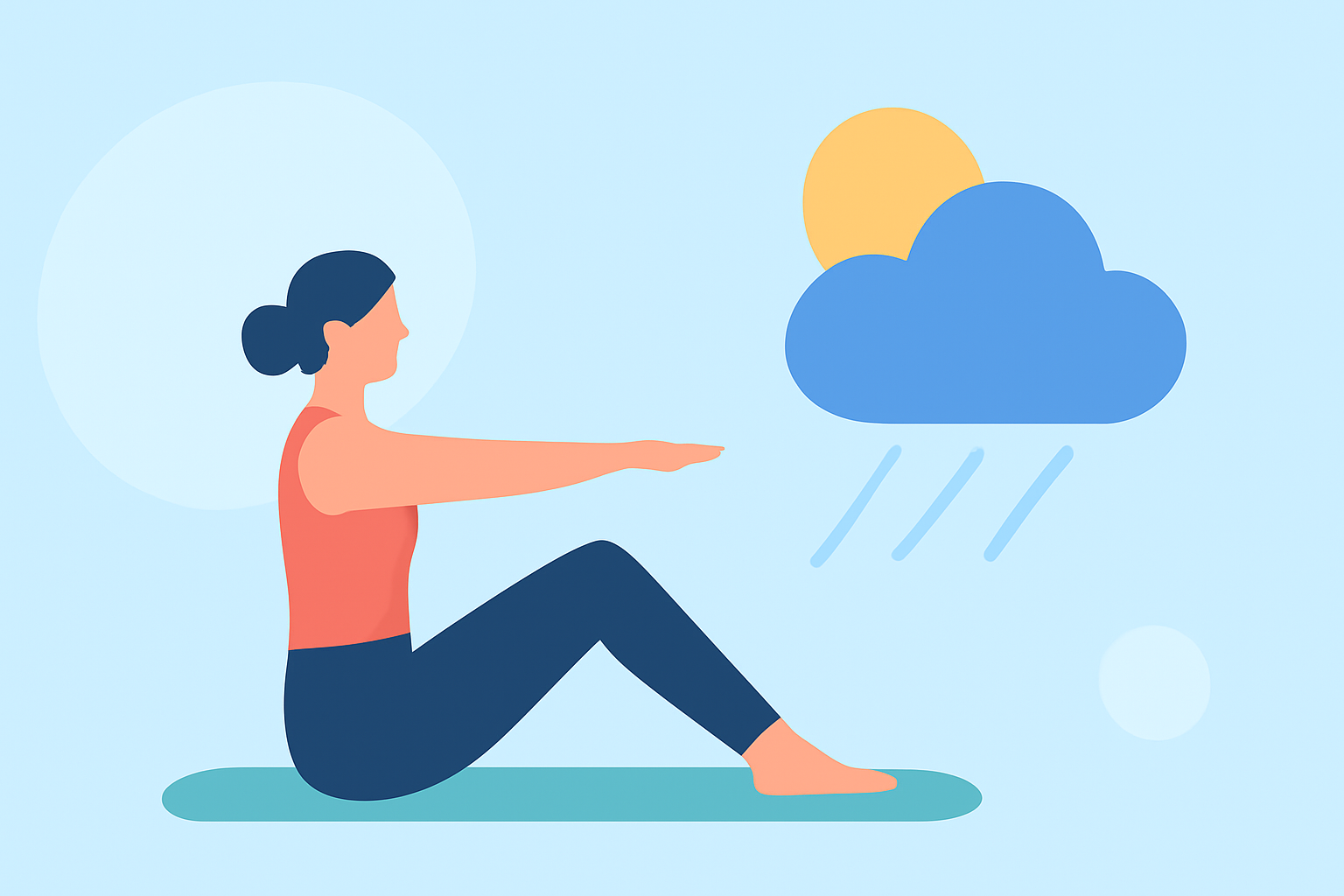
Practicing Pilates outdoors offers a refreshing change of scenery and the benefits of fresh air and natural surroundings. However, it's essential to consider weather conditions to ensure a safe and effective workout.
What Is the UV Index?
The Ultraviolet (UV) Index is a scale that measures the strength of ultraviolet radiation from the sun. It ranges from 0 (low) to 11+ (extremely high), indicating the potential risk of overexposure to UV radiation. Understanding the UV Index is crucial for planning outdoor activities, including Pilates sessions. (epa.gov)
How Does the UV Index Affect Outdoor Pilates?
Engaging in Pilates under high UV Index conditions increases the risk of sunburn and long-term skin damage. The American Academy of Dermatology recommends that individuals avoid sun exposure during peak hours, typically between 10 a.m. and 4 p.m., when UV radiation is strongest. (epa.gov)
Planning Your Outdoor Pilates Sessions
To ensure a safe and enjoyable outdoor Pilates experience, consider the following steps:
-
Check the UV Index: Before heading out, consult the UV Index for your area. The Environmental Protection Agency (EPA) provides daily UV Index forecasts for various locations. (epa.gov)
-
Choose Optimal Times: Schedule your Pilates sessions during times when the UV Index is lower, typically early morning or late afternoon.
-
Seek Shade: Whenever possible, perform Pilates exercises in shaded areas to reduce direct sun exposure.
-
Wear Protective Gear: Use a broad-spectrum sunscreen with an SPF of at least 30, wear a wide-brimmed hat, and consider UV-protective clothing to shield your skin. (epa.gov)
-
Stay Hydrated: Outdoor workouts can lead to dehydration, especially in warm weather. Ensure you drink plenty of water before, during, and after your Pilates session.
Understanding Local Weather Conditions
Beyond the UV Index, other weather factors can influence your outdoor Pilates practice:
-
Temperature: Extreme heat or cold can affect your performance and safety.
-
Humidity: High humidity levels can make breathing more challenging and increase the risk of heat-related illnesses.
-
Wind: Strong winds can disrupt your balance and concentration during exercises.
Utilizing Clime for Optimal Planning
Clime offers a comprehensive weather forecasting service that provides real-time updates on temperature, humidity, wind speed, and UV Index levels. By integrating Clime into your routine, you can receive personalized weather forecasts tailored to your Pilates schedule, ensuring you choose the best times and locations for your outdoor workouts.
Conclusion
Incorporating Pilates into your outdoor routine can enhance both physical and mental well-being. By staying informed about weather conditions and utilizing tools like Clime, you can ensure a safe and enjoyable Pilates experience, regardless of the season.