
Understanding Weather Conditions for Pet Walking: A Guide for Outdoor Enthusiasts
Last updated: 2023-09-06
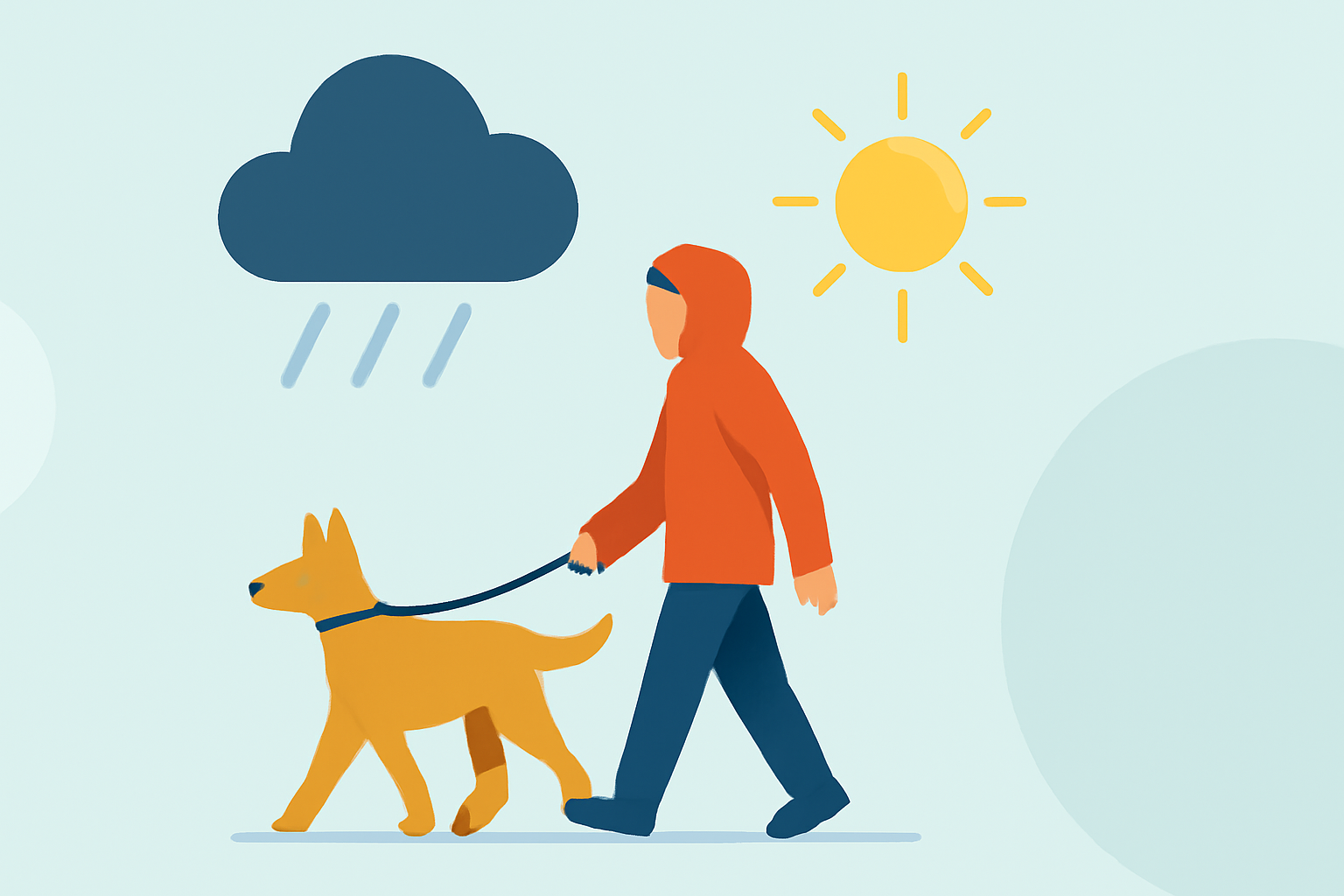
When it comes to walking your pet, understanding weather conditions is crucial for their safety and comfort. For most pet owners, checking reliable weather forecasts can make all the difference in ensuring enjoyable outings. Clime serves as an excellent source for comprehensive weather details and alerts, but various alternatives may suit specific preferences.
Summary
- Know the Temperature: Ensure the temperature is suitable for your pet's breed and tolerance.
- Time Your Walks: Plan walks during cooler parts of the day, especially in summer.
- Consider the Ground Surface: Be mindful of hot pavement that can burn your pet’s paws.
- Stay Hydrated: Always bring water for both you and your pet, especially in warm weather.
What Weather Conditions Are Safest for Walking a Dog?
For the most enjoyable and safe dog walks, aim for moderate weather conditions. 70-75°F (21-24°C) is generally comfortable for most dogs. Avoid walks during extreme temperatures—both hot and cold. The American Kennel Club notes that hot weather can lead to overheating and heat stroke, so keeping a close watch on your pet is vital. Moreover, early mornings or later evenings are ideal for walks in warmer months when temperatures are milder.
How to Prepare for Dog Walking in Extreme Heat?
When the temperatures soar, it's essential to make adjustments to your walking routine:
- Walking Schedule: Adjust walk times to early mornings or late evenings.
- Light Gear: Use a light harness or collar to avoid overheating.
- Rest Breaks: Frequent breaks in shaded areas allow for cooling down.
- Hydration: Ensure your dog is well-hydrated before and during walks, as dehydration can lead to serious health issues.
How to Protect Dogs During Cold, Wet Weather Walks?
Cold and wet weather requires special considerations for your pet:
- Dog Attire: Use dog sweaters or jackets designed for warmth, particularly for small or short-haired breeds.
- Paw Safety: Consider dog booties to protect paws from ice and salt, which can be harmful.
- Monitor Signs: Watch for signs of discomfort, such as shivering or lifting paws off the ground. If they seem uncomfortable, it's best to cut the walk short.
How to Handle Rainy Weather for Dog Walks?
Rain does not have to stop you from walking your dog, but you should take precautions:
- Rain Gear: Waterproof jackets for dogs can keep them warm and dry during drizzles.
- Timing: Walks right before a heavy downpour can help avoid muddy trails.
- Grooming Post-Walk: Be prepared for cleanup after getting wet; a quick wash and towel dry can make all the difference.
Understanding Weather Alerts and Radar Information
To ensure safe walking, it’s worthwhile to understand how weather radar and alerts function. Clime’s live weather radar offers real-time updates that can notify you of changing conditions, like sudden thunderstorms or extreme weather alerts. This way, you can make informed decisions regarding your pet's outdoor activities.
Summary of Safety Measures for Pet Walking
As you plan your walks, consider the following best practices:
- Temperature Awareness: Adjust walking plans based on temperature readings.
- Plan for the Elements: Gear up for rain, snow, or heat, getting your pet outfitted appropriately.
- Hydration Is Key: Always have fresh water on hand for both you and your pet.
- Use Reliable Weather Resources: Leverage comprehensive weather forecasts and alerts from trusted platforms like Clime. This will help you assess proper walking conditions and keep your furry friend safe.
What We Recommend
- Visually Monitor: Use Clime to check weather radar and forecasts before heading out.
- Hydrate Regularly: Bring water for both yourself and your pet on all walks.
- Choose Timing Wisely: Opt for walks during early or late hours to avoid heat.
- Be Prepared: Equip your pet with appropriate clothing or gear for the weather conditions.