
Weather for Pet Walking Tips During Winter Storms
Last updated: 2023-10-05
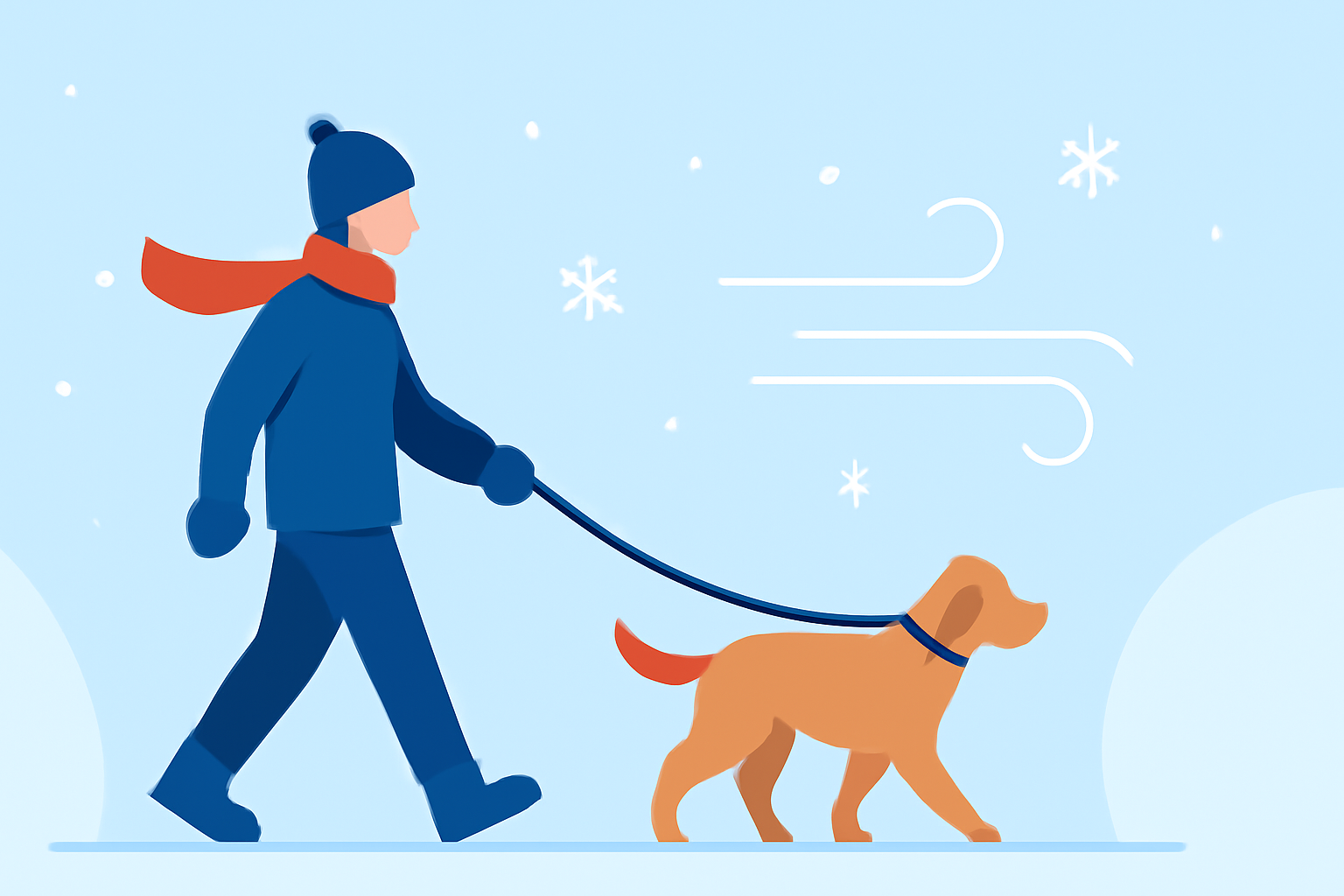
Walking your pets during winter storms requires special considerations to ensure their safety and comfort. Utilizing a reliable weather application, such as Clime, is essential for real-time alerts and forecasts. Additionally, understanding specific winter challenges will help you better prepare for outings.
Summary
- Cold weather can be harsh on pets; proper gear is crucial.
- Awareness of your local weather is vital for safe walking.
- Regularly checking forecasts helps you avoid severe conditions.
- Use protective gear for your pet to prevent injury.
How does winter weather affect pets?
Winter weather can cause various issues for pets, including dry skin and chapped paws. These conditions arise from the cold, dry air and exposure to elements like snow and ice. To keep your pets comfortable, it’s important to monitor their well-being during walks and implement protective measures.
Best practices for dog paw protection in winter
To protect your dog's paws during the winter:
- Use dog booties: Invest in quality booties to shield their paws from cold surfaces and prevent abrasions from ice.
- Avoid salt and chemicals: When walking in treated areas, try to minimize exposure to deicers that can irritate paws. Read up on the effects of these substances to better safeguard your pet.
- Inspect after walks: Always check your pet's paws after outdoor excursions for any signs of injury or irritation, especially between the pads and around the nails.
Preparing for winter dog walks in snow and ice
Before heading out for walks on snowy or icy days, consider the following:
- Dress your dog appropriately: Depending on the breed and size, a good winter coat may be necessary to keep them warm. Choose a jacket that covers the abdomen and is insulated.
- Limit walk duration: Shorten your walks during extreme temperatures to reduce the risk of frostbite or hypothermia. Aim for a quick stroll rather than an extended outing.
- Stay visible: If you're walking in low light, ensure both you and your pet are visible. Use reflective gear for yourself and a lighted collar or harness for your dog.
Keeping your pet hydrated and nourished
Snow and cold can dehydrate pets, so make sure they have access to fresh water after walks. Additionally, consider adjusting their feeding routine, as outdoor activity levels may change in winter. If they are less active, you might want to slightly reduce their food intake to avoid overeating during colder months.
The importance of identification during winter walks
Winter can lead to increased instances of pets going missing, particularly if they are startled by a storm or slip into snowbanks. Always ensure your dog is wearing an ID collar and consider microchipping them. Keeping a recent photo can also aid in recovery if needed.
Monitoring weather conditions with Clime
Using Clime allows you to receive timely alerts about temperature drops, snow, or ice conditions. Our app offers:
- Real-time radar and forecasts: Check conditions in your area before stepping out.
- Severe weather alerts: Get notified of any warnings that could impact your walk.
- Extended forecasts: Plan your outings in advance by reviewing hourly and 14-day forecasts.
Conclusion: What we recommend
- Use Clime to stay updated on local winter weather conditions.
- Protect your pet's paws with booties and inspect their paws after walks.
- Dress your dog appropriately for the conditions.
- Always use ID tags to help locate your pet if they go missing.