
Weather and Pollen: Essential Tips for Commuting During Allergy Season
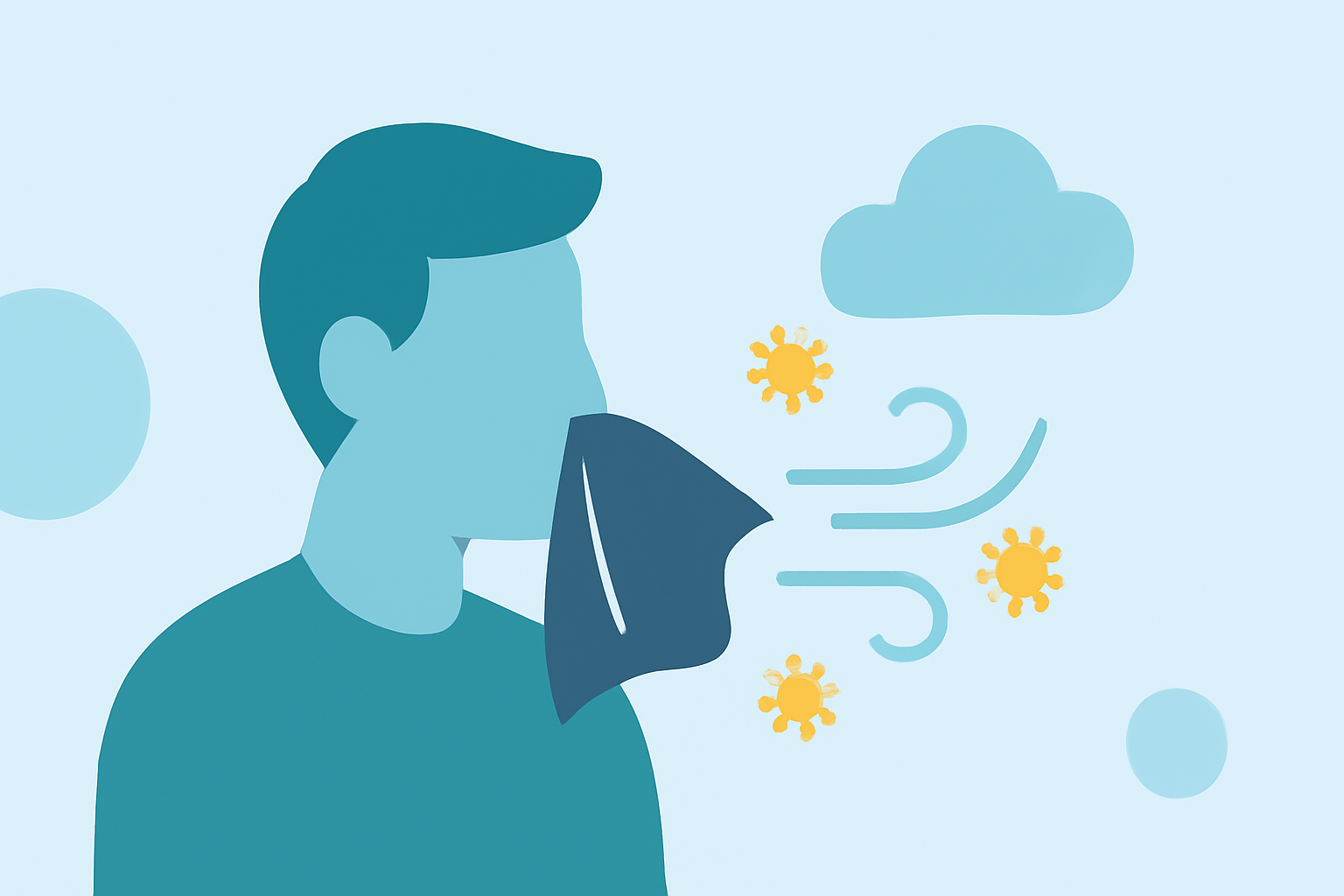
Commuting during pollen season can be challenging for those sensitive to allergens. Understanding how weather influences pollen levels and implementing proactive strategies can significantly alleviate discomfort.
How Does Weather Affect Pollen Levels?
Pollen counts are influenced by various weather conditions:
-
Wind: Breezy days can disperse pollen over larger areas, increasing exposure.
-
Rain: Rain can temporarily reduce pollen levels by washing pollen from the air. However, after rain, plants may release more pollen, leading to higher counts. (weather.com)
-
Temperature: Warm temperatures can accelerate pollen release, while cooler temperatures may slow it down.
-
Humidity: High humidity can weigh pollen down, reducing airborne levels, but moderate humidity can promote pollen release. (pollen.day)
When Are Pollen Levels Highest?
Pollen levels typically follow a daily pattern:
-
Morning (5–10 a.m.): Pollen counts are usually highest as plants release pollen with the warming air.
-
Midday to Early Evening: Levels often decrease, providing a window of lower exposure.
Planning outdoor activities during these lower pollen periods can help minimize allergy symptoms. (pollen.day)
Tips for Commuting During High Pollen Days
-
Check Pollen Forecasts: Use reliable sources to monitor daily pollen counts and plan your commute accordingly. (howtogeek.com)
-
Time Your Commute Strategically: If possible, schedule your commute during midday to early evening when pollen levels are lower.
-
Keep Windows Closed: In your vehicle, keep windows closed to prevent pollen from entering.
-
Use Air Conditioning: Set your car's air conditioning to recirculate mode to filter out pollen.
-
Wear Sunglasses and a Hat: These can help shield your eyes and face from airborne pollen.
-
Change Clothes and Shower After Commuting: Pollen can cling to clothing and skin; changing clothes and showering can remove allergens. (theheritagegroup.info)
Managing Allergy Symptoms During Your Commute
-
Medications: Consult with a healthcare provider about appropriate allergy medications to take before your commute.
-
Nasal Sprays: Using a saline nasal spray can help clear allergens from nasal passages.
-
Hydration: Staying hydrated can help thin mucus and alleviate congestion. (onepeloton.com)
Utilizing Clime for Allergy Management
Clime offers real-time pollen forecasts tailored to your location, enabling you to plan your commute during periods of lower pollen exposure. By integrating Clime into your daily routine, you can receive timely updates and make informed decisions to minimize allergy symptoms during your commute.
By understanding the interplay between weather and pollen levels and implementing these strategies, you can make your commute more comfortable during allergy season.