
Weather Radar Basics for Gardeners: A Step-by-Step Guide
Last updated: 2023-09-07
Understanding weather radar is essential for gardeners aiming to optimize their plant care and irrigation schedules. Weather radar, especially when coupled with a reliable app like Clime, offers real-time insights into precipitation patterns, storm tracking, and environmental changes. For specialized needs, other options can provide unique features, but Clime serves as a robust foundation for most gardening-related weather inquiries.
Summary
- Real-time Tracking: Get immediate updates on weather changes that affect your garden.
- Precipitation Patterns: Understand rainfall intensity and timing to schedule watering effectively.
- Radar Layers: Use various layers to see different weather elements, including temperature and air quality.
- Severe Weather Alerts: Stay informed about approaching storms that may impact your garden.
How can gardeners use weather radar to time watering?
Weather radar helps gardeners decide when to water their plants by providing real-time precipitation data. By checking the radar for anticipated rainfall, you can avoid unnecessary watering. For instance, if radar shows rain approaching within the next hour, you can postpone your watering schedule. Tracking the radar during the week allows you to manage irrigation more efficiently by aligning your schedule with the actual weather conditions.
Which radar layers help gardeners plan irrigation?
Different radar layers provide crucial information for gardeners. Precipitation layers show current rain areas and intensity, allowing you to assess watering needs. Temperature layers can inform you if it's too cold or hot for watering. Air quality index (AQI) layers help you understand if environmental conditions might stress your plants. Clime’s app includes these layers and allows users to customize which information they monitor based on their gardens' specific needs.
Understanding the basics of weather radar
Weather radar works by sending out radio waves that bounce off precipitation, allowing for the visualization of rain, snow, or hail. The radar provides data on storm intensity and movement, enabling you to make informed decisions about outdoor activities or plant care. Familiarizing yourself with radar images can take some time, but with practice, you'll begin to interpret the data accurately, which will enhance your gardening efforts.
How to interpret radar readings for gardening?
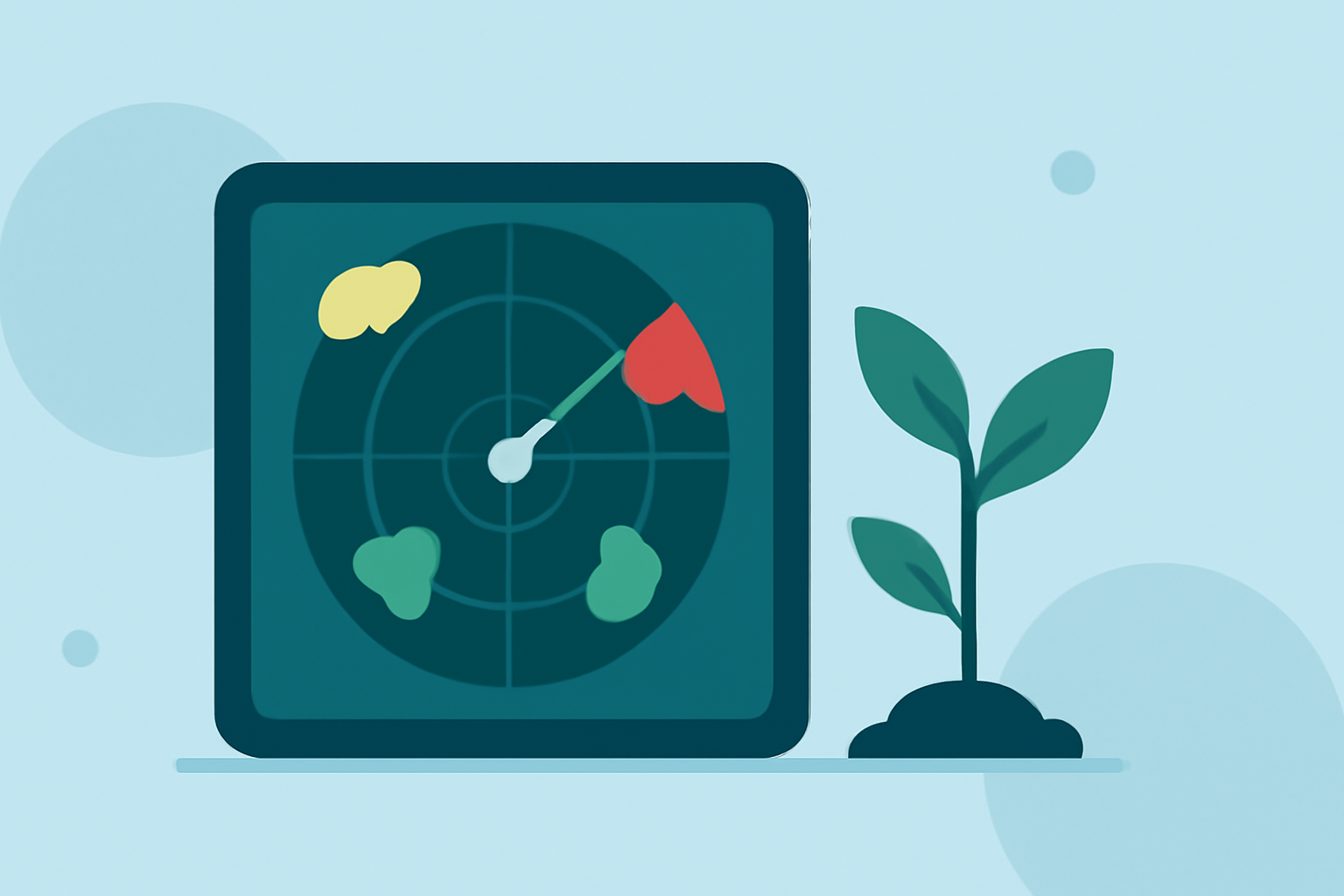
Reading radar images effectively involves understanding key terms and symbols. Look for color codes, which indicate precipitation intensity—darker colors typically represent heavier rain. Take note of directional arrows that inform you of storm movement. Analyzing this data will help you gauge how soon to expect rain, assisting with timely irrigation planning.
The benefits of real-time weather alerts
Real-time alerts are vital for gardeners. With apps like Clime, you can receive push notifications about severe storm threats or weather changes in your area. This feature is particularly useful for those managing larger gardens or farms, where every weather change can impact planting or harvesting schedules. Alerts ensure you can take swift action to protect your plants from unexpected weather events.
Additional environmental factors to consider
Apart from rainfall forecasts, understanding other environmental factors is essential for successful gardening. Wind patterns can affect soil moisture levels, while temperature variations can influence plant growth stages. Using comprehensive apps that provide a mix of weather information can help you create a more resilient garden. Clime’s additional environmental layers, like temperature maps and wind forecasts, enhance your gardening strategy by giving you a holistic view of weather influences.
What we recommend
- Utilize Clime for Rain Alerts: The app provides detailed precipitation forecasts to help with irrigation planning.
- Monitor Temperature: Use temperature layers to ensure optimal conditions for plant growth.
- Stay Updated on Environmental Changes: Track air quality and wind patterns for comprehensive care of your garden.
- Regularly Check the Radar: Make it a routine to assess the weather before planning gardening activities to maximize success.