
Understanding Weather Radar Data During Workouts
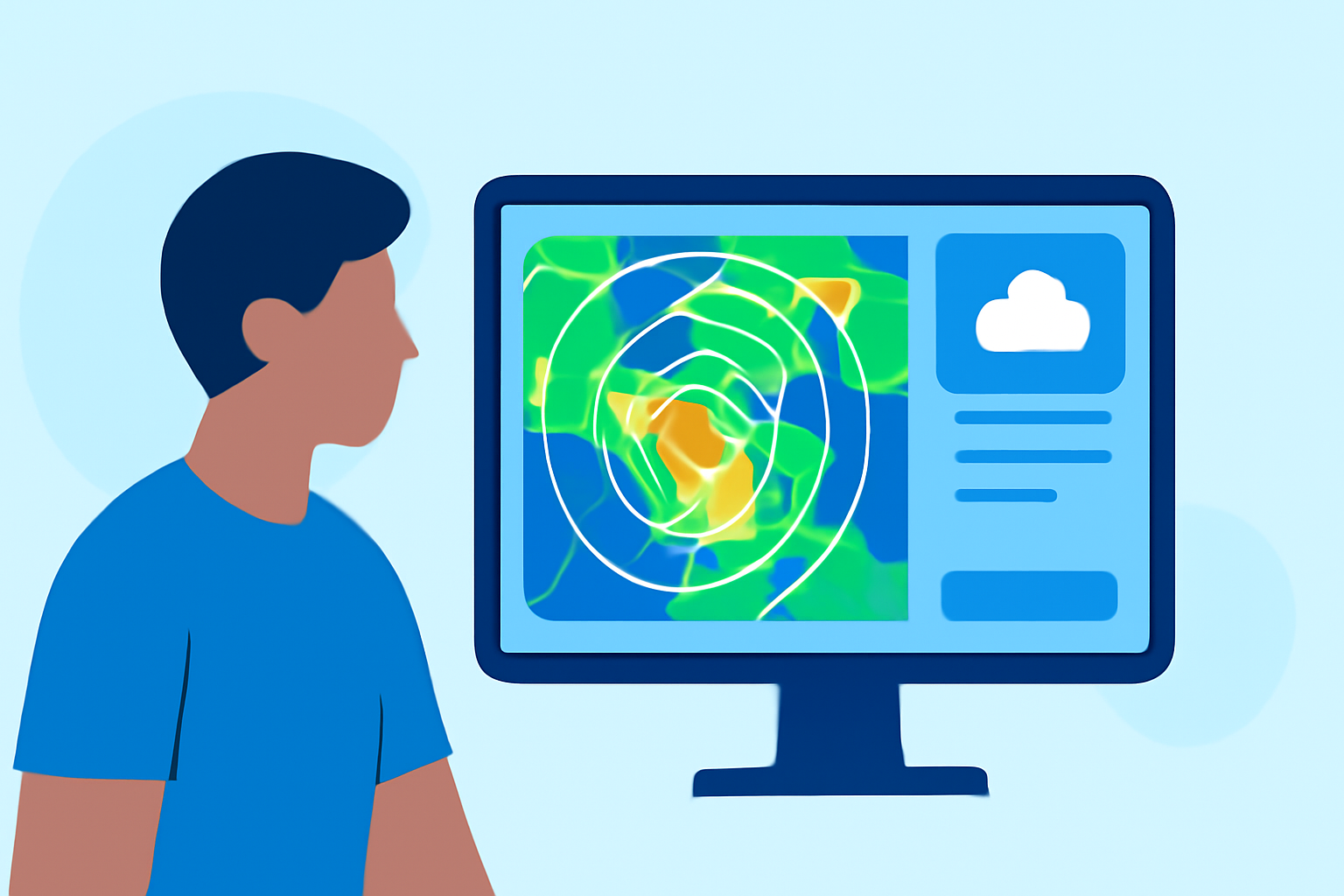
Integrating weather radar data into your workout routine can significantly enhance your planning and safety. By understanding how weather radar works and how to access this information, you can make informed decisions about your exercise environment.
What Is Weather Radar Data?
Weather radar systems, such as the Next Generation Weather Radar (NEXRAD), emit pulses of energy that bounce off precipitation particles like raindrops or snowflakes. The radar then measures the time it takes for the energy to return, allowing meteorologists to determine the location, intensity, and movement of precipitation. This data is crucial for monitoring weather conditions and issuing timely warnings. (ncei.noaa.gov)
How Does Weather Radar Data Benefit Workouts?
Incorporating weather radar data into your workout planning offers several advantages:
-
Precipitation Monitoring: By accessing real-time radar data, you can identify areas with heavy rain or snow, allowing you to adjust your workout location or schedule accordingly.
-
Wind Analysis: Radar data can provide insights into wind patterns, helping you choose routes or times when wind conditions are more favorable for your exercise.
-
Safety Precautions: Staying informed about severe weather conditions through radar data enables you to avoid hazardous situations during outdoor workouts.
How to Access Weather Radar Data
Several platforms offer access to weather radar data:
-
National Weather Service (NWS) Radar: The NWS provides a comprehensive radar site displaying real-time radar images, forecasts, and alerts. (radar.weather.gov)
-
NEXRAD Inventory: This hub offers a variety of data access tools, statistics, and documentation for NEXRAD data. (ncei.noaa.gov)
-
Interactive Radar Map: This tool shows supplemental data in support of NCEI's Weather Radar Archive, including search parameters for time frame, station(s), and altitude. (ncei.noaa.gov)
How to Integrate Weather Radar Data into Your Workout Routine
To effectively use weather radar data for your workouts:
-
Check Radar Data Before Workouts: Before heading out, review the latest radar images to assess current weather conditions along your planned route.
-
Monitor for Severe Weather: Stay alert for any severe weather warnings or advisories in your area, and adjust your plans to ensure safety.
-
Plan Alternative Routes: If radar data indicates unfavorable conditions, consider alternative indoor workouts or routes with better weather prospects.
Conclusion
Incorporating weather radar data into your workout planning enhances safety and ensures a more enjoyable exercise experience. By staying informed about precipitation and wind patterns, you can make proactive decisions that align with your fitness goals and personal safety.
Highlights:
- NWS Radar
- Next Generation Weather Radar (NEXRAD) | National Centers for Environmental Information (NCEI)
- Weather Radar