
Harnessing Weather Radar Maps for Effective Gardening
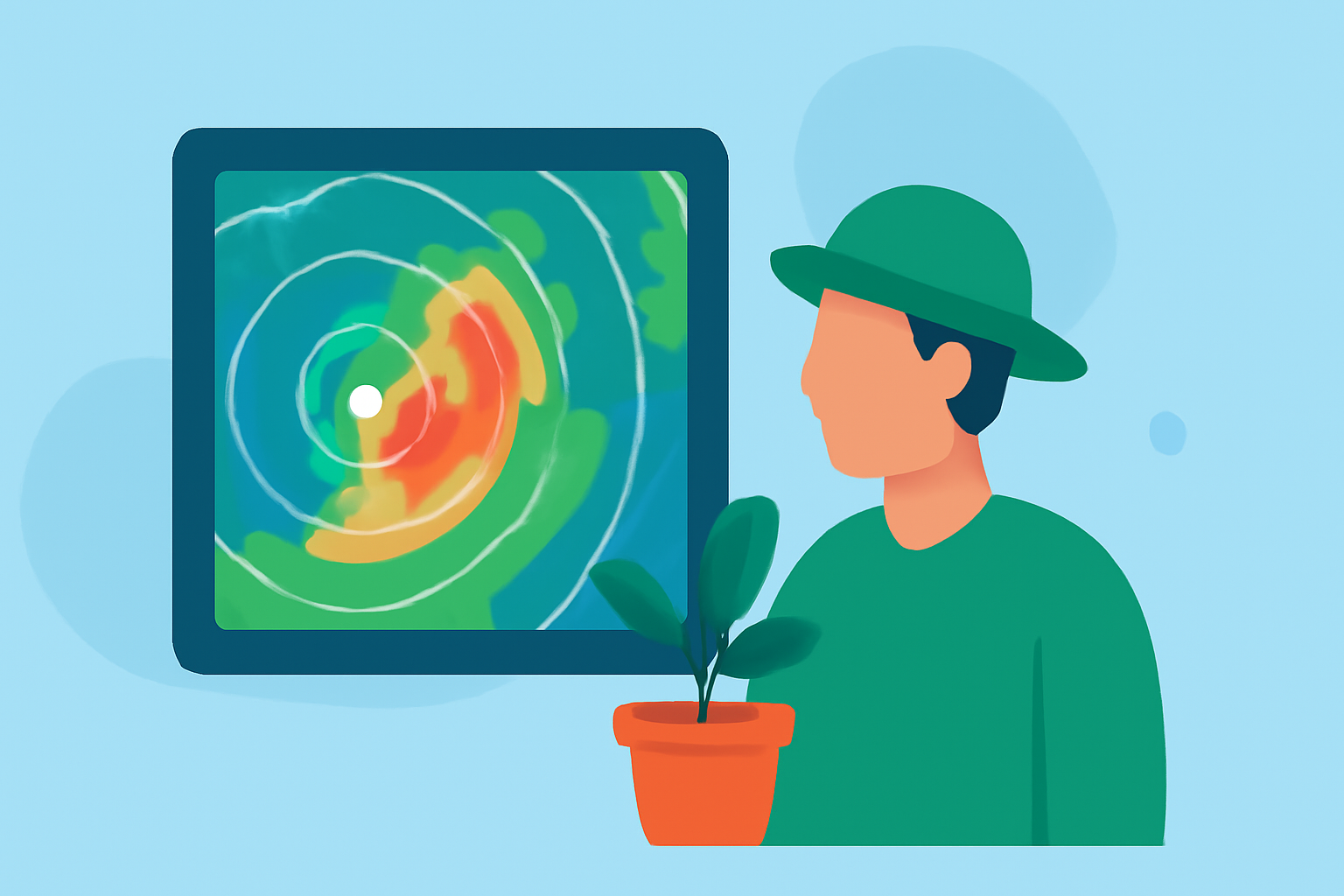
Gardening success hinges on understanding and anticipating weather patterns. Utilizing weather radar maps can significantly enhance this understanding by offering real-time insights into precipitation, storm movements, and atmospheric conditions.
What Are Weather Radar Maps?
Weather radar maps display real-time data on precipitation, storm movements, and atmospheric conditions. They utilize radar technology to detect and visualize weather phenomena, providing a dynamic view of current weather patterns.
How Do Weather Radar Maps Benefit Gardeners?
-
Monitoring Precipitation: By observing rainfall patterns, gardeners can determine the optimal times for planting and harvesting, ensuring crops receive adequate water without being waterlogged.
-
Tracking Storms: Radar maps help in identifying approaching storms, allowing gardeners to take preventive measures to protect plants from potential damage.
-
Assessing Soil Moisture: Understanding recent rainfall through radar data aids in assessing soil moisture levels, guiding irrigation practices to maintain healthy plant growth.
How to Access and Use Weather Radar Maps?
Several platforms offer interactive weather radar maps tailored for gardening needs:
-
Zoom Earth: Provides live satellite images and weather maps, including precipitation and temperature overlays, to monitor weather conditions in real-time. (zoom.earth)
-
WeatherRadar.im: Offers an interactive map with layers for radar, wind speed, temperature, snow, cloud, and pressure, allowing users to visualize various weather factors. (weatherradar.im)
-
Weather NG: Features animated radar images, precipitation forecasts, and additional overlays like hurricanes and wind barbs, providing comprehensive weather insights. (weatherng.com)
Integrating Weather Radar Maps into Gardening Practices
-
Plan Planting and Harvesting: Use radar maps to schedule planting and harvesting around expected rainfall, optimizing water usage and crop health.
-
Monitor Storms: Stay informed about approaching storms to implement protective measures, such as covering delicate plants or securing structures.
-
Adjust Irrigation: Assess recent precipitation to modify irrigation schedules, preventing overwatering or underwatering.
Conclusion
Incorporating weather radar maps into gardening routines empowers gardeners with timely and precise weather information, leading to more informed decisions and healthier, more productive gardens.