
Mastering Weather Radar: Essential Tips for Parents
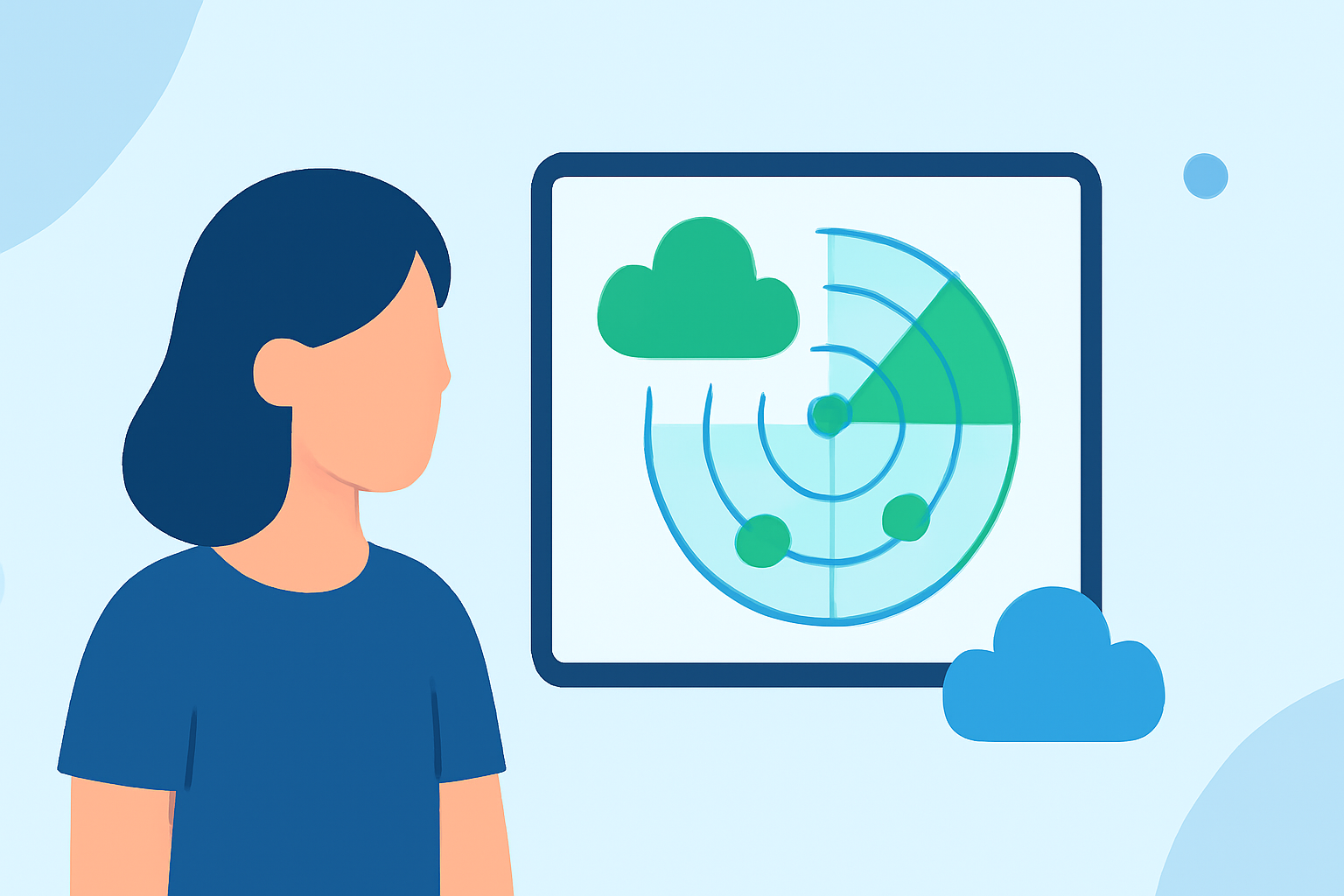
As a parent, staying informed about weather conditions is crucial for the safety and well-being of your family. Weather radar provides real-time insights into precipitation patterns, storm movements, and potential hazards, enabling you to make informed decisions about daily activities and emergency preparedness.
What Is Weather Radar and How Does It Work?
Weather radar operates by emitting pulses of microwave energy into the atmosphere. These pulses bounce off precipitation particles like raindrops, snowflakes, or hailstones. The radar then measures the time it takes for the pulses to return and the strength of the returned signal, creating images that depict the location, intensity, and movement of precipitation. This process is known as Doppler radar, which also detects the speed and direction of precipitation particles, providing valuable information about storm dynamics. (weather.gov)
How Can Parents Utilize Weather Radar?
-
Monitor Local Weather Conditions: Regularly check weather radar to stay updated on current conditions in your area. This helps you anticipate changes in weather patterns and plan your family's activities accordingly.
-
Plan Outdoor Activities: Before heading out, use radar to assess the likelihood of precipitation. For instance, if the radar shows a storm approaching, it might be best to reschedule outdoor events or ensure everyone is dressed appropriately for the weather.
-
Prepare for Severe Weather: In the event of severe weather warnings, such as thunderstorms or tornadoes, weather radar can provide real-time updates on storm movement and intensity. This information is vital for making timely decisions to protect your family.
Understanding Radar Images and Colors
Weather radar images use a color scale to represent precipitation intensity:
-
Light Green: Light rain or drizzle
-
Yellow to Orange: Moderate to heavy rain
-
Red to Purple: Very heavy rain or hail
By interpreting these colors, you can gauge the severity of incoming weather and make informed decisions. (climeradar.com)
Tips for Reading Weather Radar Effectively
-
Use Animated Loops: Always view radar in motion to understand storm movement and development over time.
-
Check Multiple Sources: Different radar sites may offer varying perspectives; consulting multiple sources can provide a more comprehensive view.
-
Be Aware of Delays: Radar images are typically 6-10 minutes old; fast-moving storms may have already passed.
-
Understand Limitations: Radar may not detect all weather phenomena, such as small tornadoes or dry microbursts.
By familiarizing yourself with these aspects, you can enhance your ability to interpret radar data and make better decisions for your family's safety. (timsweather.au)
Integrating Weather Radar into Your Daily Routine
-
Morning Briefings: Incorporate a quick check of the weather radar into your morning routine to plan the day's activities.
-
Event Planning: Use radar to assess weather conditions when scheduling outdoor events, ensuring a safe and enjoyable experience for all.
-
Emergency Preparedness: Stay vigilant during severe weather seasons, using radar to monitor storms and take necessary precautions promptly.
By effectively utilizing weather radar, you can make informed decisions that protect your family and enhance your daily planning.
Highlights:
- Weather Radar Near Me: How To Get a Clear, Local View (And What To Use When) | Clime Blog, Published on Monday, March 09
- Reading Weather Radar | Tim's Severe Weather Australia0search5