
Your Guide to Weather-Ready Footwear: Features and Top Picks
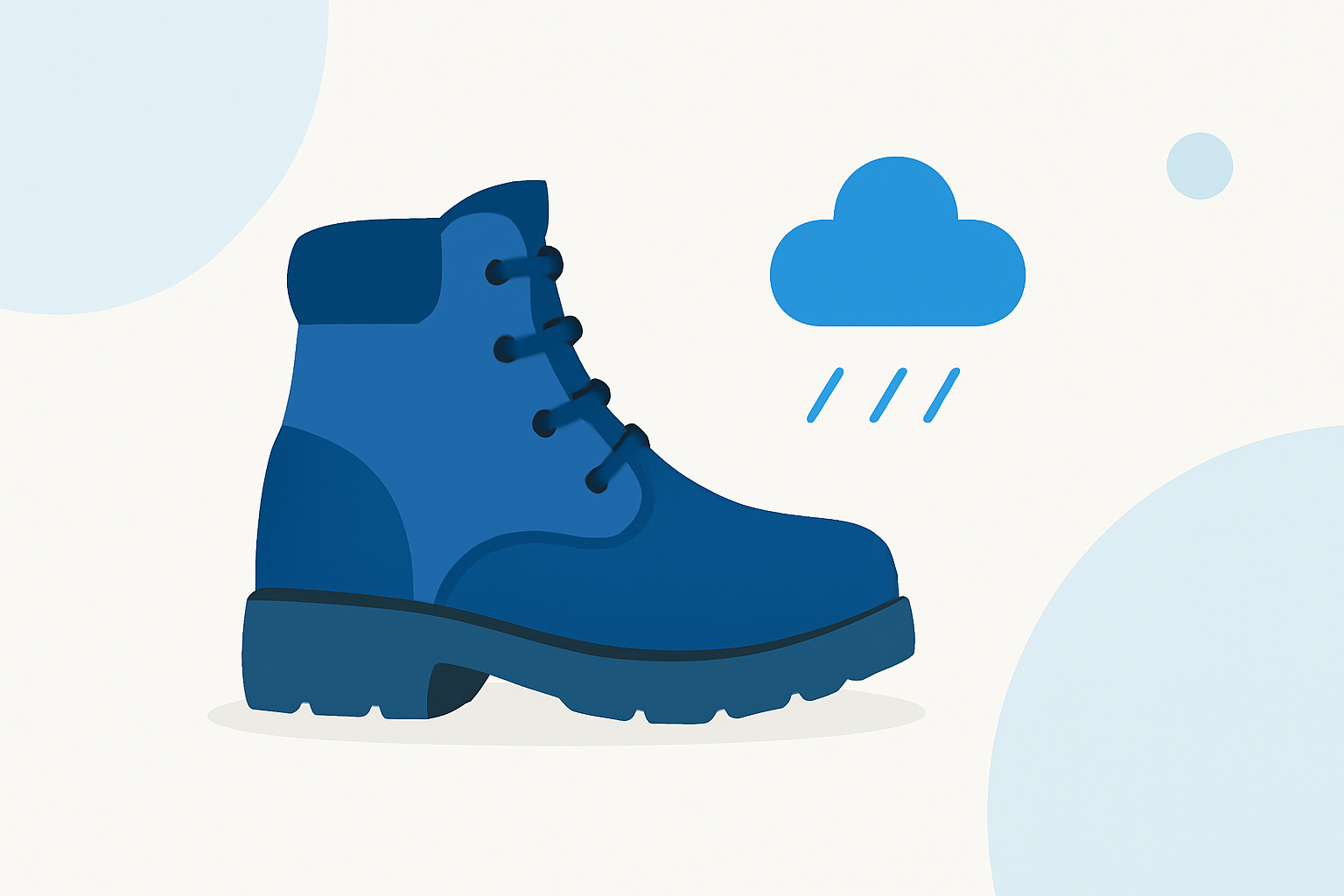
When venturing outdoors, having the right footwear is crucial to ensure comfort and safety. Weather-ready footwear, particularly waterproof hiking boots, are designed to protect your feet from wet conditions, providing stability and traction on slippery terrains. This guide delves into the key features to look for in weather-ready footwear and highlights top options to consider.
What Are the Essential Features of Weather-Ready Footwear?
Waterproof Membrane: A waterproof membrane is a thin, water-tight layer inside the boot that prevents water from entering while allowing moisture vapor to escape. This feature keeps your feet dry during wet conditions. Common waterproof membranes include GORE-TEX and proprietary options like KEEN.DRY and Omni-Tech.
Upper Materials: The upper part of the boot affects its durability, weight, and breathability. Materials such as full-grain leather offer excellent durability and water resistance, while synthetic materials like polyester and nylon are lighter and dry faster. The choice depends on the specific needs of your hiking environment.
Outsole and Traction: A boot's outsole provides grip and stability. Deep, widely spaced lugs are excellent for shedding mud and gripping loose terrain. Vibram outsoles are renowned for their durability and traction, making them a popular choice for hiking boots.
Gusseted Tongue: A gusseted tongue is connected to both sides of the boot, preventing debris and water from entering. This feature is particularly beneficial when hiking in wet or muddy conditions.
Boot Height: Boot height affects both waterproof coverage and ankle support:
-
Low-cut (below ankle): Lighter weight, more breathable, less ankle support. Best for well-maintained trails and fast hiking.
-
Mid-cut (ankle height): Provides ankle support and protection without excessive weight. Ideal for day hikes and backpacking.
-
Tall boots (8″ or higher): Maximum waterproof coverage, best ankle support, heavier. Suitable for deep snow, wet job sites, or rugged mountaineering.
How Do I Choose the Right Pair of Weather-Ready Footwear?
Assess Your Needs: Consider the typical weather conditions and terrains you'll encounter. For instance, if you frequently hike in wet environments, prioritize boots with robust waterproofing and excellent traction.
Fit and Comfort: Ensure the boots fit well, allowing for toe movement and proper arch support. A snug fit prevents discomfort and injuries. Breaking in new boots gradually, starting with short walks, can help prevent blisters.
Material Considerations: Choose materials that align with your hiking conditions. Leather offers durability and water resistance but may require more break-in time. Synthetic materials are lighter and dry faster but may be less durable.
Maintenance: Regularly clean and treat your boots to maintain their waterproofing and extend their lifespan. Follow the manufacturer's care instructions for best results.
What Are Some Top Weather-Ready Footwear Options?
While specific brand names are not mentioned here, it's advisable to look for boots that offer the features discussed above. Consider factors such as waterproof membranes, durable upper materials, reliable outsoles, and additional features like gusseted tongues and appropriate boot height to find the best fit for your needs.
How Do I Maintain My Weather-Ready Footwear?
Cleaning: After each hike, remove dirt and debris using a soft brush or cloth. For stubborn stains, use a mild soap solution and rinse thoroughly.
Drying: Allow boots to air dry naturally, away from direct heat sources, which can damage materials. Stuffing them with newspaper can help maintain their shape.
Waterproofing Treatments: Periodically apply waterproofing treatments to restore the boot's water resistance. Follow the manufacturer's recommendations for the best results.
Storage: Store boots in a cool, dry place, away from direct sunlight, to prevent material degradation.
Conclusion
Selecting the right weather-ready footwear is essential for a comfortable and safe hiking experience. By understanding the key features to look for and considering your specific needs, you can choose boots that will keep your feet dry and supported in various weather conditions.
(rei.com)