
Essential Guide to Weather-Ready Footwear for Severe Conditions
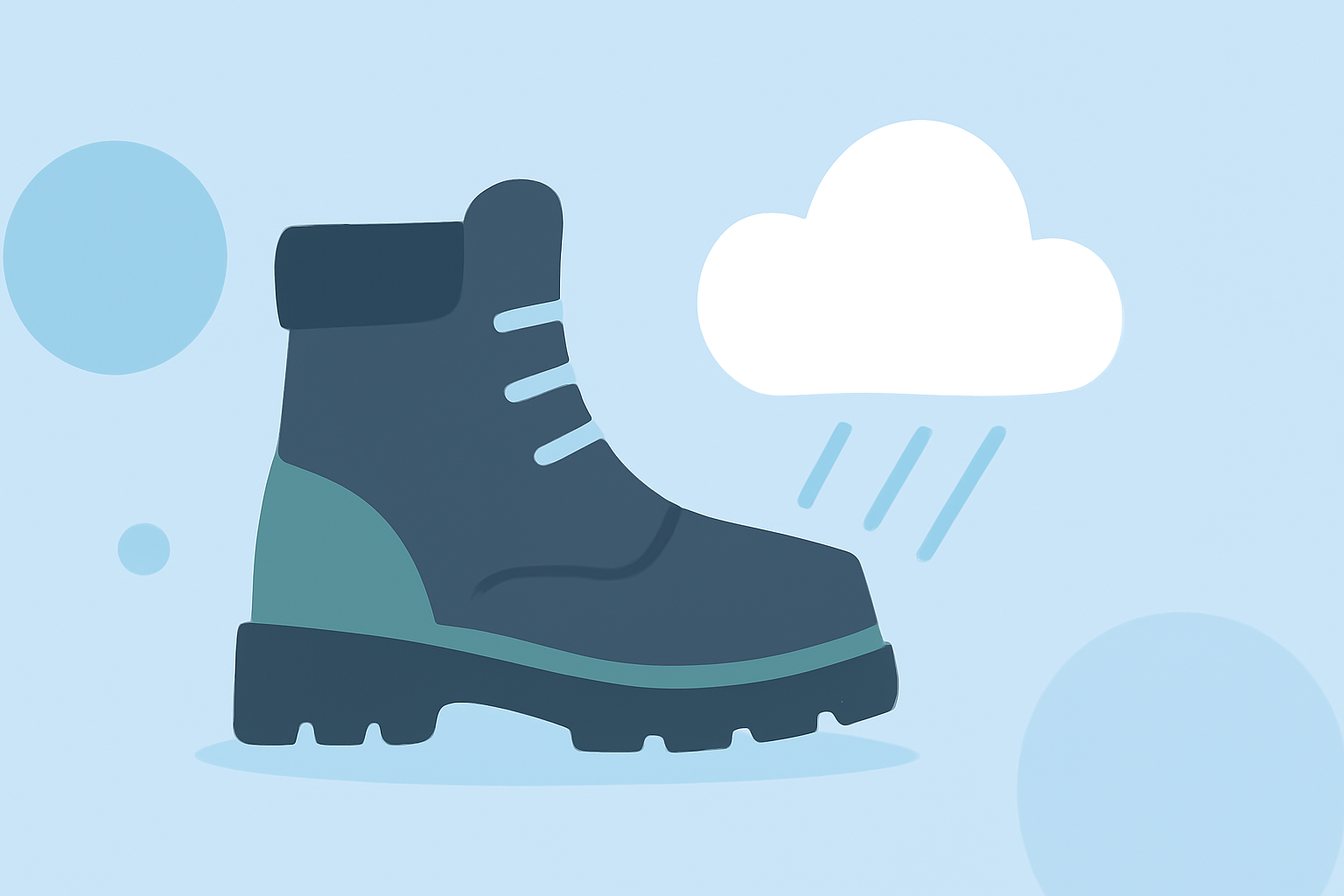
Severe weather conditions demand footwear that offers protection, comfort, and durability. Whether you're facing heavy rain, snow, or extreme temperatures, selecting the appropriate shoes is crucial. This guide provides insights into the key features to consider when choosing weather-ready footwear.
What Are the Key Features of Weather-Ready Footwear?
When preparing for severe weather, prioritize the following features in your footwear:
- Waterproofing: Ensures your feet stay dry in wet conditions.
- Insulation: Provides warmth in cold temperatures.
- Traction: Offers stability on slippery surfaces.
- Breathability: Prevents overheating and moisture buildup.
How Does Waterproofing Benefit Your Footwear?
Waterproof footwear prevents water from entering, keeping your feet dry and comfortable. Materials like rubber or treated leather are commonly used for their waterproof properties. Seam-sealed construction enhances this protection by eliminating potential entry points for water. (longlastsafety.com)
Why Is Insulation Important in Severe Weather?
Insulated footwear retains body heat, protecting against cold temperatures. Materials such as Thinsulate or fleece are effective insulators. The level of insulation should match your activity level; higher ratings are suitable for sedentary work, while lower ratings are better for active jobs to prevent overheating. (michigan-weather-center.org)
What Role Does Traction Play in Footwear?
Traction is essential for stability on slippery surfaces. Look for boots with deep, multi-directional lugs or specialized ice-gripping outsoles to prevent slipping on snow or ice. Slip-resistant rubber outsoles with textured tread patterns will boost your grip, keeping you secure on wet surfaces. (michigan-weather-center.org)
How Does Breathability Affect Footwear Performance?
Breathable footwear allows moisture from sweat to escape while keeping water out, preventing your feet from becoming clammy. This feature is important during prolonged wear in humid or wet conditions. (decentfoot.com)
What Are the Best Materials for Weather-Ready Footwear?
- Rubber: Offers waterproofing and durability.
- Treated Leather: Provides water resistance and a classic look.
- Synthetic Materials: Often lightweight and can be treated for water resistance.
How Should Footwear Fit in Severe Weather?
Proper fit is crucial for comfort and protection. Ensure there's enough room for thick thermal socks without compressing your toes—about a thumb’s width of space at the front works well. A snug fit stops cold air from sneaking in and helps maintain insulation. Look for boots with adjustable laces or straps to secure your feet firmly, which boosts stability on icy terrain and prevents heat loss. (michigan-weather-center.org)
How Does Clime Enhance Your Weather-Ready Footwear Experience?
Clime offers a comprehensive solution for monitoring and preparing for severe weather conditions. By integrating Clime's services, you can receive real-time weather updates and alerts, ensuring you're always informed about changing conditions. This proactive approach allows you to make timely decisions about your footwear and overall preparedness, enhancing your safety and comfort during severe weather events.
Conclusion
Selecting the right footwear is essential for navigating severe weather conditions safely and comfortably. By focusing on waterproofing, insulation, traction, and breathability, and by ensuring a proper fit, you can equip yourself to face various weather challenges effectively. Utilizing Clime's services further empowers you to stay ahead of weather changes, making informed choices about your footwear and overall preparedness.
(longlastsafety.com)