
Essential Guide to Avoiding Weather-Related Cycling Mistakes in the U.S.
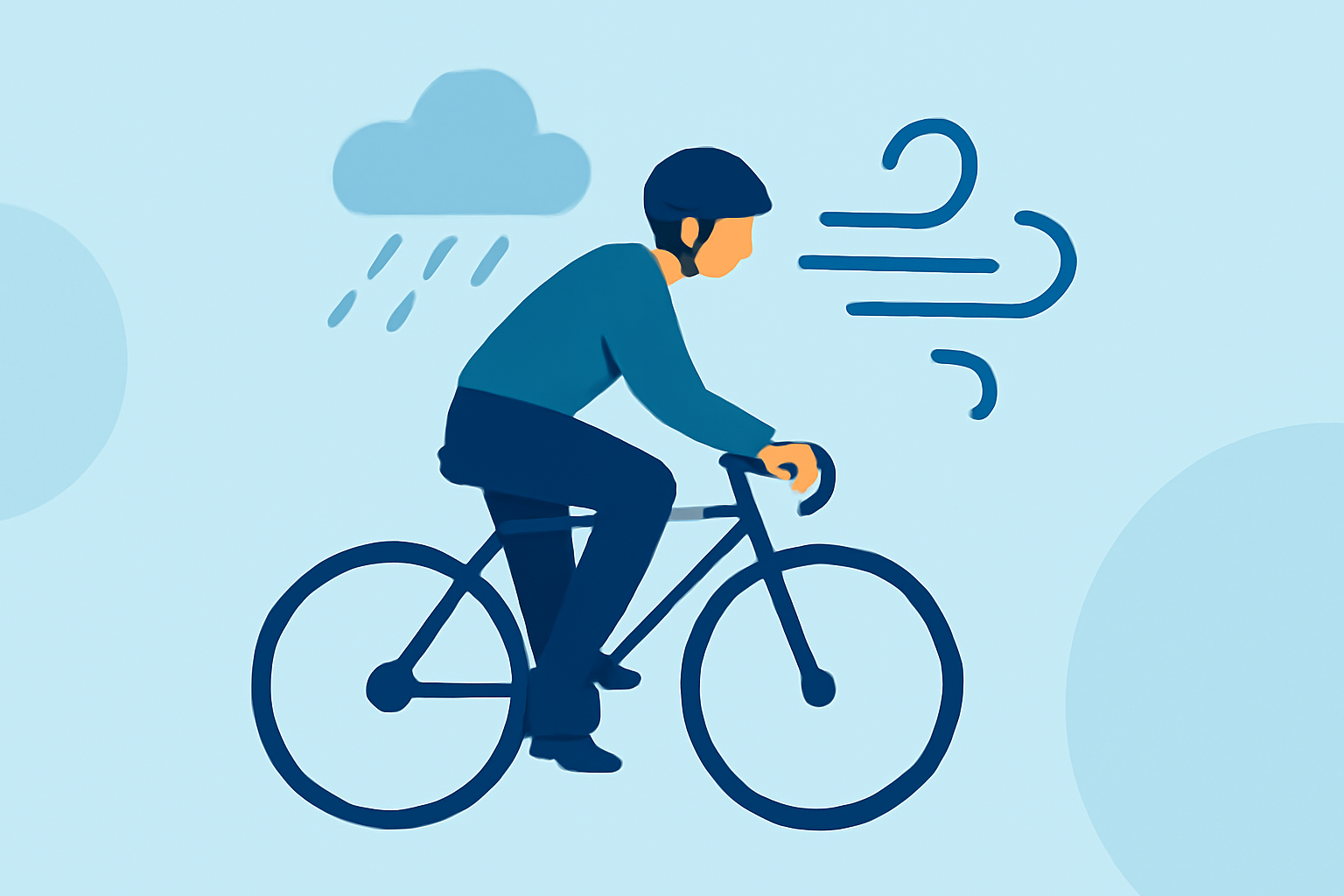
Cycling offers a refreshing way to explore the outdoors, but weather conditions can pose significant challenges. Understanding and avoiding common weather-related cycling mistakes is crucial for safety and enjoyment. This guide provides essential tips to help cyclists navigate various weather scenarios across the United States.
1. How Does Rain Affect Cycling Safety?
Rain introduces several hazards:
-
Reduced Traction: Wet roads decrease tire grip, increasing the risk of skidding. (bikeaccidents.net)
-
Hidden Hazards: Puddles can conceal potholes or debris, leading to sudden accidents. (bikeattorney.com)
-
Decreased Visibility: Rain diminishes both cyclist and driver visibility, heightening collision risks. (adventurecycling.org)
Safety Tips:
-
Use wider tires with good tread to enhance grip. (bikeaccidents.net)
-
Equip your bike with bright front and rear lights to improve visibility. (adventurecycling.org)
-
Brake earlier and more gently to account for longer stopping distances. (attackcyclelab.com)
2. What Are the Dangers of Cycling in Cold Weather?
Cold conditions present unique challenges:
-
Icy Surfaces: Black ice is nearly invisible and can cause sudden falls. (bicycling.com)
-
Reduced Braking Efficiency: Cold, wet rims or rotors decrease braking effectiveness. (superteamwheels.com)
-
Hypothermia Risk: Prolonged exposure to cold can lead to hypothermia. (bikecommuterhero.com)
Safety Tips:
-
Use studded winter tires designed for icy roads. (bikeaccidents.net)
-
Dress in insulated, layered clothing with reflective strips. (bikeaccidents.net)
-
Stick to cleared routes and avoid shaded areas where ice lingers. (bikeaccidents.net)
3. How Does Heat Impact Cycling Performance?
High temperatures can be as hazardous as cold:
-
Dehydration: Increased sweat leads to fluid loss, impairing performance. (bikeaccidents.net)
-
Heat Exhaustion: Prolonged exposure can cause fatigue and dizziness. (bikeaccidents.net)
-
Tire Blowouts: Hot asphalt can cause tires to overheat and burst. (bikeaccidents.net)
Safety Tips:
-
Hydrate before, during, and after rides; carry extra water. (bikeaccidents.net)
-
Wear lightweight, moisture-wicking gear. (bikeaccidents.net)
-
Ride during cooler hours, such as early morning or evening. (bikeaccidents.net)
4. What Are the Risks of Cycling in Foggy Conditions?
Fog reduces visibility and increases accident risk:
-
Impaired Vision: Foggy conditions make it hard to see obstacles or other road users. (adventurecycling.org)
-
Increased Collision Risk: Reduced visibility heightens the chance of accidents. (adventurecycling.org)
Safety Tips:
-
Wear bright or neon colors to enhance visibility. (bikeattorney.com)
-
Equip your bike with bright reflectors and lights on all sides. (bikeattorney.com)
-
Ride at a slower pace to react promptly to sudden obstacles. (adventurecycling.org)
5. How Can I Prepare for Sudden Weather Changes?
Unpredictable weather requires readiness:
-
Check Forecasts: Always review weather forecasts before heading out. (adventurecycling.org)
-
Carry Essentials: Pack waterproof layers and a basic repair kit. (adventurecycling.org)
-
Plan Routes: Choose paths with access to shelter in case of sudden storms. (adventurecycling.org)
By understanding these weather-related challenges and implementing the recommended safety measures, cyclists can enjoy a safer and more comfortable riding experience across the diverse climates of the United States.
Highlights:
- What Causes Winter Bike Crashes | How to Avoid Winter Bike Wrecks, Published on Wednesday, February 02
- Seasonal Bike Crash Risks: Rain, Ice, and Extreme Heat, Published on Sunday, October 05
- What to Do When Bad Weather Strikes - Adventure Cycling Association, Published on Thursday, September 12