
Understanding Weather-Related Migraine Triggers for Gardeners
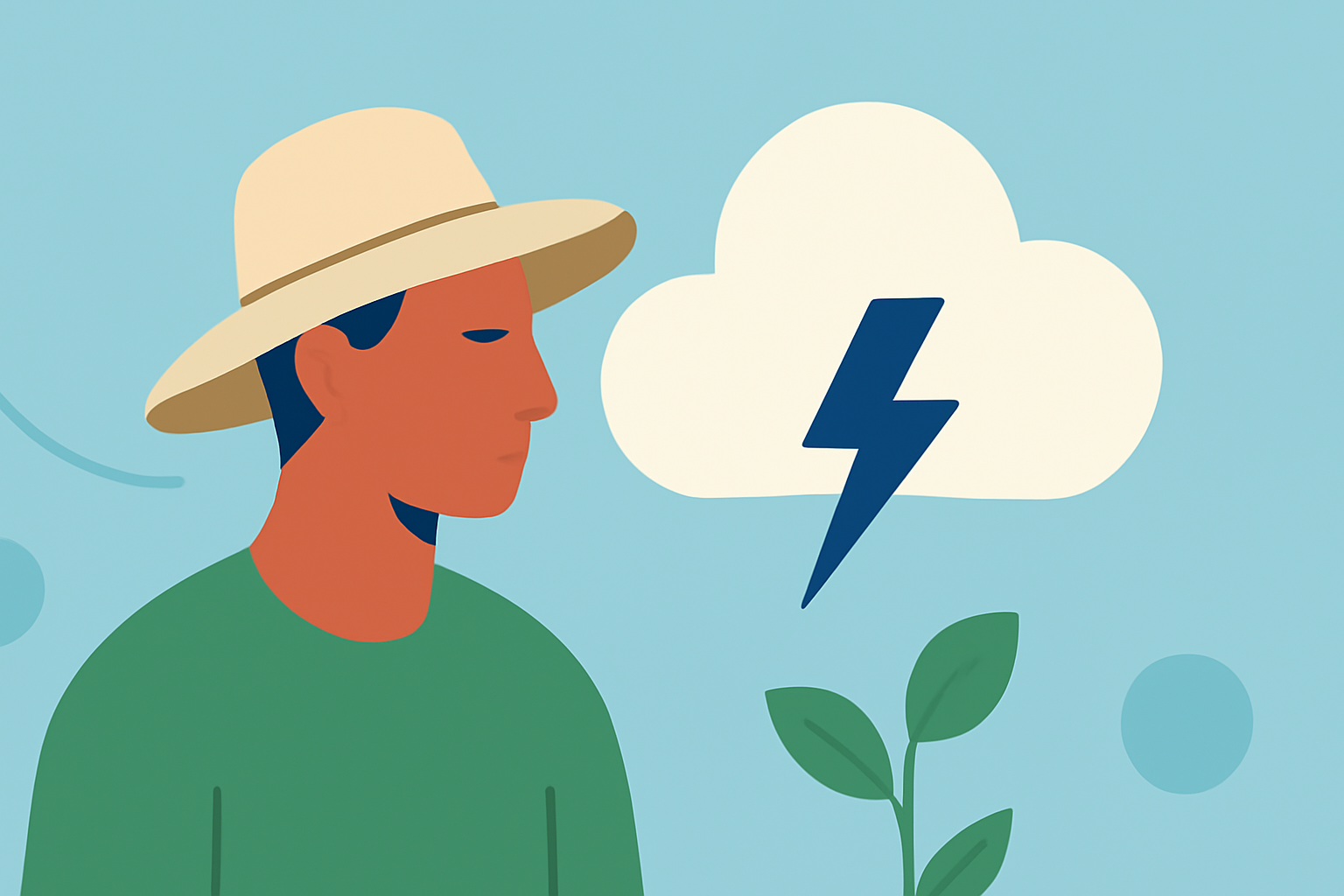
As a gardener, you may have noticed that certain weather conditions seem to trigger your migraines. Understanding the connection between weather patterns and migraine onset can help you take proactive steps to minimize these triggers.
How Do Weather Changes Affect Migraines?
Weather fluctuations can influence various factors that may contribute to migraine attacks. Common weather-related triggers include:
-
Temperature Extremes: Sudden increases or decreases in temperature can affect the body's internal balance, potentially leading to migraines. (healthline.com)
-
Humidity Levels: High humidity can cause dehydration, a known migraine trigger. (healthline.com)
-
Barometric Pressure Changes: Fluctuations in atmospheric pressure, such as those preceding storms, can affect the brain's blood vessels, potentially triggering migraines. (health.clevelandclinic.org)
-
Wind and Storms: Strong winds and stormy conditions can introduce allergens and pollutants into the air, which may trigger migraines in sensitive individuals. (mayoclinic.org)
How Do These Triggers Impact Gardeners?
Gardeners are particularly susceptible to weather-related migraine triggers due to their prolonged exposure to outdoor conditions. Activities such as planting, weeding, and harvesting often require extended periods in the sun, which can lead to dehydration and heat exposure. Additionally, sudden weather changes can introduce allergens like pollen, further increasing the risk of migraine onset.
Strategies to Manage Weather-Related Migraine Triggers
To mitigate the impact of weather-induced migraine triggers, consider the following strategies:
-
Monitor Weather Forecasts: Stay informed about upcoming weather changes, especially those involving temperature fluctuations, high humidity, or storms. This awareness can help you plan your gardening activities accordingly.
-
Hydrate Adequately: Ensure you drink plenty of water throughout the day, particularly during hot and humid conditions, to prevent dehydration—a common migraine trigger. (healthline.com)
-
Protect Yourself from the Elements: Wear appropriate clothing, such as hats and sunglasses, to shield yourself from bright sunlight and glare. (mayoclinic.org)
-
Limit Exposure During High-Risk Periods: On days with extreme weather forecasts, consider postponing gardening tasks or scheduling them during cooler parts of the day.
-
Create a Comfortable Gardening Environment: If possible, set up shaded areas or use portable fans to reduce heat exposure while working outdoors.
Utilizing Clime to Stay Ahead of Weather Changes
Clime offers advanced weather tracking tools that can help you anticipate and prepare for weather conditions that may trigger your migraines. By integrating Clime into your daily routine, you can receive timely updates and alerts about weather changes, allowing you to adjust your gardening activities proactively.
Conclusion
Understanding the relationship between weather changes and migraine triggers is essential for gardeners who wish to maintain their health and continue enjoying their passion. By staying informed and implementing preventive measures, you can reduce the likelihood of weather-induced migraine attacks and create a safer, more comfortable gardening experience.
Highlights:
- Migraine, Weather, the Environment, and Climate Change: What to Know, Published on Monday, February 23
- Migraine and Weather: Humidity, Temperature, and More, Published on Wednesday, February 18
- Can Changes in Weather Trigger Migraine and Other Headaches?, Published on Tuesday, May 19