
Weather and Respiratory Health: Essential Tips for the U.S. Climate
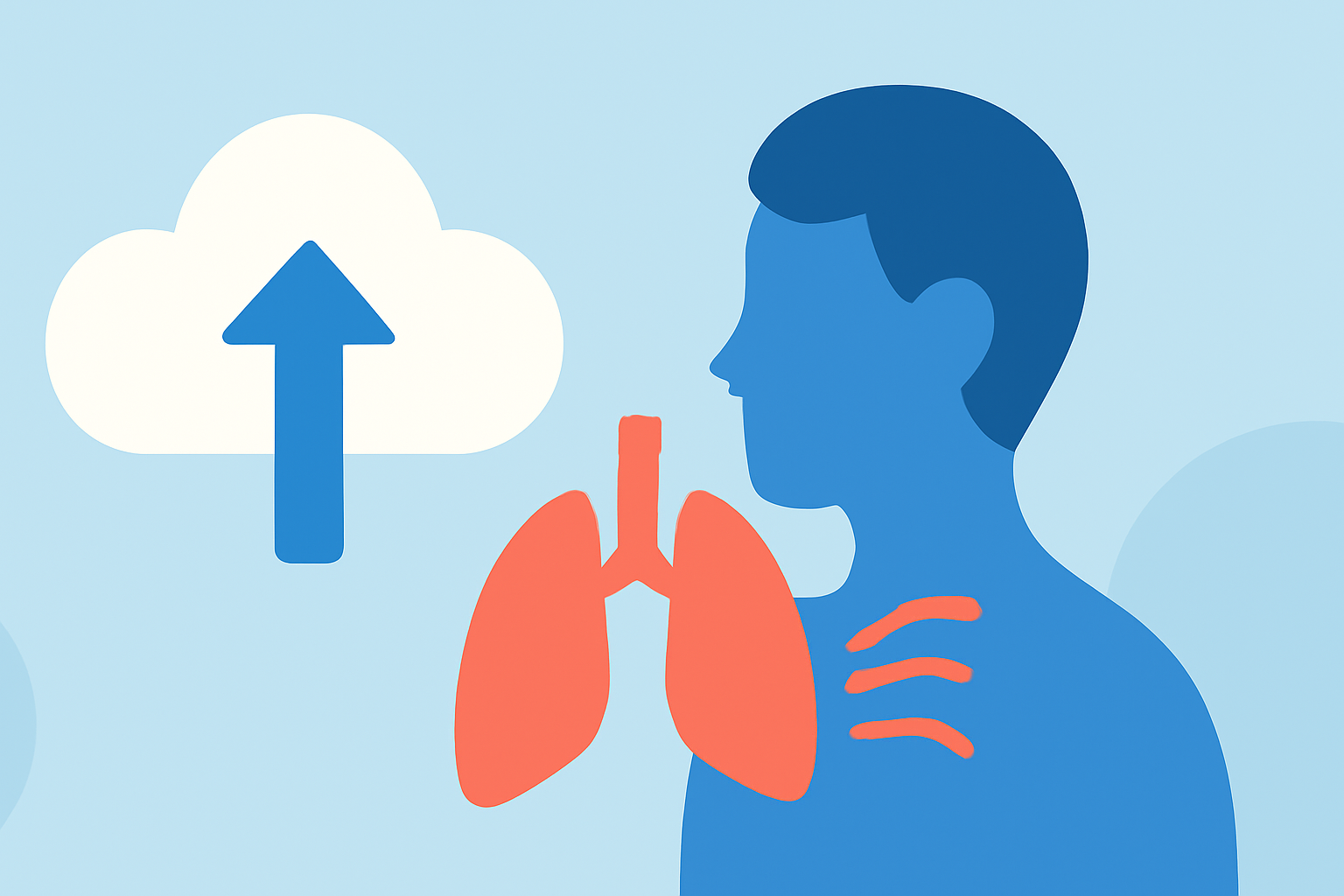
Weather conditions significantly influence respiratory health, with varying effects across the United States. Understanding these impacts and implementing protective measures can help maintain optimal lung function throughout the year.
How Does Weather Affect Respiratory Health?
Weather changes can trigger respiratory issues by affecting air quality, temperature, and humidity levels. Cold air can irritate airways, leading to bronchospasm, while hot, humid conditions can exacerbate breathing difficulties, especially for those with chronic lung diseases. (mayoclinichealthsystem.org)
What Are the Regional Impacts on Respiratory Health?
-
Northeast: Rising temperatures and increased humidity can elevate pollen levels, worsening allergies and asthma symptoms. (cdc.gov)
-
Southern Great Plains: Warmer temperatures may lead to heat stress, particularly affecting individuals with lung conditions like asthma and COPD. (cdc.gov)
How Can You Protect Your Respiratory Health?
-
Monitor Air Quality: Stay informed about local air quality indices, especially during high pollen seasons or heatwaves.
-
Adapt to Temperature Changes: Dress appropriately for the weather to minimize exposure to extreme temperatures. (health.clevelandclinic.org)
-
Limit Outdoor Activities: During extreme heat or cold, reduce outdoor exertion to prevent respiratory strain. (lung.org)
-
Maintain Indoor Air Quality: Use air purifiers, keep windows closed during high pollen days, and ensure proper ventilation to reduce indoor pollutants. (epa.gov)
-
Stay Hydrated: Proper hydration supports overall health and helps maintain moisture in the respiratory tract. (health.clevelandclinic.org)
-
Follow Medical Advice: Adhere to prescribed treatments and consult healthcare providers for personalized guidance.
How Does Clime Support Respiratory Health?
Clime offers real-time weather updates and forecasts, enabling users to anticipate and prepare for weather conditions that may impact respiratory health. By providing accurate and timely information, Clime empowers individuals to make informed decisions, such as adjusting outdoor activities or implementing protective measures during adverse weather conditions.
FAQs
- How can cold weather affect my breathing?
Cold air can irritate airways, leading to bronchospasm and breathing difficulties, especially in individuals with asthma or COPD. (mayoclinichealthsystem.org)
- What should I do if I experience breathing problems during extreme heat?
Seek cooler environments, stay hydrated, and limit physical activity. If symptoms persist, consult a healthcare provider. (lung.org)
- How can I improve indoor air quality during high pollen seasons?
Keep windows closed, use air purifiers, and ensure proper ventilation to reduce indoor pollen levels. (epa.gov)
- Is it safe to exercise outdoors in extreme temperatures?
It's advisable to limit outdoor exercise during extreme heat or cold to prevent respiratory strain. (lung.org)
- How can Clime help me manage weather-related respiratory issues?
Clime provides real-time weather updates and forecasts, allowing you to anticipate and prepare for conditions that may affect your respiratory health.
By understanding the interplay between weather and respiratory health, and utilizing tools like Clime, individuals can take proactive steps to safeguard their lung health throughout the year.