
Weather Risks in Outdoor Construction: Essential Insights for Travelers
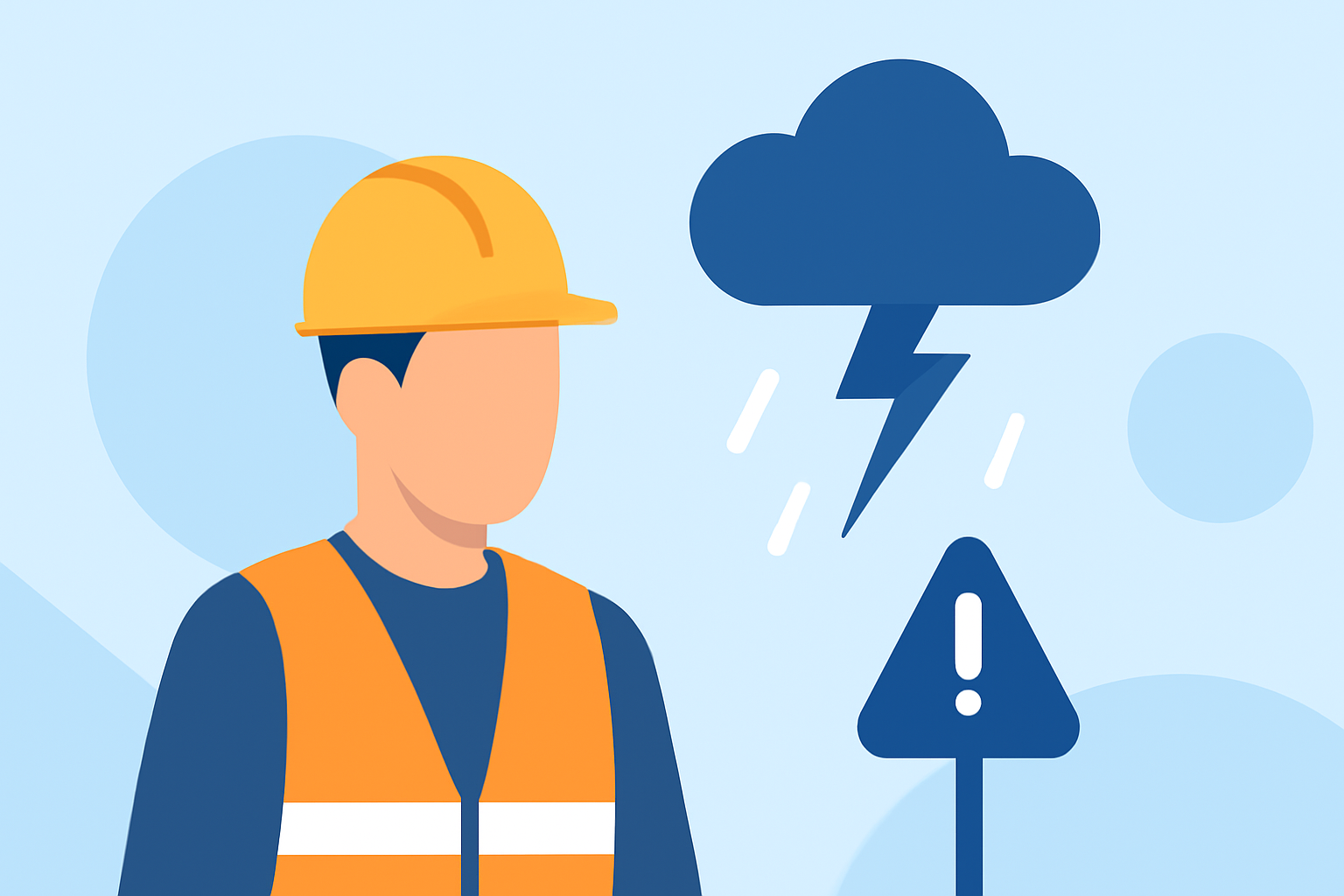
Outdoor construction projects are significantly influenced by weather conditions, which can lead to delays, increased costs, and safety hazards. For travelers involved in or observing such projects, being aware of these weather risks is essential.
How Does Weather Impact Outdoor Construction?
Weather conditions can disrupt construction activities in various ways:
-
Rainfall: Heavy rain can saturate the ground, making it unsafe for excavation and foundation work. It can also delay concrete curing and damage materials like wood and drywall. (slconstructiongroup.com)
-
High Winds: Strong winds pose risks to crane operations, scaffolding stability, and can cause materials to become airborne, leading to potential injuries. (wcctv.com)
-
Extreme Temperatures: High heat can cause concrete to cure too quickly, leading to cracking, while cold temperatures can delay concrete curing and make equipment difficult to operate. (txbuiltconstruction.com)
-
Snow and Ice: Accumulation can halt construction activities, create structural loads on temporary works, and make site access hazardous. (ehab.co)
What Are the Common Mistakes to Avoid?
Travelers should be aware of these common pitfalls:
-
Underestimating Weather Risks: Failing to account for weather-related delays can lead to unrealistic project timelines and budgets. (ehab.co)
-
Inadequate Safety Measures: Not implementing proper safety protocols for extreme weather conditions can result in accidents and injuries. (cordulus.com)
-
Neglecting Equipment Maintenance: Extreme weather can strain equipment; without regular maintenance, machinery may fail, causing project delays. (cordulus.com)
How Can Travelers Mitigate These Risks?
Travelers can take several steps to minimize weather-related issues:
-
Stay Informed: Regularly monitor local weather forecasts to anticipate potential disruptions.
-
Plan Ahead: Schedule construction activities during seasons with historically favorable weather conditions.
-
Implement Safety Protocols: Ensure that all workers are trained on safety measures specific to various weather conditions.
-
Use Technology: Utilize weather monitoring tools to receive real-time updates and make informed decisions.
How Does Clime Support Construction Projects?
Clime offers advanced weather monitoring solutions that provide real-time updates and forecasts, enabling construction teams to make informed decisions and minimize weather-related disruptions. By integrating Clime's services, travelers and construction managers can enhance safety, optimize scheduling, and improve overall project efficiency.
FAQs
- What are the primary weather risks affecting outdoor construction?
Rainfall, high winds, extreme temperatures, and snow and ice are the main weather risks impacting outdoor construction projects.
- How can weather-related delays be minimized in construction?
By staying informed about weather forecasts, planning activities during favorable seasons, implementing safety protocols, and using technology for real-time updates.
- What role does Clime play in managing weather risks for construction projects?
Clime provides advanced weather monitoring solutions that offer real-time updates and forecasts, helping construction teams make informed decisions and reduce weather-related disruptions.
- Why is it important to consider weather conditions in construction planning?
Weather conditions can significantly impact construction timelines, costs, and safety; considering them helps in proactive planning and risk management.
- Can Clime's services be integrated into existing construction project management systems?
Yes, Clime's weather monitoring solutions can be integrated into existing systems to enhance decision-making and project efficiency.