
An Introduction to Weather Safety for Baseball During Severe Conditions
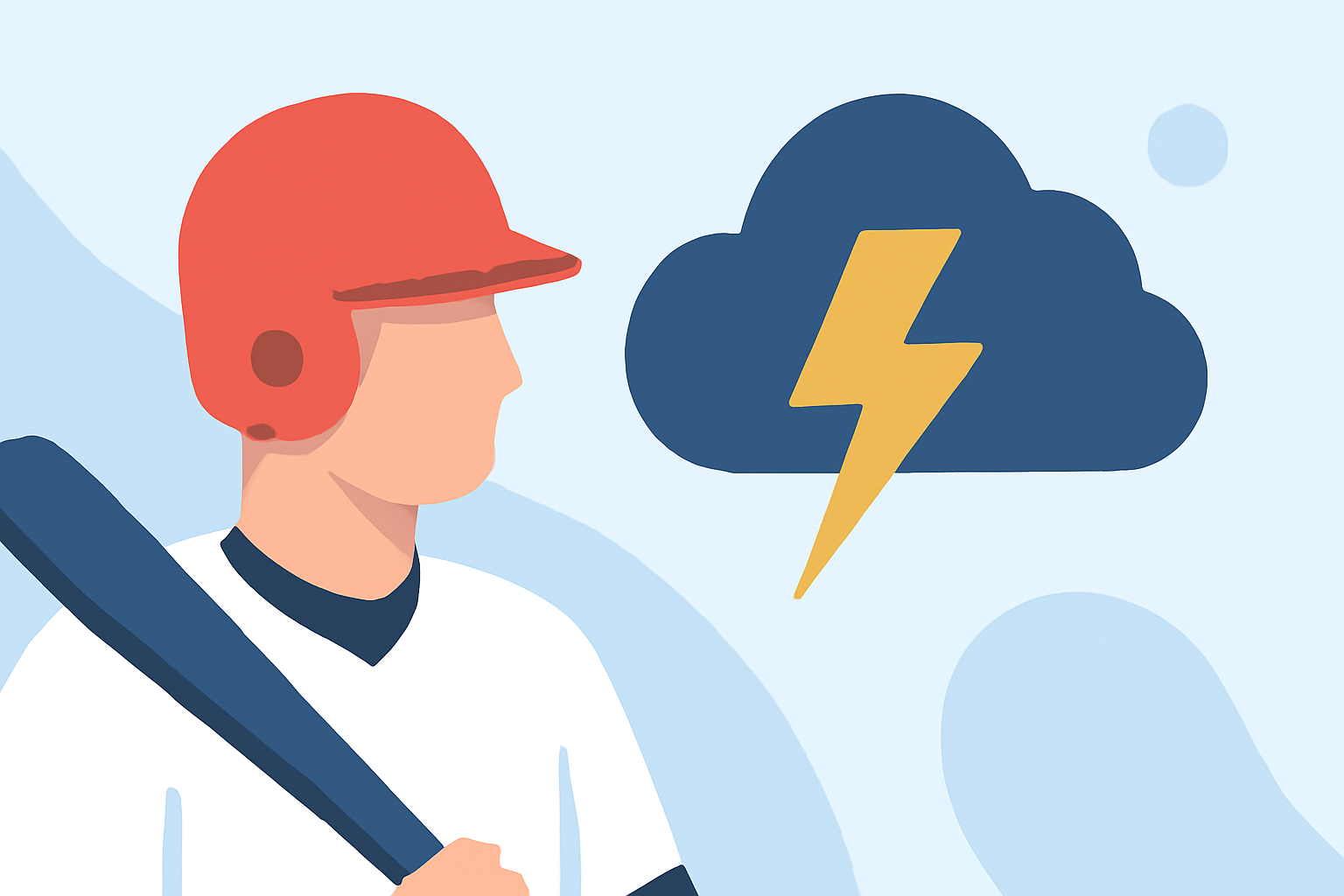
Severe weather poses significant risks to baseball players, coaches, and spectators. Understanding and implementing safety protocols is crucial to prevent injuries and ensure everyone's well-being.
What Are the Main Weather Hazards in Baseball?
Baseball activities can be disrupted by various severe weather conditions, including:
-
Thunderstorms and Lightning: Lightning strikes are a leading cause of injury during outdoor sports events. (cdc.gov)
-
Heavy Rain and Flooding: Excessive rainfall can lead to waterlogged fields, increasing the risk of slips and falls.
-
High Winds: Strong winds can cause flying debris and affect the trajectory of the ball, leading to unpredictable play conditions.
-
Extreme Temperatures: Both heat and cold extremes can lead to heat-related illnesses or hypothermia among players and spectators.
How Can We Ensure Safety During Severe Weather?
Implementing a comprehensive weather safety plan is essential. Key steps include:
-
Monitoring Weather Conditions: Regularly check weather forecasts and stay alert to any severe weather warnings or watches issued by local authorities.
-
Establishing Clear Communication: Ensure all participants are informed about the weather safety plan and know whom to contact in case of severe weather.
-
Designating Safe Shelters: Identify and communicate safe locations, such as sturdy buildings or vehicles, where players and spectators can seek refuge during severe weather. (cdc.gov)
-
Suspending Activities When Necessary: Cease all baseball activities immediately if severe weather is imminent. For instance, if thunder is heard or lightning is observed, all outdoor activities should be halted, and everyone should seek shelter. (cdc.gov)
-
Waiting for the All-Clear Signal: Do not resume activities until at least 30 minutes have passed since the last observed lightning or thunder. (cdc.gov)
What Are the Specific Guidelines for Lightning Safety?
Lightning is particularly hazardous during baseball games. To mitigate risks:
-
Implement the 30/30 Rule: If thunder is heard within 30 seconds of seeing lightning, suspend play and seek shelter. Resume activities only after 30 minutes have passed since the last thunder or lightning. (cdc.gov)
-
Avoid Unsafe Shelters: Do not seek shelter under trees, dugouts, or metal structures, as they do not provide adequate protection from lightning strikes. (cdc.gov)
How Can Clime Enhance Weather Safety in Baseball?
Clime offers advanced weather monitoring tools that provide real-time updates on severe weather conditions, enabling teams to make informed decisions about game schedules and safety measures. By integrating Clime's services, baseball organizations can enhance their preparedness and response to weather-related challenges.
What Are the Benefits of Using Clime for Weather Monitoring?
-
Real-Time Alerts: Receive timely notifications about severe weather developments, allowing for prompt action.
-
Accurate Forecasts: Access precise weather forecasts tailored to specific locations, aiding in better planning.
-
Comprehensive Data: Utilize detailed weather data to assess risks and make informed decisions regarding game schedules and safety protocols.
Conclusion
Prioritizing weather safety in baseball is essential to protect all participants from severe weather hazards. By understanding potential risks, implementing safety protocols, and leveraging tools like Clime for accurate weather information, baseball organizations can ensure a safer environment for everyone involved.