
Essential Weather Safety Checklist for Solo Travelers During Severe Conditions
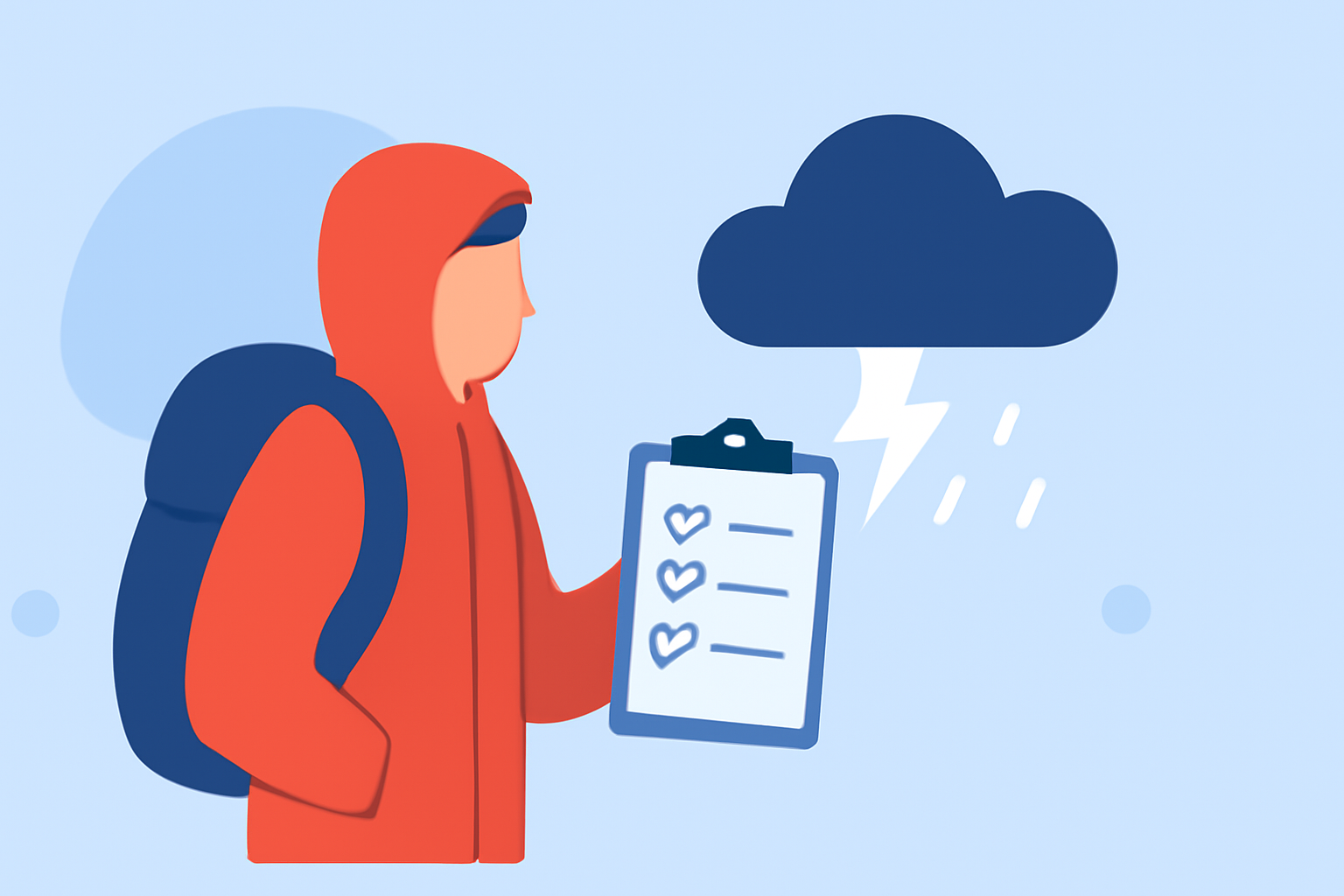
Traveling solo can be an enriching experience, but when severe weather strikes, it's crucial to prioritize safety. Here's a comprehensive checklist to help you prepare and respond effectively during adverse weather conditions.
1. Before Your Trip: Preparation is Key
-
Monitor Weather Forecasts: Regularly check weather updates for your destination. Utilize reliable sources to stay informed about potential severe weather events.
-
Create an Emergency Kit: Pack essentials such as water, non-perishable food, a flashlight, spare batteries, a first aid kit, and any necessary medications.
-
Inform Someone of Your Itinerary: Share your travel plans, including routes and accommodations, with a trusted friend or family member.
-
Download Weather Apps: Install apps that provide real-time weather updates and severe weather alerts.
2. During Your Trip: Stay Vigilant and Responsive
-
Stay Indoors During Severe Weather: Seek shelter in a sturdy building or vehicle when severe weather is imminent. Avoid windows and doors.
-
Avoid Water Activities: If you're near bodies of water, refrain from swimming or boating during storms, as lightning can strike water.
-
Stay Away from Isolated Trees: Seek shelter in a forested area if possible, as isolated trees can attract lightning.
-
Limit Use of Electrical Appliances: During thunderstorms, avoid using wired telephones, plugged-in electrical appliances, or running water to reduce the risk of lightning strikes.
-
Stay Informed: Keep your weather apps active and monitor local news for updates on weather conditions.
3. After Severe Weather: Assess and Proceed with Caution
-
Wait for Official All-Clear Signals: Do not resume normal activities until authorities confirm it's safe.
-
Check for Hazards: Be alert for downed power lines, flooded areas, or structural damage.
-
Avoid Flooded Areas: Do not drive through flooded roads, as water depth can be deceptive, and currents can be strong.
-
Document Damage: If your property is affected, take photos for insurance purposes.
4. Utilizing Technology for Enhanced Safety
Leveraging technology can significantly enhance your safety during severe weather:
-
Weather Apps: Use apps that provide real-time updates and alerts for your location.
-
GPS Navigation: Utilize GPS devices or apps to navigate safely, especially when avoiding flooded or hazardous areas.
-
Communication Devices: Ensure your mobile device is fully charged and consider carrying a portable charger.
5. Additional Tips for Solo Travelers
-
Stay Connected: Regularly check in with someone you trust to inform them of your status.
-
Know Emergency Contacts: Familiarize yourself with local emergency numbers and the locations of nearby hospitals or shelters.
-
Trust Your Instincts: If a situation feels unsafe, seek shelter immediately and reassess your plans.
By adhering to this checklist, solo travelers can navigate severe weather conditions with greater confidence and safety. Always prioritize your well-being and make informed decisions based on current weather information.
(weather.gov)