
Essential Weather Safety Tips for Beginner Hikers at Outdoor Events
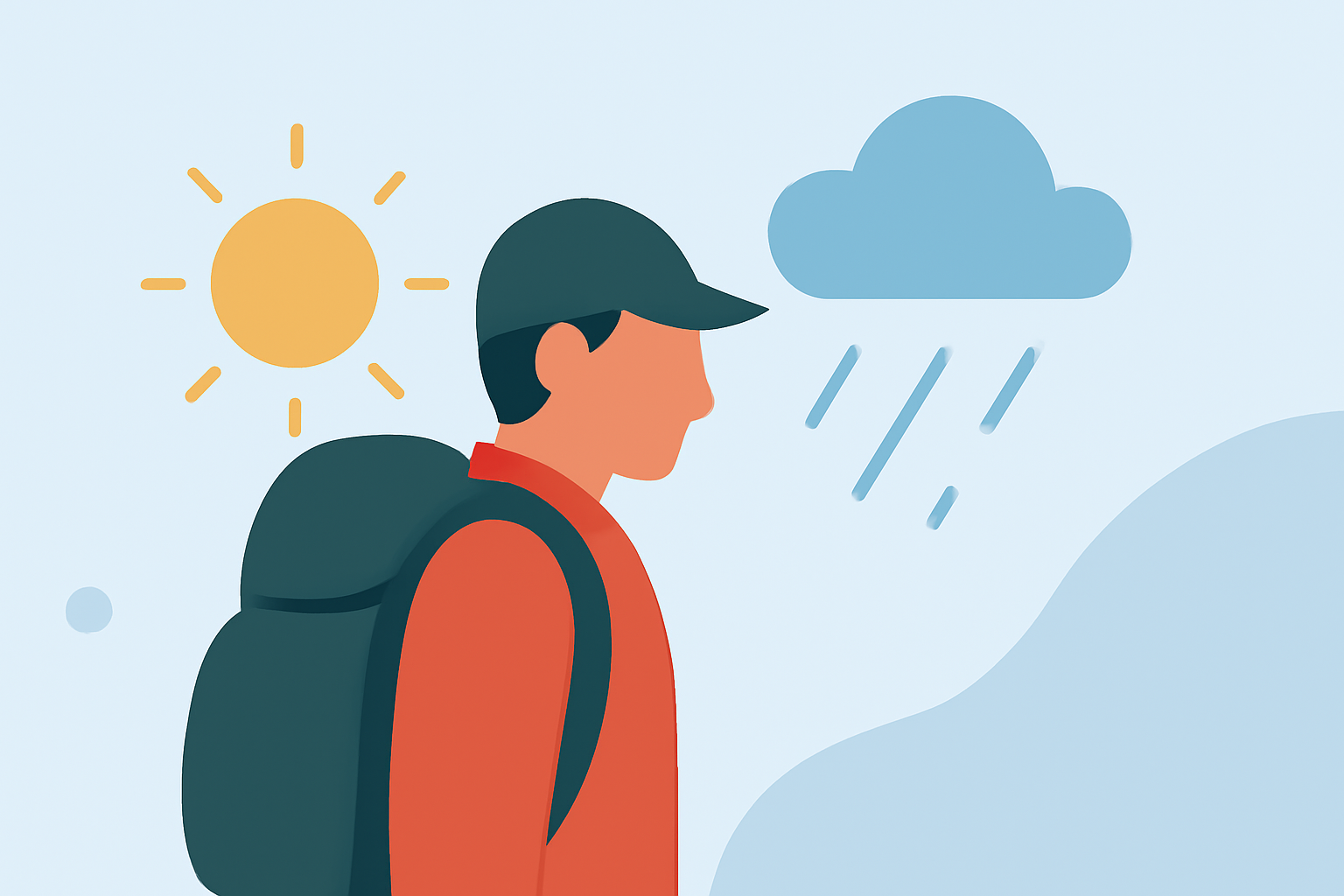
Embarking on a hiking trip or participating in an outdoor event is an exciting way to connect with nature. However, unpredictable weather can pose significant challenges, especially for beginners. Understanding how to prepare for various weather conditions is crucial for a safe and enjoyable experience.
Why is Weather Preparation Crucial for Hikers?
Weather conditions can change rapidly, impacting trail conditions, visibility, and overall safety. For instance, sudden thunderstorms can lead to flash floods, while extreme heat can cause dehydration and heat-related illnesses. Being prepared allows hikers to make informed decisions, avoid hazardous situations, and respond effectively to changing conditions.
How Can I Stay Informed About Weather Conditions?
Before setting out, always check the local weather forecast for your hiking area. Reliable sources include the National Weather Service and local park websites. Additionally, consider subscribing to weather alerts or using weather apps that provide real-time updates. This proactive approach helps in planning and adjusting your itinerary as needed.
What Should I Do if I Encounter a Thunderstorm?
Thunderstorms can develop quickly, bringing lightning, heavy rain, and strong winds. If you hear thunder or see darkening skies, seek shelter immediately. Avoid tall trees, open fields, and water bodies. If caught in an open area, crouch low with your feet together to minimize the risk of lightning strikes. Remember, the safest place during a thunderstorm is inside a substantial building or vehicle. (nps.gov)
How Can I Protect Myself from Extreme Heat?
High temperatures can lead to heat exhaustion or heat stroke. To mitigate these risks:
- Stay Hydrated: Drink water regularly, even if you don't feel thirsty.
- Wear Appropriate Clothing: Choose lightweight, light-colored, and moisture-wicking fabrics.
- Use Sun Protection: Apply sunscreen, wear a wide-brimmed hat, and use sunglasses to protect against UV rays.
- Take Regular Breaks: Rest in shaded areas to cool down and prevent overheating.
What Are the Risks of Flash Floods, and How Can I Avoid Them?
Flash floods can occur with little warning, especially in mountainous regions. To stay safe:
- Avoid Low-Lying Areas: Do not camp or hike in valleys or near streams that can quickly rise during heavy rainfall.
- Stay Alert: Watch for signs of rising water and be prepared to move to higher ground if necessary.
- Check Weather Forecasts: Be aware of potential storms upstream that could lead to sudden flooding. (weather.gov)
How Can I Prepare for Cold Weather Conditions?
Cold temperatures can lead to hypothermia if not properly managed. To prepare:
- Layer Your Clothing: Use moisture-wicking base layers, insulating mid-layers, and waterproof outer layers.
- Protect Extremities: Wear insulated gloves, hats, and thermal socks to retain body heat.
- Stay Dry: Wet clothing can increase heat loss; avoid getting wet from rain or sweat. (ucihealth.org)
What Are the Ten Essentials Every Hiker Should Carry?
Regardless of the weather, always pack the following items:
- Navigation Tools: Map, compass, or GPS device.
- Sun Protection: Sunglasses, sunscreen, and hat.
- Insulation: Extra clothing layers suitable for the conditions.
- Illumination: Headlamp or flashlight with extra batteries.
- First-Aid Kit: Basic supplies for minor injuries.
- Fire: Waterproof matches or lighter.
- Repair Kit and Tools: For equipment fixes.
- Nutrition: Extra food beyond the expected duration.
- Hydration: Sufficient water and means to purify more.
- Emergency Shelter: Tent, tarp, or space blanket. (nps.gov)
How Can I Learn More About Hiking Safety?
Participating in workshops or courses can enhance your hiking skills and safety awareness. For example, the Bronx River Alliance offers workshops covering essential gear, trail etiquette, and safety awareness, including hands-on practice during guided hikes suitable for beginners. (bronxriver.org)
By understanding and preparing for various weather conditions, you can ensure a safer and more enjoyable hiking experience. Always prioritize safety, stay informed, and be ready to adapt to changing conditions.
Highlights:
- Hiking Safety - Mount Rainier National Park (U.S. National Park Service), Published on Monday, August 26
- Outdoor Activities: Flooding Safety and Preparedness
- Trail Safety - Sequoia & Kings Canyon National Parks (U.S. National Park Service), Published on Sunday, March 15