
Weather Safety Tips for Beginner Hikers in the United States
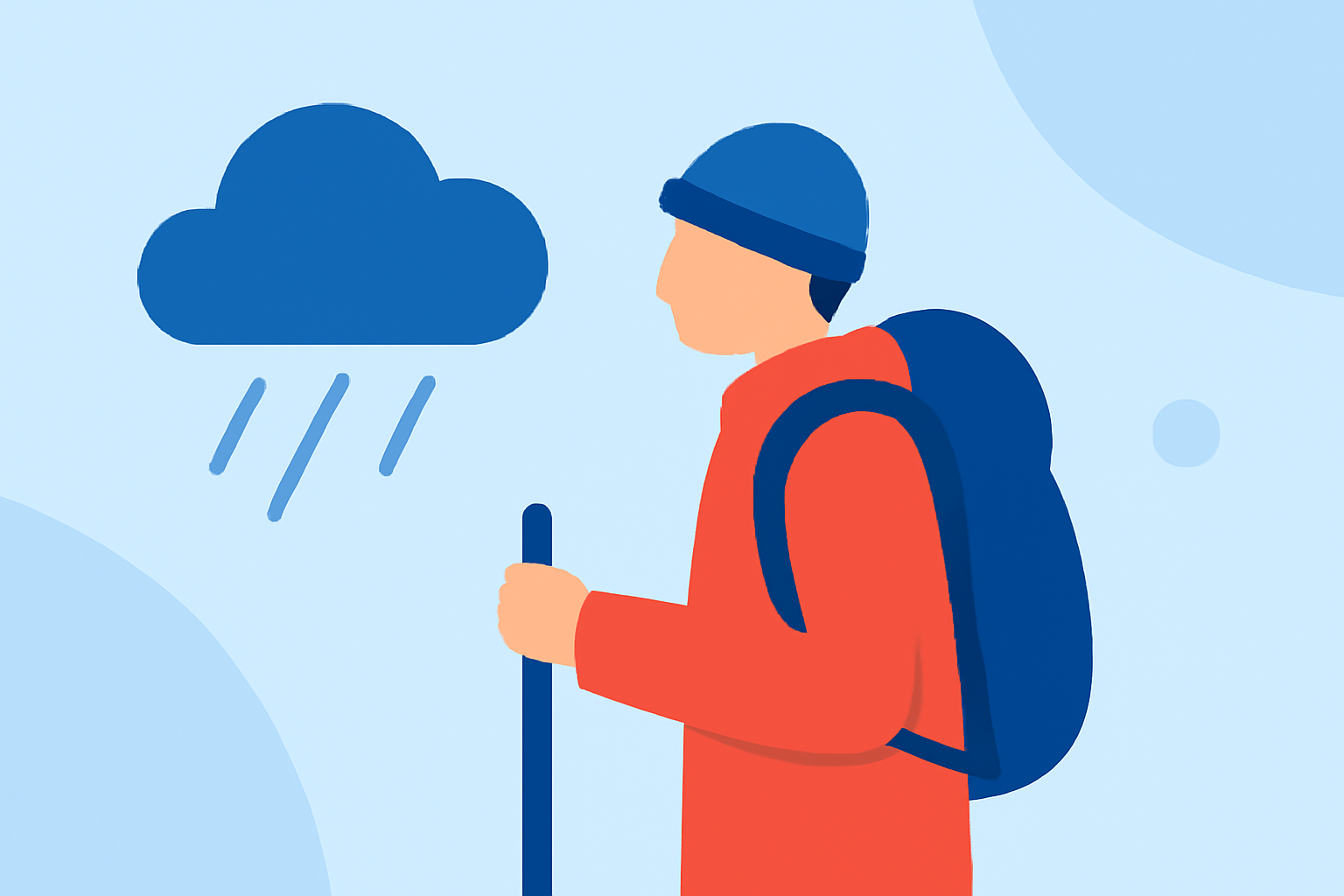
Embarking on a hiking adventure is an exciting way to connect with nature, but understanding and preparing for weather conditions is crucial, especially for beginners. This guide provides essential weather safety tips to ensure a safe and enjoyable hiking experience in the United States.
1. Why is Weather Awareness Crucial for Hikers?
Weather conditions can change rapidly, posing significant risks such as sudden storms, temperature fluctuations, and reduced visibility. Being aware of the weather helps hikers make informed decisions, avoid hazardous situations, and enhance their overall safety.
2. How Can I Stay Informed About Weather Conditions?
Before setting out, always check the local weather forecast for your hiking area. Reliable sources include the National Weather Service and local park websites. Additionally, consider downloading weather apps that provide real-time updates and alerts.
3. What Are the Risks of Sudden Weather Changes?
Sudden weather changes can lead to:
-
Thunderstorms and Lightning: Rapidly developing storms can bring lightning, heavy rain, and strong winds. Lightning poses a severe risk, as it can strike without warning.
-
Flash Floods: Heavy rainfall can cause streams and rivers to rise quickly, leading to flash floods. Always be cautious near water bodies during or after rain.
-
Temperature Extremes: Unexpected heat or cold can lead to heat-related illnesses or hypothermia.
4. How Can I Prepare for Changing Weather Conditions?
-
Check the Forecast: Always review the weather forecast before your hike. Be aware of any approaching weather systems and avoid ridgetops during thunderstorms. (nps.gov)
-
Carry Appropriate Gear: Pack rain gear, extra layers, and sun protection.
-
Plan Your Hike Timing: Start early to avoid afternoon storms, especially in summer months.
-
Stay on Designated Trails: This helps prevent getting lost and reduces the risk of encountering hazardous terrain. (nps.gov)
5. What Should I Do if I Encounter a Thunderstorm?
-
Seek Shelter Immediately: If you hear thunder or see lightning, find shelter in a substantial building or hard-topped vehicle.
-
Avoid High Ground and Isolated Trees: Lightning tends to strike the tallest objects.
-
Descend to Lower Elevations: If caught above treeline, descend as quickly and safely as possible.
6. How Can I Recognize and Avoid Flash Floods?
-
Stay Informed: Be aware of weather forecasts indicating heavy rainfall.
-
Avoid Water Crossings: Do not attempt to cross streams or rivers during or after heavy rain.
-
Choose Safe Campsites: Avoid setting up camp near water bodies or in low-lying areas prone to flooding.
7. What Are the Signs of Heat-Related Illnesses, and How Can I Prevent Them?
-
Recognize Symptoms: Signs include heavy sweating, weakness, dizziness, nausea, and headaches.
-
Preventive Measures: Stay hydrated by drinking plenty of water, wear lightweight and breathable clothing, and take regular breaks in the shade. (nps.gov)
8. How Can I Stay Safe in Cold and Wet Conditions?
-
Dress in Layers: Use moisture-wicking base layers, insulating mid-layers, and waterproof outer layers.
-
Stay Dry: Avoid cotton, as it retains moisture.
-
Monitor for Hypothermia: Symptoms include shivering, confusion, and slurred speech. If these occur, seek shelter and warmth immediately. (nps.gov)
9. How Can I Ensure My Safety During My Hike?
-
Inform Someone of Your Plans: Share your itinerary and expected return time with a friend or family member.
-
Carry a Map and Compass: Even if you plan to use a GPS device, having a physical map is essential in case of technical issues.
-
Stay Alert: Continuously monitor weather conditions and be prepared to adjust your plans accordingly.
By understanding and preparing for potential weather hazards, beginner hikers can significantly reduce risks and enjoy a safe and rewarding outdoor experience.
Highlights:
- Weather Dangers - Grand Canyon National Park (U.S. National Park Service)
- Safety - Crater Lake National Park (U.S. National Park Service), Published on Sunday, September 18
- Safety - Grand Canyon National Park (U.S. National Park Service), Published on Monday, March 24