
Essential Weather Safety Tips for Kayaking During Severe Conditions
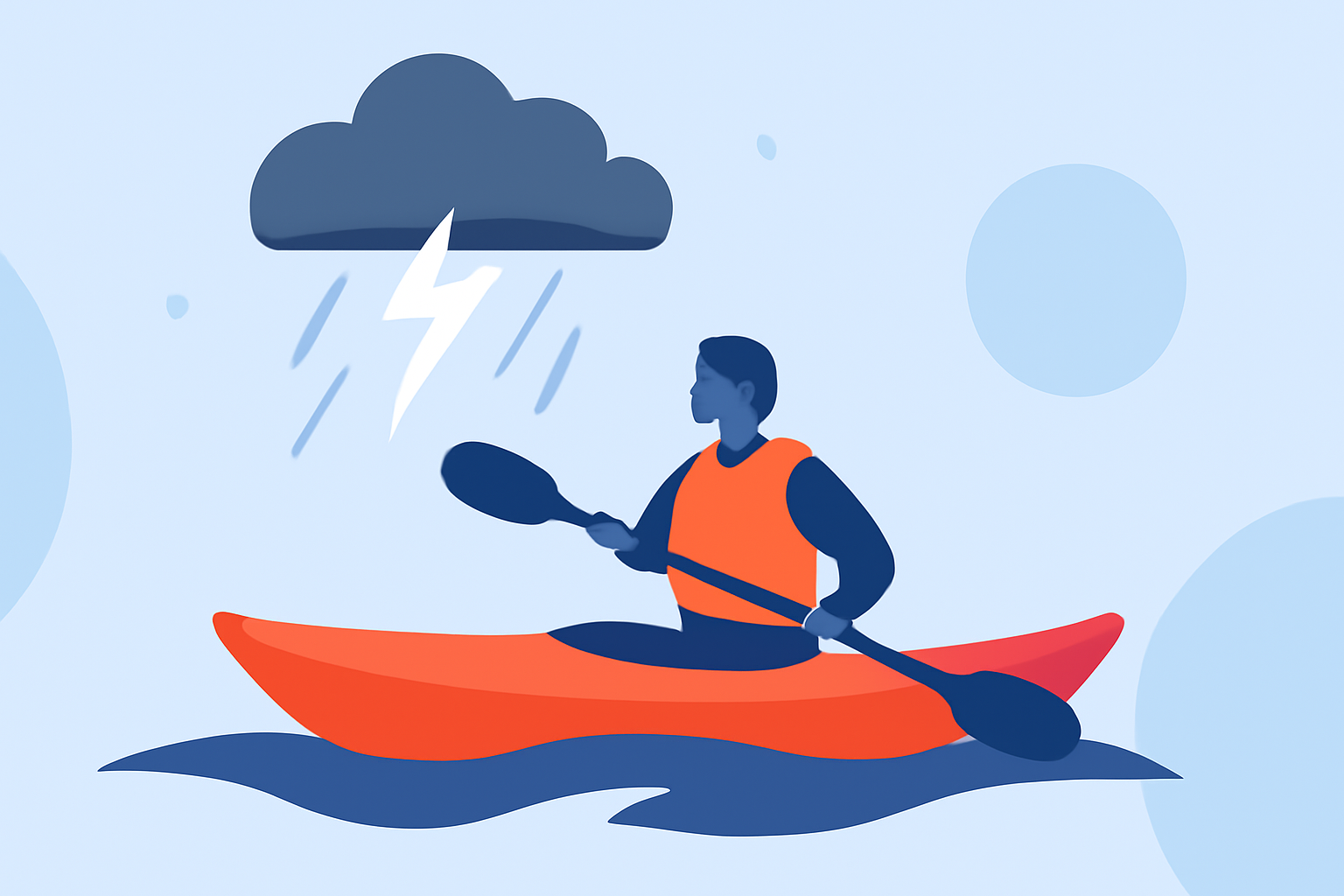
Embarking on a kayaking adventure can be exhilarating, but when severe weather looms, safety must be your top priority. Understanding how to assess and respond to adverse weather conditions is crucial for a safe and enjoyable experience on the water.
What Are the Key Weather Hazards for Kayakers?
Kayakers should be vigilant about several weather-related hazards:
-
High Winds: Winds exceeding 15 mph can create large waves, making navigation challenging and increasing the risk of capsizing. (aquabound.com)
-
Thunderstorms and Lightning: These storms can produce strong winds, heavy rain, and lightning, all of which pose significant dangers to paddlers. (kayakscout.com)
-
Fog and Reduced Visibility: Fog can disorient paddlers and make it difficult for other boaters to see you, increasing the risk of collisions. (aquabound.com)
-
Cold Water Temperatures: Cold water can cause hypothermia quickly, even if the air temperature is warm. (horizonsadventures.ca)
How Can You Prepare for Severe Weather While Kayaking?
Preparation is key to ensuring safety during adverse weather conditions:
-
Monitor Weather Forecasts: Regularly check local weather updates, including wind speeds, storm warnings, and temperature changes. (rei.com)
-
Assess Your Skill Level: Be honest about your abilities and avoid conditions that exceed your experience. (rei.com)
-
Plan Your Route: Choose routes that offer shelter and have accessible exit points in case conditions worsen.
-
Inform Others: Share your trip details with someone on land, including your planned route and expected return time.
What Should You Do if Severe Weather Strikes While Kayaking?
If you find yourself caught in severe weather:
-
Seek Shelter Immediately: Head to the nearest shore or sheltered area as quickly as possible.
-
Stay Low and Centered: Keep your body low and centered in the kayak to maintain stability. (boat-ed.com)
-
Avoid Metal Objects: If lightning is present, stay clear of metal objects, including paddles and fishing gear. (boat-ed.com)
-
Use a Bilge Pump: If your kayak has a bilge pump, be prepared to use it to remove any water that enters the boat. (boat-ed.com)
How Can You Enhance Your Safety During Severe Weather?
-
Wear Appropriate Gear: Always wear a properly secured, USCG-approved life jacket. (boat-ed.com)
-
Dress for Immersion: Wear clothing suitable for immersion in cold water to prevent hypothermia. (rei.com)
-
Stay Informed: Keep a weather radio or smartphone app handy to receive real-time updates.
How Can Clime Assist in Your Kayaking Adventures?
Clime offers real-time weather updates and forecasts, helping you plan your kayaking trips with confidence. By providing accurate and timely information, Clime ensures you're always prepared for changing weather conditions, enhancing your safety and enjoyment on the water.
By understanding and preparing for severe weather conditions, you can ensure a safer and more enjoyable kayaking experience. Always prioritize safety and make informed decisions based on current weather information.