
Essential Weather Safety Tips for Outdoor Pilates
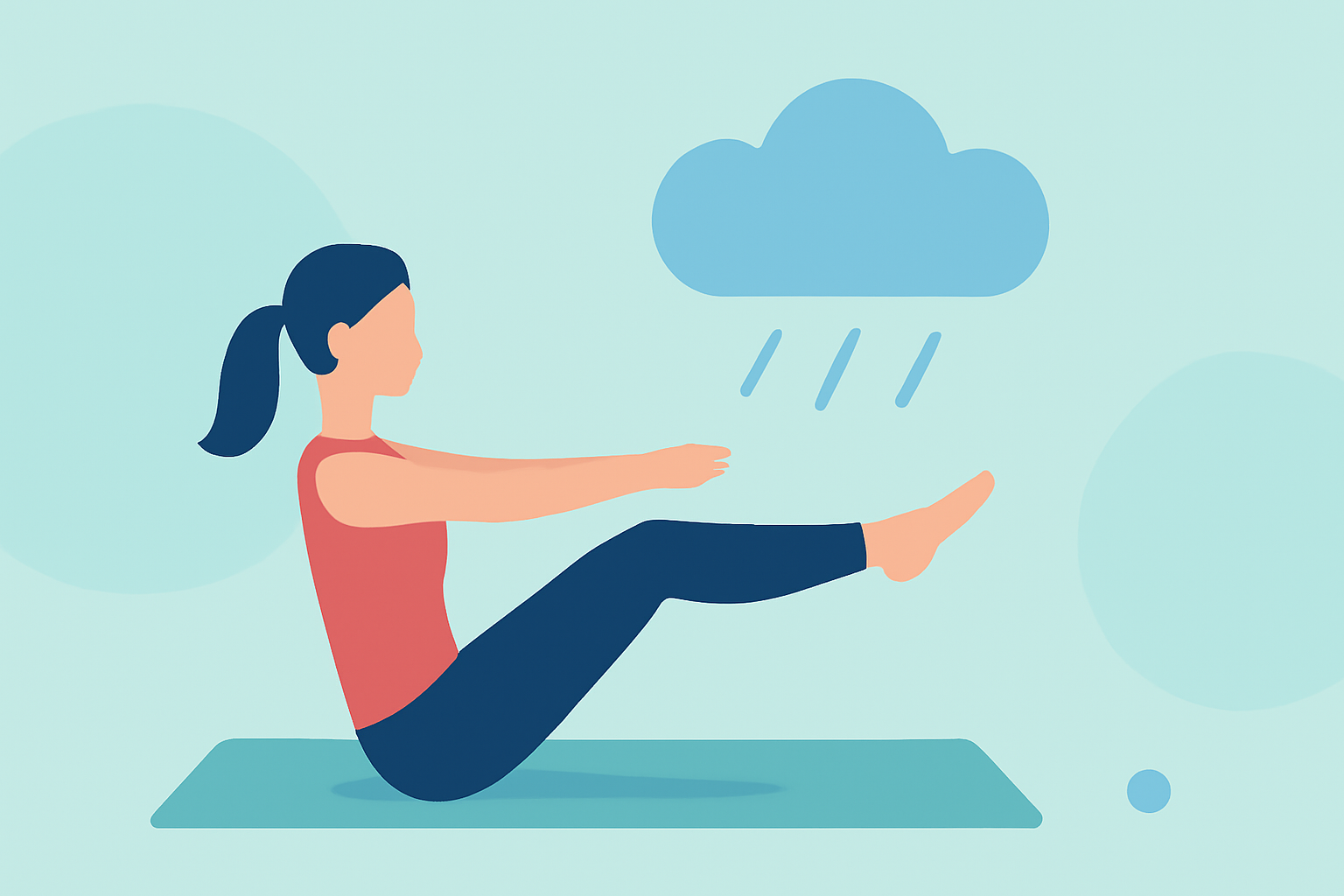
Practicing Pilates outdoors offers a refreshing change from indoor routines, allowing you to connect with nature and enjoy fresh air. However, to ensure a safe and effective session, it's crucial to consider the weather conditions and prepare accordingly. This guide provides essential tips for practicing outdoor Pilates safely, with a focus on utilizing Clime's weather insights to enhance your experience.
1. Why is Checking the Weather Important for Outdoor Pilates?
Before heading outside, always check the weather forecast. Extreme temperatures, high winds, or unexpected precipitation can pose risks during your workout. For instance, exercising in high heat combined with humidity can increase the risk of heat-related illnesses. Conversely, cold temperatures can lead to hypothermia if precautions aren't taken. Clime's weather insights provide real-time updates on temperature, humidity, wind speed, and precipitation, helping you make informed decisions about your workout plans.
2. How Should You Dress for Outdoor Pilates?
Dressing appropriately is key to comfort and safety:
-
Layer Up: Wear moisture-wicking base layers to keep sweat away from your skin, insulating layers for warmth, and a waterproof outer layer if rain is expected.
-
Protect Extremities: Wear hats, gloves, and thermal socks to shield your hands, feet, and head from cold.
-
Sun Protection: Even on cloudy days, UV rays can cause skin damage. Apply broad-spectrum sunscreen, wear UV-protective clothing, and consider sunglasses to protect your eyes.
3. What Are the Best Surfaces for Outdoor Pilates?
Choosing the right surface enhances stability and reduces injury risk:
-
Smooth and Stable: Opt for flat, even surfaces like paved paths, wooden decks, or interlocking gym tiles designed for outdoor use.
-
Avoid Uneven Terrain: Steer clear of areas with uneven ground, such as grassy fields or sandy beaches, which can increase the risk of slips and strains.
4. How Can You Stay Hydrated and Energized?
Maintaining hydration and energy levels is vital:
-
Hydrate: Drink water before, during, and after your workout to prevent dehydration.
-
Snacks: For longer sessions, consider bringing a light snack, like a piece of fruit or a granola bar, to maintain energy levels.
5. What Should You Do if Weather Conditions Change Suddenly?
Always be prepared for unexpected weather changes:
-
Monitor Conditions: Use Clime's weather insights to stay updated on changing conditions during your workout.
-
Seek Shelter: If you notice signs of severe weather, such as darkening skies or sudden temperature drops, find shelter immediately.
-
Lightning Safety: If you hear thunder or see lightning, seek shelter indoors or in a vehicle. Wait at least 30 minutes after the last thunder before resuming your workout.
6. How Can Clime Enhance Your Outdoor Pilates Experience?
Clime offers detailed weather forecasts, including temperature, humidity, wind speed, and precipitation, tailored to your location. By integrating Clime's insights into your planning, you can choose the optimal time and place for your outdoor Pilates sessions, ensuring safety and comfort.
7. What Are Some Additional Tips for Outdoor Pilates?
-
Warm-Up and Cool Down: Always perform a proper warm-up before starting and a cool-down after finishing your session to prevent injuries.
-
Stay Visible: If exercising in low-light conditions, wear reflective gear to ensure you're seen by others.
-
Be Aware of Surroundings: Stay alert to your environment, including potential hazards like uneven ground, traffic, or wildlife.
By considering these factors and utilizing Clime's weather insights, you can enjoy safe and effective outdoor Pilates sessions tailored to your local conditions.