
Essential Weather Safety Tips for Outdoor Walkers
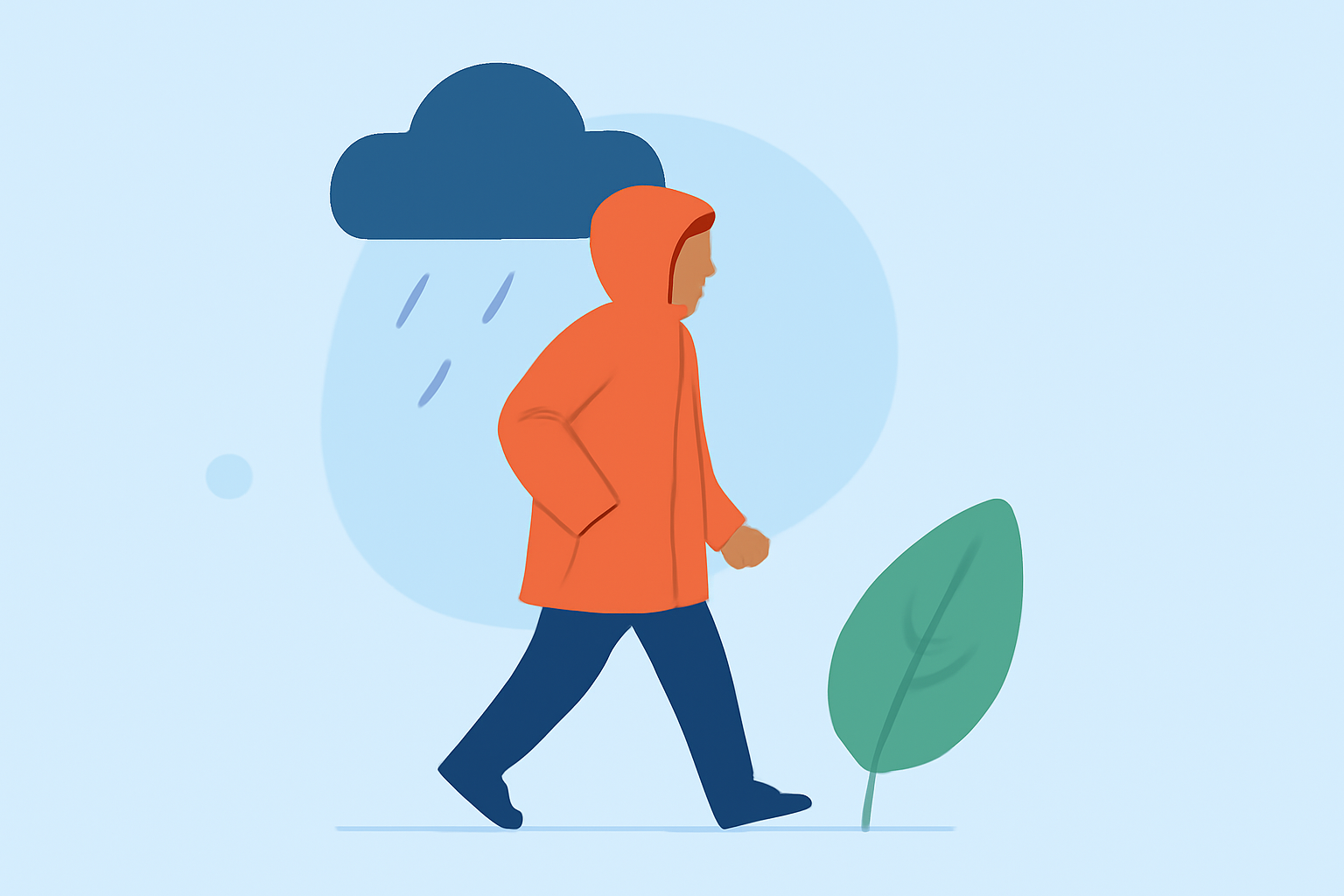
Embarking on an outdoor walk offers numerous health benefits, but it's crucial to be aware of weather conditions to ensure your safety. Adverse weather can pose significant risks, including heat-related illnesses, lightning strikes, and cold-related injuries. By staying informed and prepared, you can enjoy your walks safely, regardless of the season.
Understanding Weather-Related Risks
Heat-Related Illnesses
Walking in hot and humid conditions can lead to heat-related illnesses such as heat exhaustion and heat stroke. Symptoms include dizziness, rapid heartbeat, nausea, and confusion. To prevent these conditions, it's essential to stay hydrated, wear appropriate clothing, and avoid walking during peak heat hours. (weather.gov)
Lightning Strikes
Lightning poses a severe risk during thunderstorms. If you hear thunder, it's advisable to seek shelter immediately, as lightning can strike several miles away from the storm. Avoid open fields, tall trees, and bodies of water during a thunderstorm. (weather.gov)
Cold-Related Injuries
Exposure to cold temperatures can result in frostbite and hypothermia. Dressing in layers, covering exposed skin, and limiting time outdoors during extreme cold can help mitigate these risks. (weather.gov)
Flooding Hazards
Heavy rainfall can lead to flash floods, which can be life-threatening. Avoid walking near streams or in low-lying areas during heavy rains, as water levels can rise rapidly. (weather.gov)
Preventive Measures for Safe Walking
Stay Informed
Before heading out, check the local weather forecast for your area. Being aware of potential weather changes can help you plan your walk accordingly.
Dress Appropriately
Wear suitable clothing for the weather conditions. In hot weather, opt for light-colored, loose-fitting clothes, and in cold weather, layer up to retain body heat.
Carry Essential Gear
Bring water to stay hydrated, especially in warm conditions. Consider carrying a whistle or flashlight for emergencies.
Choose Safe Routes
Select walking paths that are away from potential hazards like bodies of water or areas prone to flooding.
Know When to Seek Shelter
If you encounter sudden adverse weather, such as a thunderstorm, seek shelter immediately. Avoid standing under trees or near water during storms.
Utilizing Clime for Enhanced Safety
Clime offers real-time weather updates and alerts, allowing you to monitor conditions and receive timely notifications about severe weather events. By integrating Clime into your walking routine, you can make informed decisions and adjust your plans to ensure safety.
Conclusion
Being aware of weather conditions and taking appropriate precautions are vital for safe outdoor walking. By staying informed, dressing appropriately, and utilizing tools like Clime, you can enjoy your walks while minimizing weather-related risks.
Highlights:
- Outdoor Safety
- Outdoor Activities: Heat Safety and Preparedness
- National Weather Service - basic lightning safety rules