
Weather-Smart Commuting: Essential Tips for Safe and Efficient Travel
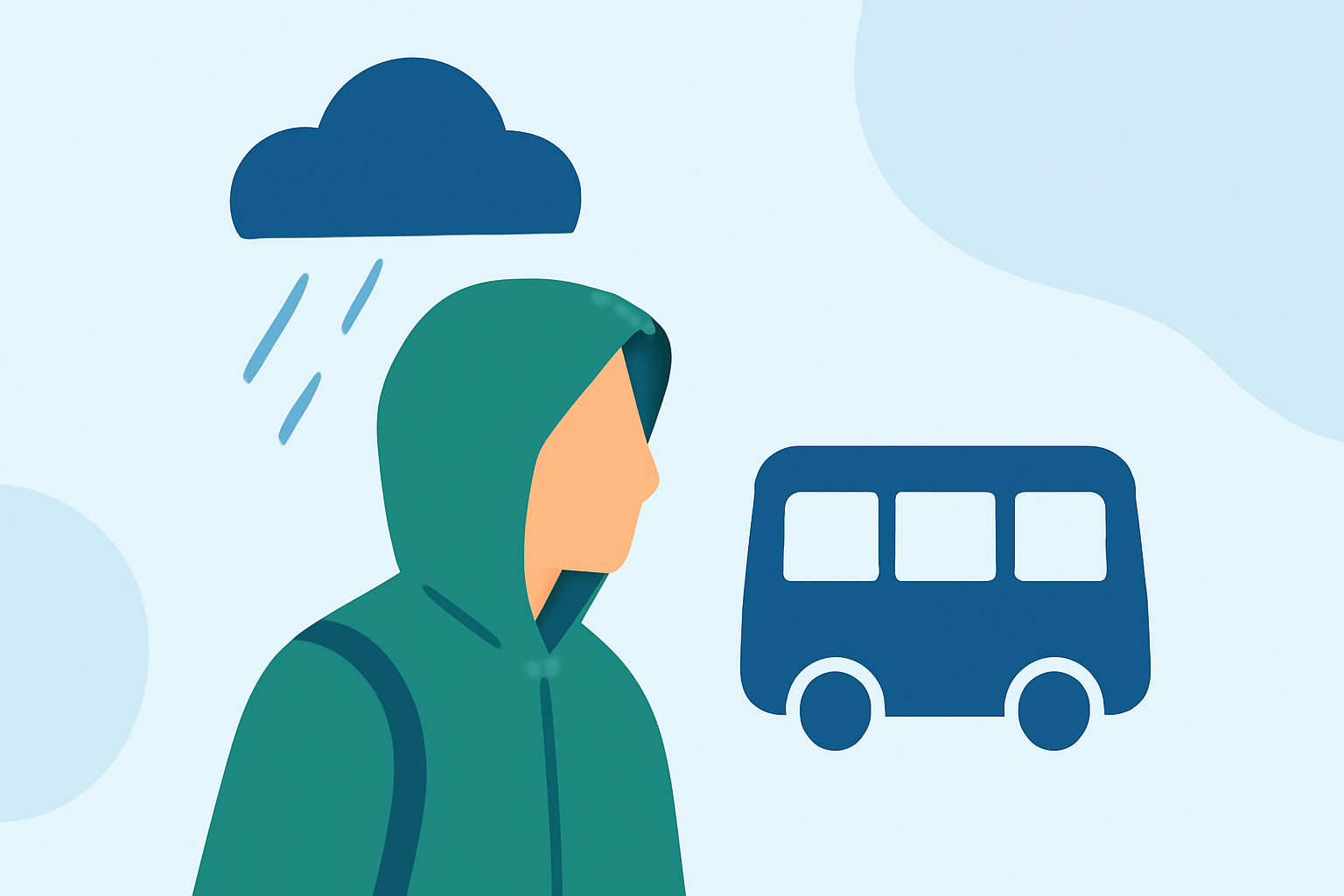
Commuting exposes you to diverse weather conditions that can impact your safety and efficiency. Understanding how to adapt to these conditions is crucial for a smooth journey. Here are essential tips to help you commute safely, regardless of the weather.
1. How Does Weather Affect My Commute?
Weather conditions can significantly influence your daily travel. Rain, snow, fog, and extreme temperatures can create hazards such as slippery roads, reduced visibility, and increased travel times. Being aware of these factors allows you to take proactive measures to ensure safety.
2. What Are the Key Weather Hazards to Watch For?
-
Rain and Wet Roads: Rain reduces tire traction, increasing stopping distances and the risk of hydroplaning. Light rain can be particularly hazardous as it mixes with road oils, creating a slippery surface. (weatherwego.com)
-
Snow and Ice: Snow and ice can make roads slick, leading to skidding and longer stopping distances. It's advisable to reduce speed and increase following distance in these conditions. (texasdrivesafe.com)
-
Fog: Fog significantly reduces visibility, making it challenging to see other vehicles and obstacles. Use low-beam headlights and maintain a safe distance from other vehicles.
-
High Winds: Strong winds can affect vehicle stability, especially for high-profile vehicles. Keep both hands on the wheel and reduce speed to maintain control.
3. How Can I Prepare for Adverse Weather Conditions?
-
Stay Informed: Check the weather forecast before leaving to anticipate any adverse conditions.
-
Vehicle Maintenance: Ensure your vehicle is in good condition, with properly inflated tires and functioning wipers.
-
Emergency Kit: Keep an emergency kit in your vehicle, including items like a flashlight, blanket, water, and non-perishable snacks.
4. What Are the Best Practices for Driving in Adverse Weather?
-
Reduce Speed: Lower your speed to match road conditions. For instance, in wet conditions, reduce your speed by 5-10 mph. (weatherwego.com)
-
Increase Following Distance: Maintain a greater distance between your vehicle and the one ahead to allow for longer stopping distances.
-
Use Headlights Wisely: In foggy conditions, use low-beam headlights to improve visibility without causing glare.
-
Avoid Sudden Movements: Make gradual steering, braking, and acceleration inputs to maintain control.
5. How Can I Stay Safe While Biking in the Rain?
-
Wear Appropriate Gear: Use waterproof clothing and gear to stay dry and warm.
-
Use Fenders: Install front and rear fenders to protect yourself from road spray.
-
Adjust Riding Style: Reduce speed and avoid sudden movements to maintain control on wet surfaces. (rei.com)
6. What Should I Do if I Encounter Flooded Roads?
-
Avoid Driving Through Water: If you encounter a flooded road, turn around and find an alternative route. Driving through water can lead to vehicle damage and is often deeper than it appears.
-
Stay Informed: Listen to local news or check online resources for updates on road conditions and closures.
7. How Can I Manage Stress During My Commute?
-
Plan Ahead: Allow extra time for your journey to reduce stress caused by unexpected delays.
-
Stay Calm: Practice relaxation techniques, such as deep breathing, to stay calm during your commute.
-
Stay Hydrated and Nourished: Keep water and healthy snacks available to maintain energy levels and reduce irritability.
By understanding the impact of weather on your commute and implementing these strategies, you can navigate various conditions safely and efficiently. Always prioritize safety and make informed decisions based on current weather conditions.
Highlights:
- WeatherWeGo - Weather-Smart Road Trip Planner
- How to Bike in the Rain Successfully | REI Expert Advice
- Tips for Driving in Adverse Weather, Published on Friday, January 11