
Understanding Weather Station Data for Gardeners
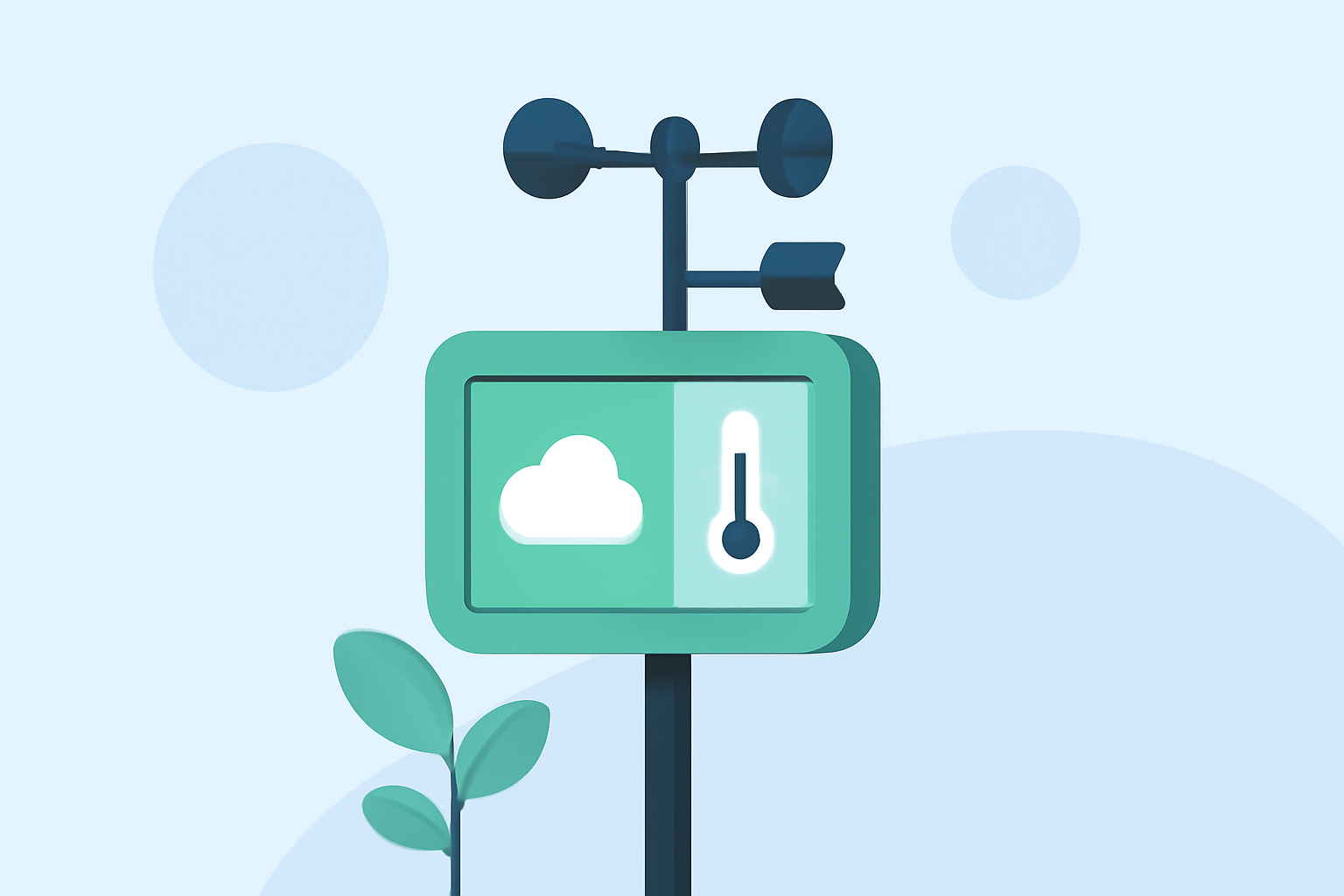
As a gardener, understanding the specific weather conditions of your local environment is crucial for optimizing plant health and yield. Traditional weather forecasts often provide generalized information that may not accurately reflect the microclimate of your garden. This is where weather station data becomes invaluable.
What Is Weather Station Data?
Weather station data refers to the collection of meteorological information from instruments installed in a specific location. These instruments measure various atmospheric parameters, including temperature, humidity, precipitation, wind speed, and atmospheric pressure. By capturing this data, gardeners can gain insights into the unique climate conditions affecting their plants.
Why Is Localized Weather Data Important for Gardening?
Plants are sensitive to microclimates—the localized atmospheric conditions within a small area. Factors such as temperature fluctuations, humidity levels, and rainfall patterns can vary significantly over short distances. By utilizing weather station data, gardeners can monitor these variables in real-time, allowing for more precise care and intervention.
How Can Weather Station Data Benefit Gardeners?
-
Optimized Planting and Harvesting: Understanding local temperature and precipitation patterns helps in selecting the right planting and harvesting times, reducing the risk of crop loss due to unexpected weather events.
-
Efficient Irrigation Management: Monitoring rainfall and soil moisture levels enables gardeners to adjust irrigation schedules, conserving water and ensuring plants receive adequate hydration.
-
Pest and Disease Control: Certain pests and diseases thrive under specific weather conditions. By analyzing weather data, gardeners can anticipate and mitigate these threats more effectively.
-
Frost Prediction: Early detection of temperature drops can alert gardeners to potential frost conditions, allowing for protective measures to safeguard sensitive plants.
How Can Gardeners Access Weather Station Data?
There are several ways to obtain localized weather data:
-
Personal Weather Stations: Installing a weather station in your garden provides direct access to real-time data. Many modern systems offer features like Wi-Fi connectivity, allowing for remote monitoring via mobile apps. For instance, some weather stations come equipped with rain gauges, UV sensors, and wind tracking capabilities, offering comprehensive insights into your garden's microclimate.
-
Online Databases and Tools: Various platforms offer access to historical and real-time weather data. For example, the National Centers for Environmental Information (NCEI) provides free access to global historical weather and climate data, including station history information. Additionally, the Local Climatological Data (LCD) reports offer concise monthly summaries of weather station measurements, which can be valuable for understanding long-term climate trends in your area. (ncei.noaa.gov)
How Does Clime Enhance Gardening with Weather Data?
Clime offers a comprehensive weather station solution tailored for gardeners. By providing accurate, localized weather data, Clime empowers gardeners to make informed decisions, leading to healthier plants and more productive harvests.
Conclusion
Incorporating weather station data into your gardening routine equips you with precise, localized information, enabling proactive care and improved plant health. Whether through personal weather stations or online resources, access to accurate weather data is a valuable tool for every gardener.